BELGRADE, Serbia (AP) — It may be out of place on a busy downtown street and it may be a bit run down, but this small mansion in central Belgrade is thriving.
Its walls crumbling and shutters closed, a 19th century house filled with period furniture is keeping a piece of the Serbian capital’s history intact even as everything around it has transformed. The house has endured on one of the city’s main thoroughfares, turning into a theater named Takovska17.
Built in 1894 by a prominent Belgrade family, the house at 17 Takovska street is listed as a protected heritage site. Located across the street from the headquarters of Serbian public broadcaster RTS, cars and trolley buses rumble by constantly.
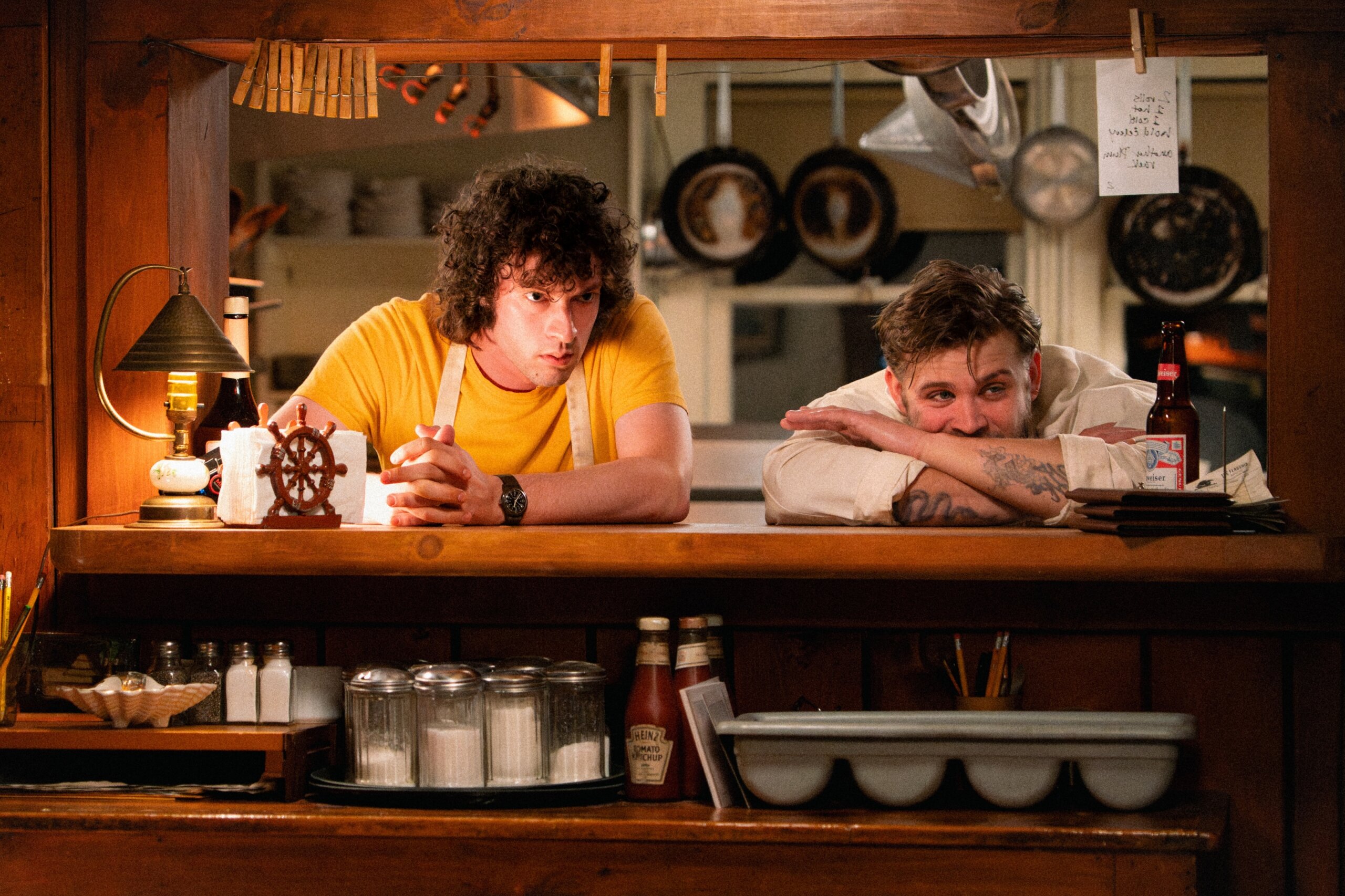
Step indoors and it could as easily be a winter afternoon in 1926. Several local theater troupes have made Takovska17 their home, staging plays from the early 20th century in front of audiences of just a few dozen people.
“This house has become a true little theater with its own repertoire,” said Isidora Ristic, who is acting in a murder mystery with the Artisti amateur troupe. “It’s become a character in our plays.”
Tamara Masic, an architect and a member of the troupe, said she is happy to see that the old house has survived in its original form.
The actors, she said, “have had the honor to breath a new life into this object and give it a new glow.”
The period atmosphere and intimate setting has been such a success that there often is a waiting list for tickets.
Inside, colors on the walls have faded with age and many decorations are hardly visible. Wooden floor boards bear the deep marks of more than a century of use, much of its decor dating back to the early 20th century.
The house “really is like a museum,” Masic said.
Elsewhere in Belgrade, scores of similar houses have been torn down by investors, wiping out entire residential neighborhoods and replacing them with multistorey buildings.
But Takovska17 “refuses to go,” its web page says. “It has been here since 1894, proud, smelling of old wood and new stories.”