Two people were killed in Ukrainian drone strikes in Russian border regions, local officials said Sunday, ahead of peace talks to end the nearly 4-year-old war in Paris this week.
Belgorod regional Gov. Vyacheslav Gladkov said one person died and two others, including a young child, were wounded when a Ukrainian drone struck a car.
Another person was killed in a drone strike on a village in the Kursk region, regional Gov. Alexander Khinshtein said Sunday.
In Ukraine, three people were wounded in the Kharkiv region in drone strikes overnight into Sunday, the country’s State Emergency Service said.
Meanwhile, the death toll from a Russian missile attack on the city of Kharkiv on Friday increased to five when body parts were found under the rubble of a building, Kharkiv Mayor Ihor Terekhov said Sunday.
The latest attacks came after national security advisers from Europe and other allies visited Kyiv on Saturday to discuss security guarantees and economic support, as a U.S.-led diplomatic push to end the war in Ukraine intensifies.
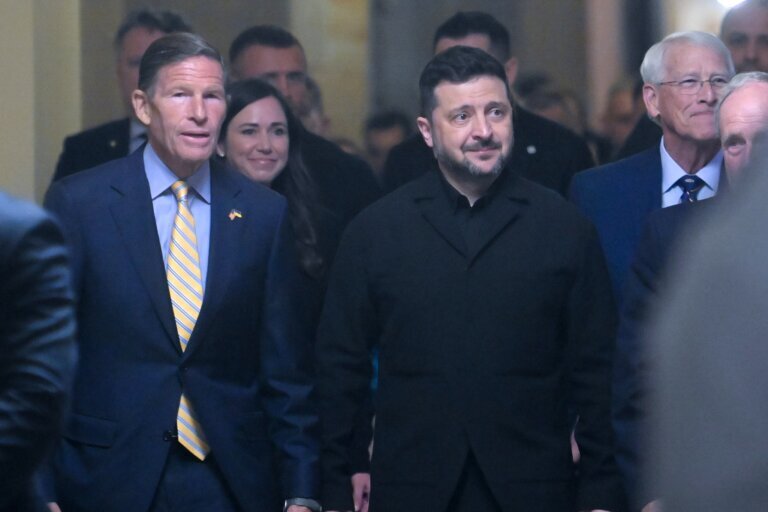
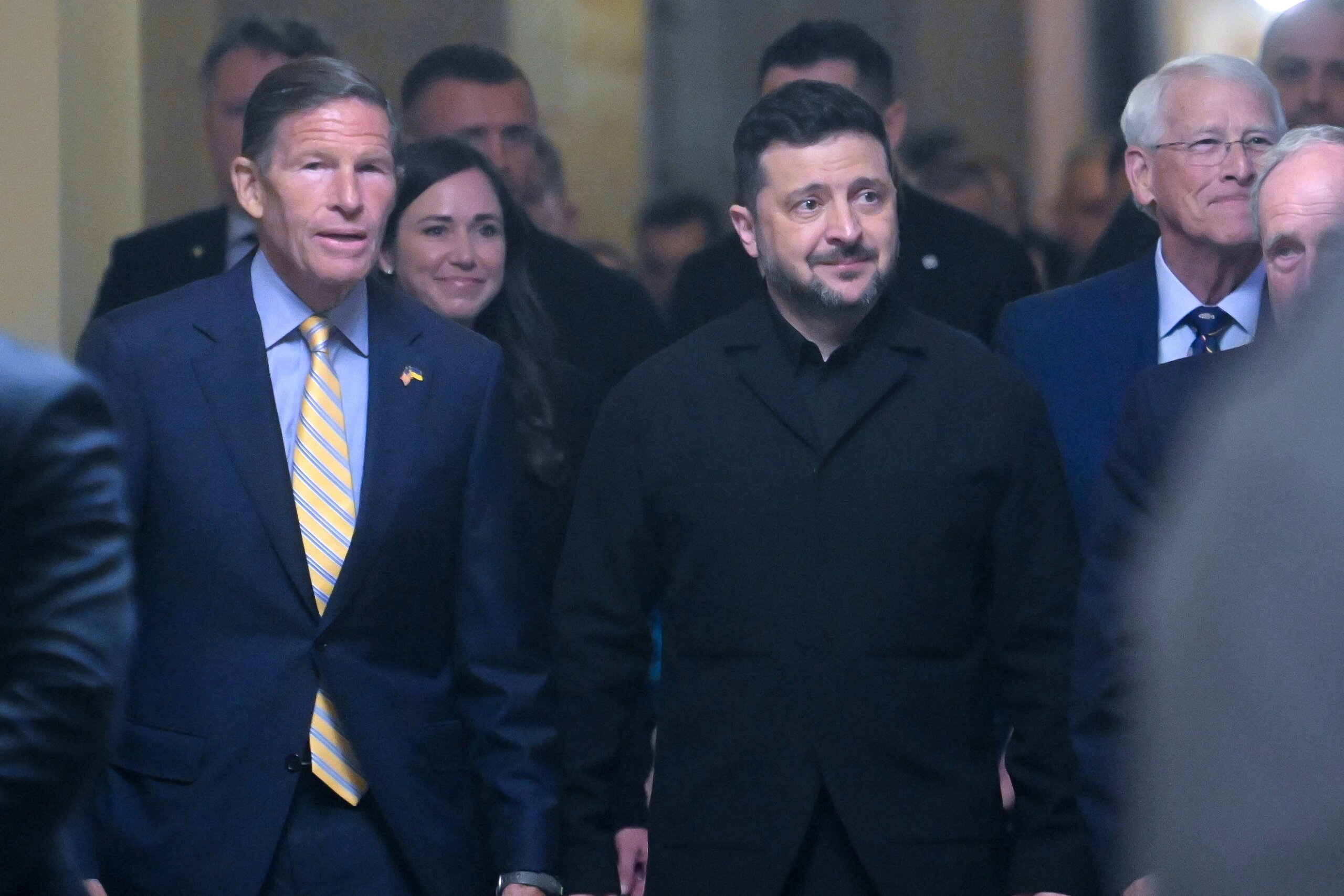
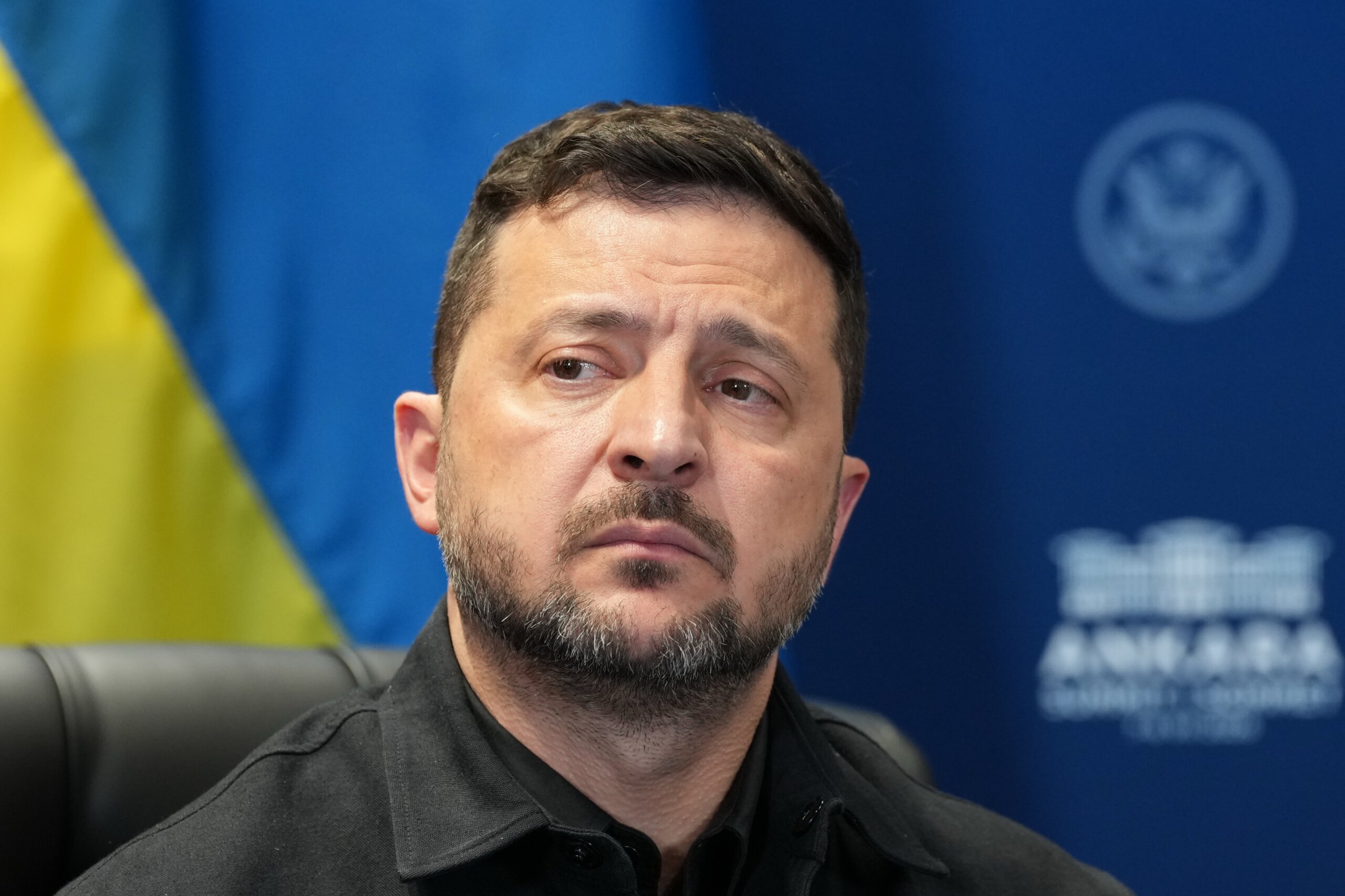
President Volodymyr Zelenskyy, preparing to travel to Paris for a meeting with partners, said Saturday that work on the peace proposals could now accelerate as Ukraine has shared all documents under discussion with the 18 national security advisers, including those on security guarantees.
He said representatives from Ukraine’s General Staff and military sector would meet on Monday in Paris, followed by a meeting Tuesday of European leaders, where he said he hoped documents on security guarantees would be finalized. He said there also would be meetings with U.S. representatives in Paris.
___
Follow AP’s coverage of the war in Ukraine at https://apnews.com/hub/russia-ukraine