As measles cases near record levels in isolated areas, the Centers for Disease Control and Prevention is urging summer camps to check for documentation of immunity through vaccination or prior infection for all children.
“I think there has been increased concerns about potential for additional outbreaks and spread, especially in the setting of waning or lowering rates of immunizations,” said Dr. Alexandra Yonts, a pediatric infectious diseases physician and assistant professor of pediatrics at Children’s National Hospital. “Nine out of every 10 folks who are unimmunized will get measles when exposed to someone who is actively ill.”
In a release, the CDC said measles can spread quickly because campers and staff spend a lot of time in close proximity to each other.
“In sleepaway camps, you have lots of children in very close contact, pretty much constantly,” Yonts said. “You likely have kids on buses together, spending lots of time face to face. And for something like measles, that is extremely contagious.”
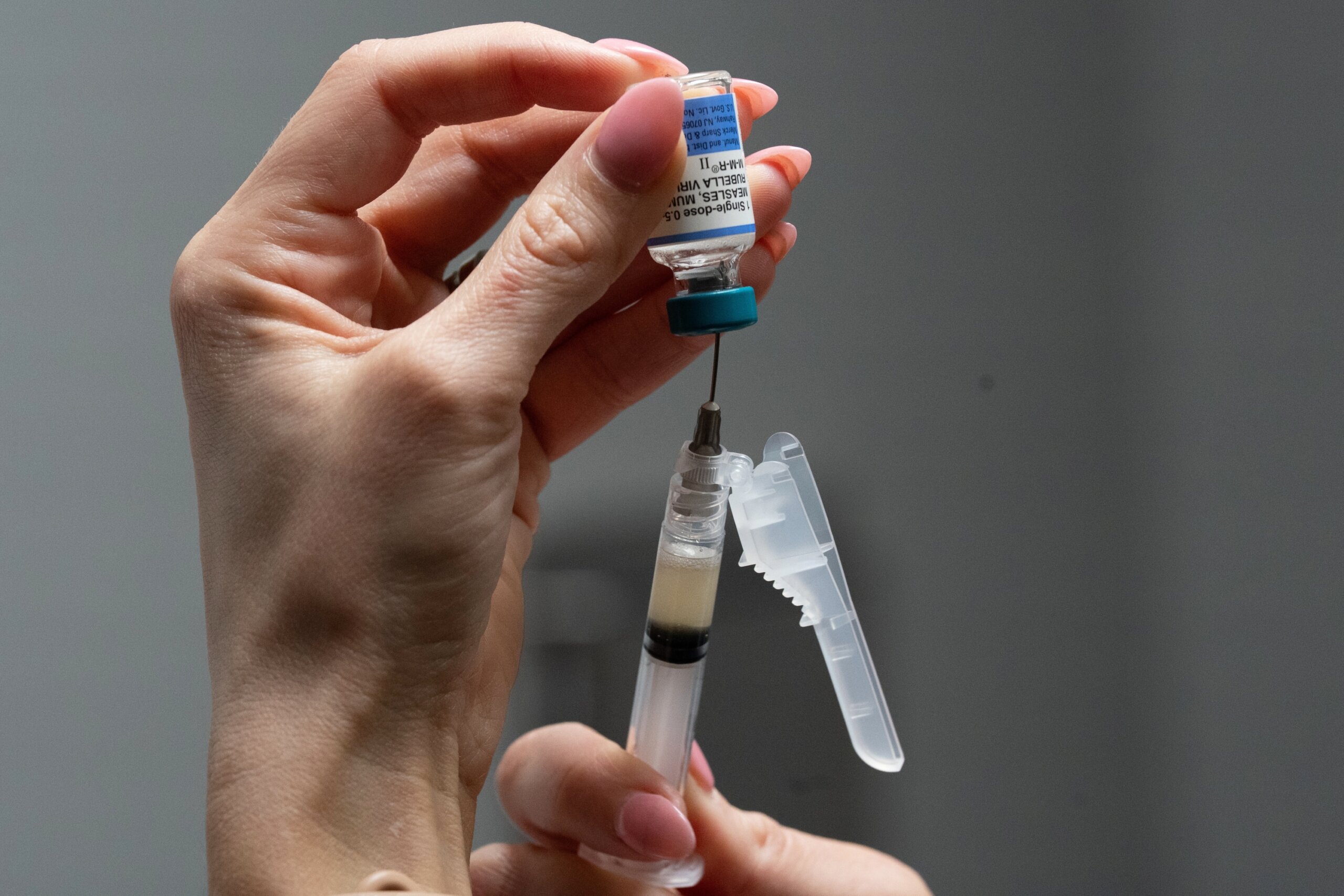
The CDC encouraged camps to maintain documentation of measles immunity status for all campers, staff and volunteers, including anyone with medical or other exemptions from vaccination. This information would help the health department identify people who are not immune to measles, so that they can be offered post-exposure prophylaxis.
Which children are at risk?
Yonts said a child who has received the recommended two doses of the measles vaccine, and is otherwise healthy, with no immunocompromising conditions or treatments, is “considered protected and there’s really nothing else to do, other than watch those children and have them stay home if they do develop fever and a rash,” or other measles symptoms.
However, for a child who hasn’t been vaccinated, “they are at much higher risk of getting sick, they need to have a higher level of suspicion, and may qualify for treatments such as immunoglobulin, in the case of exposure,” Yonts said.
The CDC’s recommendations include communicating state, local and/or camp vaccine requirements to campers, parents and staff before the camp session begins.
“Immunity is something that’s required in schools during the year, so, frankly, it just makes sense that summer camps should also want the same level of protection,” Yonts said.