National Symphony Orchestra musicians strike ends on high note with new labor agreement with Kennedy Center

Musicians from the National Symphony Orchestra and the Kennedy Center have reached a tentative labor agreement, ending a brief strike in D.C. on Friday that threatened the cancellation of some performances. The new 18-month contract, valued at $1.8 million, will increase wages by 4% in the first year and 4% in year 2, with negotiations to start in early 2026, the Kennedy Center said in a statement later Friday. “The new contract will bring the base salary for musicians to $165,268 in year 1 and $171,879 in year 2,” the statement said. “The NSO musicians will retain their position as one of the highest compensated orchestras in the country.” The Kennedy Center in a statement earlier Friday said along with the NSO, they put forward a “competitive, 4-year growth contract,” and the musicians were “among the highest compensated orchestras in the country.” Meanwhile, dozens of musicians wore matching cherry-red shirts, stood outside of the venue Friday and began picketing, holding signs with slogans such as “KEEP NSO WORLD-CLASS” and “NO PAY, NO PLAY.”

The Kennedy Center said an opening gala performance Saturday would be affected while the strike was underway, promising ticket holders would get a full refund. However, with the strike over, the opening gala performance on Saturday “and all future performances will now proceed as scheduled,” a statement from The Kennedy Center said. “Since becoming an organization of the Kennedy Center in 1986—in an arrangement unique among American orchestras—the NSO has been an artistically vital part of the National Cultural Center. This agreement will ensure the future stability of both the NSO and Kennedy Center,” the statement said. In addition to the wage increase, the agreement also includes expanded health care options, paid parental leave, updates to audition and tenure processes and funding for another position, among others. “This 18-month contract will provide all parties time to come together to settle a longer-term agreement that demonstrates our respect for their artistic contributions and maintains the orchestra’s competitiveness in the field,” union members and NSO officials said in the joint statement. “This agreement also allows the Kennedy Center and National Symphony Orchestra to operate in a way that is fiscally responsible and sustainable.”

How it started: ‘Pay disparity’ and ‘reasonable wage increases’
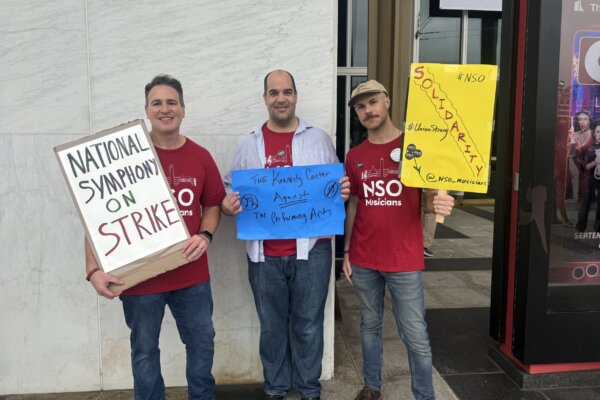
National Symphony Orchestra musicians hold signs reading “National Symphony On Strike,” “Solidarity #UnionStrong” and “The Kennedy Center Against The Performing Arts” during the short-lived strike in Washington D.C. on September 27, 2024. (WTOP/Cheyenne Corin)
The negotiations had been going on since May, with the musicians advocating for better wages on par with other orchestra members throughout the country. Members cited ongoing pay disparity when compared to musicians in major metro areas, arguing the high cost of living in the D.C. area created more challenges for attracting and retaining high quality talent for the orchestra. “All across the country, we’ve seen employers agree to contracts with substantial wage increases in recognition of the impact that inflation has had on employee’s cost of living,” Ed Malaga, the union’s president, said in a statement before the strike ended. By Monday, the union had unanimously voted to authorize a strike, Malaga said in a statement from the DC Federation of Musicians. In the statement, Malaga argued that the reasonable 6.25% wage increase every year through the next four years was reasonable given a double-digit percent increase of musician salaries for peer orchestra members across the country. “As of today, the NSO musicians are making substantially less than are the musicians in the New York Philharmonic, Boston Symphony, Chicago Symphony, Los Angeles Philharmonic and San Franciso Symphony,” Malaga said. “That pay disparity combined with the high cost of living in the D.C. area make it harder for the NSO to attract and retain talent commensurate with the reputation of the National Symphony Orchestra and the Kennedy Center itself as a premier performance venue.” Kennedy Center and National Symphony Orchestra Association officials said the original demands brought by the union included a 25% wage increase, which was deemed “not financially viable” for the organization. “While the Center’s current proposal calls for fair wage increases each year, the musicians appear intent to restore wages lost as a result of the pandemic (2020-2021),” the center said Monday. In addition, the NSO and Kennedy Center said the original financial package for musicians, including a 12% wage increase and health insurance expansion, would better the financial realities projected through 2028. WTOP’s Abigail Constantino, Cheyenne Corin and José Umaña contributed to this report. 

Inside country legend Alan Jackson’s triumphant finale concert

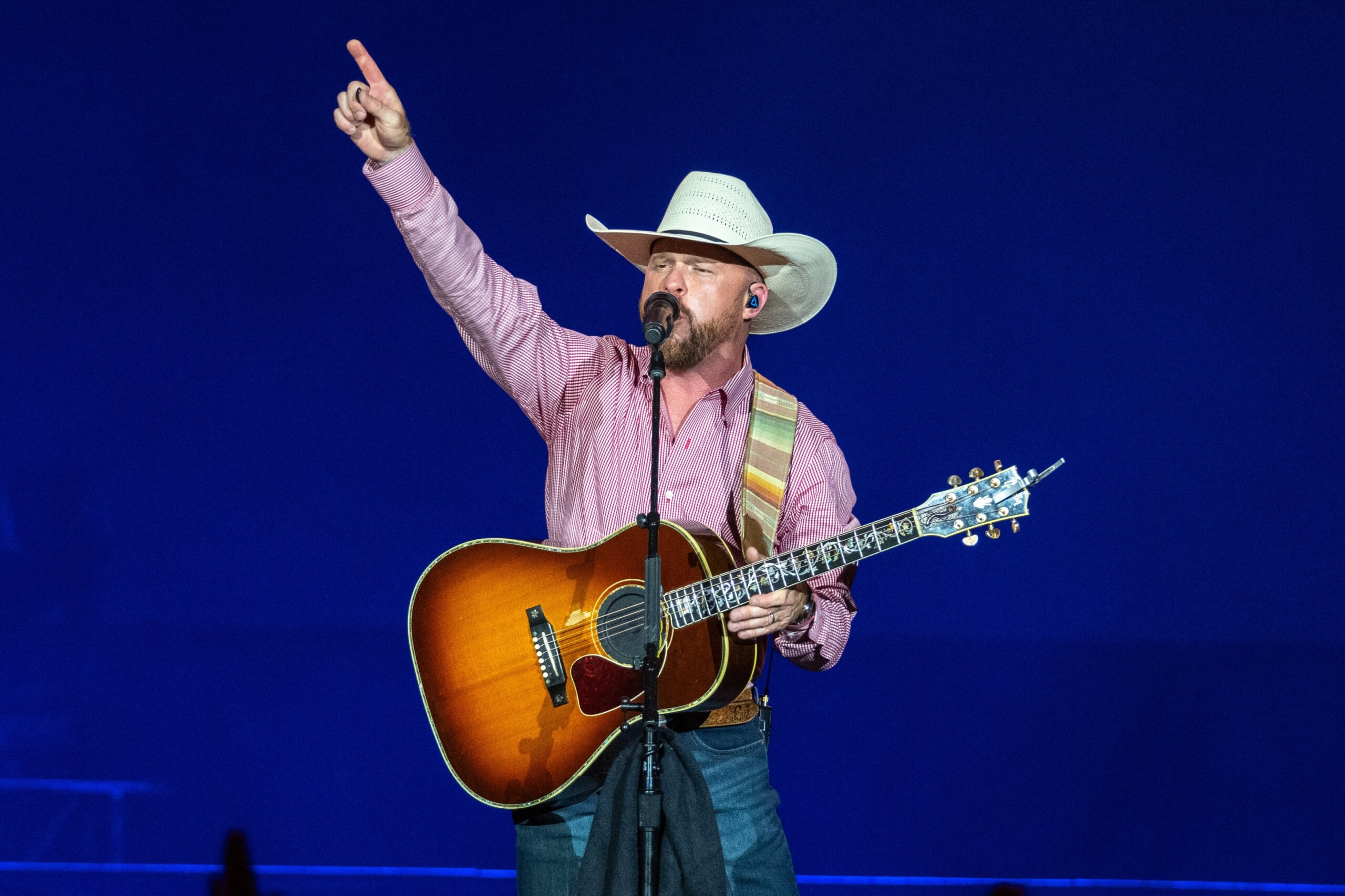
NASHVILLE, Tenn. (AP) — The time has come for country music superstar Alan Jackson to hang up his signature Stetson hat. The genre traditionalist from Newnan, Georgia, whose career kicked off in the 1980s and exploded shortly thereafter in the oft-cited '90s country wave with heartfelt songs for the working man who'd rather be drinking, or fishing, or ideally both, has sold over 60 million records across his storied career. And on Saturday night at Nissan Stadium in Nashville, he brought his touring career to an end. The event titled “Last Call: One More for the Road — The Finale" was a triumphant swan song for the performer, a celebration of his life and career with some help from the artists he directly inspired. Nashville's all-stars came out in droves
Read Next Story