[connatix_element_embed script_id=a379053855c44dccb76cb6172c51a67e player_id=017c7a1c-d539-4b52-8914-7f990221b730 video_id=a90f4f02-b26f-4682-be01-96d1422db63c align=right]
The Key Bridge collapse will go down in history along with the video that captured the collision.
WTOP talked with StreamTime Live on the details behind that iconic shot.
Kathy Abbott, co-owner of StreamTime Live, said she woke up to the unimaginable on Tuesday around 2 a.m.
“My phone started burning up not only from my partners, but a lot of our moderators were trying to reach me,” Abbott said.
Her company has cameras watching ports in nine locations across the U.S. for boat enthusiasts and they’re hoping to expand to 20 locations this year.
One of those spots already set up is the camera shot of the Francis Scott Key Bridge from a private residence they have an agreement with.
Overnight on Tuesday, it captured the shot we’ve all been seeing online.
“When you think of all the cameras that are out there in the world to catch something with that kind of clarity and with that kind of framing, it was pretty remarkable,” said Abbott.
More Key Bridge collapse coverage:
- Biden: Federal government should pay to rebuild Key Bridge after collapse
- Neighbors react to ‘great big noise’ of Key Bridge collapse
- How did container ship strike bring down Baltimore’s Key Bridge? An expert weighs in
- Economic impact of Baltimore bridge collapse: ‘Uncharted territory’
- GALLERY: Baltimore’s Francis Scott Key Bridge collapses after being struck by ship
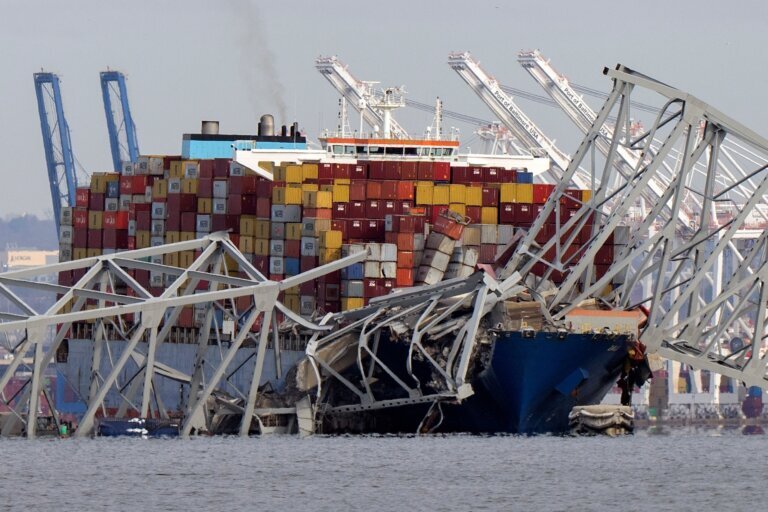
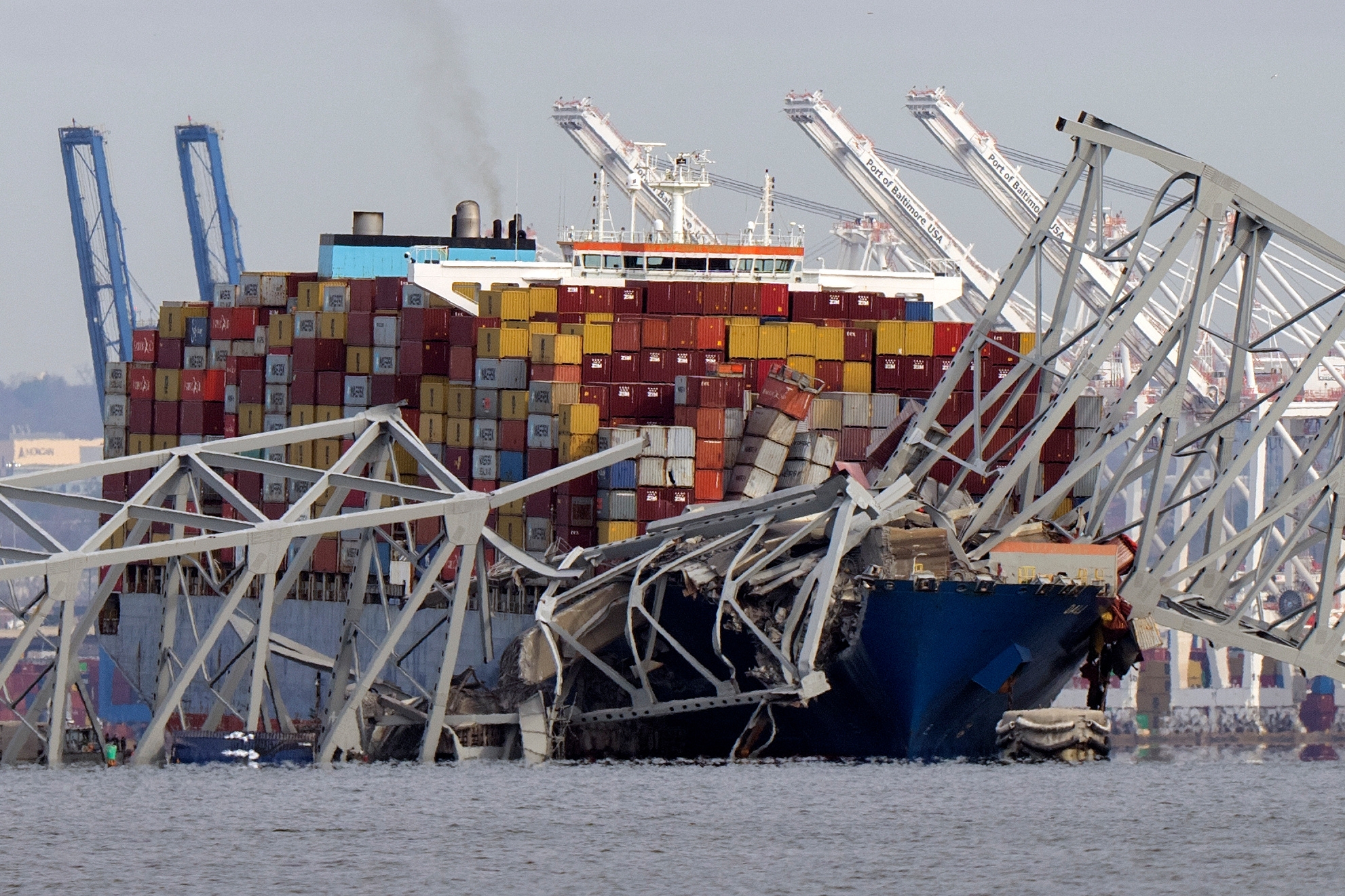
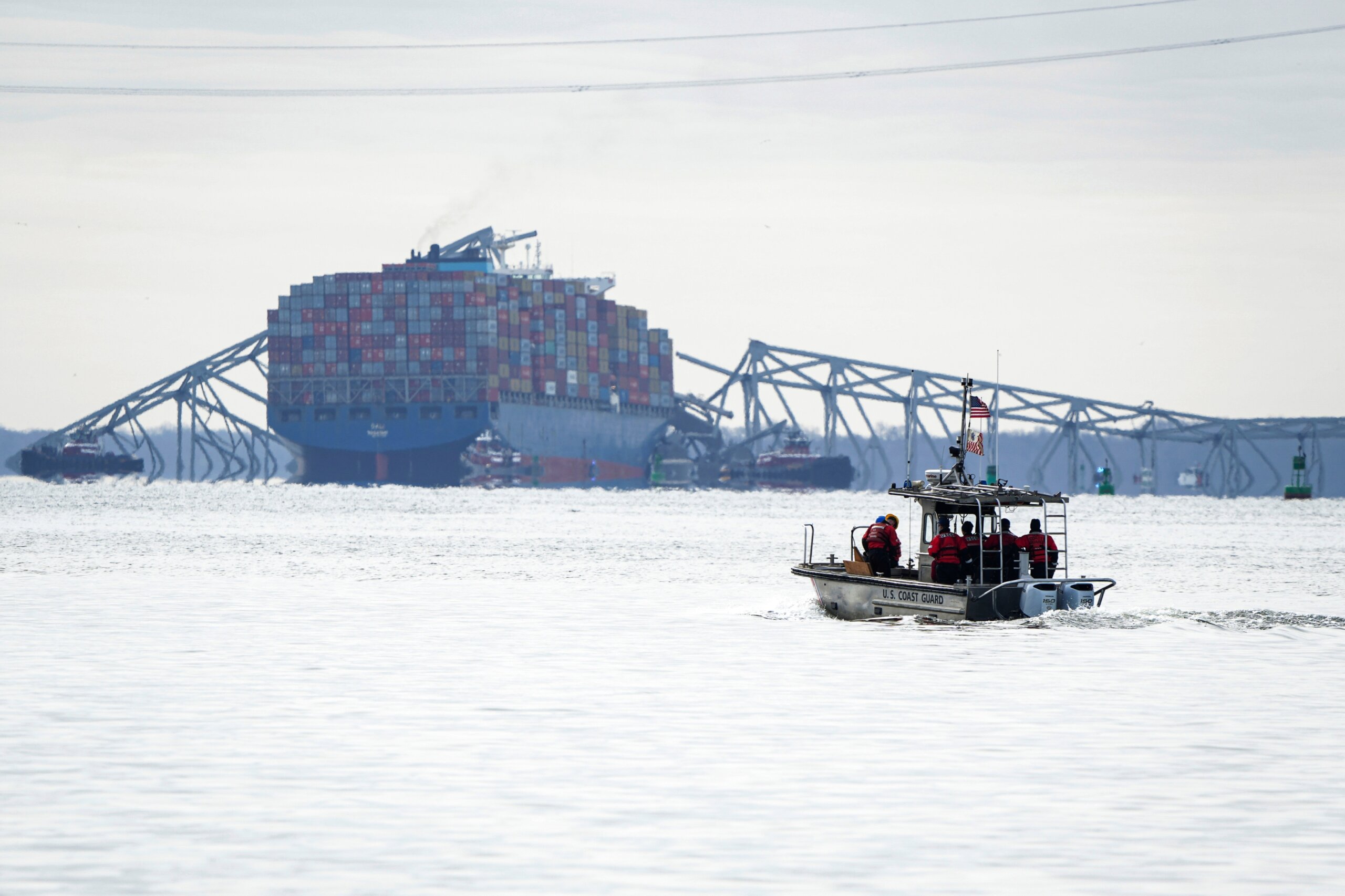
Recovery efforts are underway as divers plunge back into Patapsco River on Wednesday morning with hopes of recovering the bodies of six construction workers who were on the Francis Scott Key Bridge in Baltimore early Tuesday morning when a powerless cargo ship rammed into the bridge, causing it to collapse.
As someone who grew up in Maryland, Abbott said when she first saw the footage, she got emotional.
“It was like a knife in my heart. It’s such an iconic part of Maryland. I and so many people have traveled over that bridge our entire lives. And it just didn’t sink in that it could possibly be true,” she said.