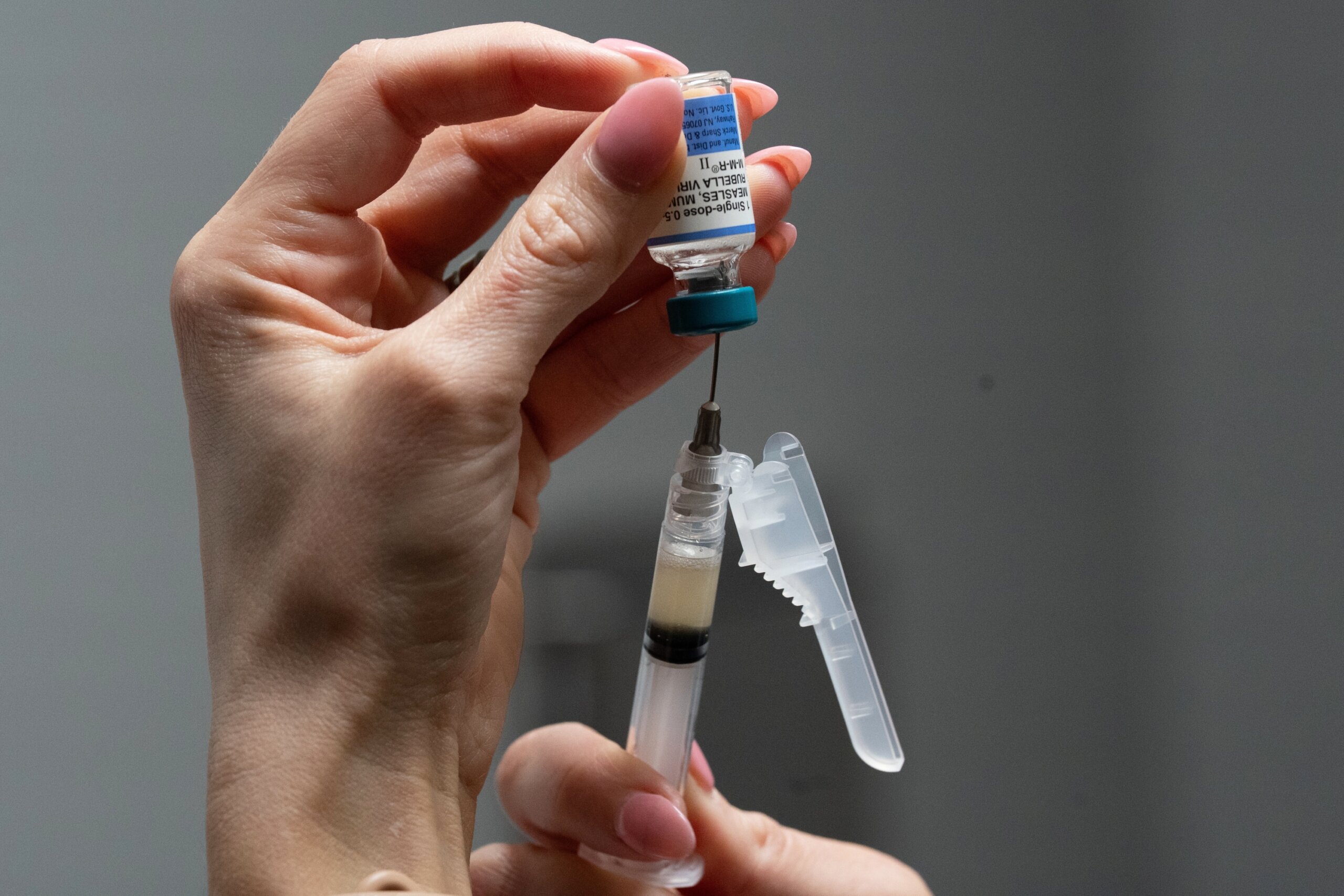
High rates of obesity and the effectiveness of weight loss drugs are sparking huge demand for medications like Ozempic, Wegovy and Mounjaro.
What some people may not know is that these anti-obesity drugs don’t come in pill form — instead, you have to inject them into the fatty parts of your body. As they’ve become more and more popular to combat obesity and the side effects that come with it, an Maryland-based doctor said he wants prospective patients to be as knowledgeable as possible.
Dr. Matthew Mintz, an internal medicine physician with a specialization in medical weight loss, is not surprised by the drugs’ sudden popularity.
“When so many people are overweight or obese, and we now have a drug that seems to be pretty effective in helping these patients lose weight, it’s not surprising that the demand is sky high,” he said.
Compared to older methods of weight loss medications, these new injectables like Ozempic, Wegovy and Mounjaro help patients lose weight and keep the weight off, Mintz said.
These medications were originally used to treat diabetes and other metabolic syndromes, though they’ve only recently been federally approved for weight loss. They’re in a medical class called glucagon-like peptides, or GLP-1, which mimics insulin, the peptide hormone that helps your body control your blood sugar. The GLP-1s send signals to the appetite center in your brain to make you feel full faster.
“They tell the pancreas, which secretes insulin, that when you eat foods — secrete insulin. And that’s how it lowers blood sugar.”
The medications help diabetics, and now non-diabetics lose weight in two ways, he said.
“One is that it delays gastric emptying, which means it tells the stomach to keep food in the stomach for a longer time. And that makes you feel full,” Mintz said. “The other thing that it’ll do, it’ll … signal to the brain that you’re full. So basically, what these medicines do, is they make you feel full.”
The main side effects are nausea and diarrhea, but Mintz said that’s not a huge concern for doctors and shouldn’t last very long.
“So while that’s the main, and only one significant side effect, it’s sort of how the drug works,” he said.
When properly prescribed, these drugs are safe even if you’re not diabetic. But they’re not a “magic drug.”
“Any medication for weight loss, including these, takes a lot of time — you have to talk about diet, you have to talk about exercise, you have to talk about lifestyle changes,” said Mintz. “You can ‘out eat’ these medicines, so anyone who thinks they can just take a shot once a week, and all their problems will go away, it does not work like that. And that takes a lot of time.”
But not all insurance plans will cover the expensive medications. And many practitioners are having a hard time prescribing it anyway due to a nationwide shortage.
Because these drugs are still only made exclusively by their original manufacturer, combined with a type of “proprietary technology” that “magically injects it into you,” they can range from $400 to $1,000 out-of-pocket each month.
Mintz recommends getting your prescription only from an experienced and real physician, as well as asking questions about where the medication is coming from.