Do you hit the snooze button in the morning? A new study reveals if that’s a bad habit

[audio m4a="https://wtop.com/wp-content/uploads/2023/10/2-ALARM-STUDY-SNOOZE-vbo.m4a" hide_author="true" hide_date="true" title="WTOP's Valerie Bonk reports on a new study that says pressing snooze might not be a bad thing."][/audio]

Do you set an early alarm in the morning and then hit snooze a bunch of times? Well, a new study says that habit might not be a bad thing.

Hitting snooze or using intermittent alarms in the morning to get some just a few more minutes of sleep was the subject of a new study published in the Journal of Sleep Research.

The study of more than 1,700 people showed that there were no clear effects of snoozing on stress hormone levels, morning sleepiness, mood or overnight sleep structure.

Of those who participated in the study, 69% said that they used the snooze function or set multiple alarms at least “sometimes.”

“The findings indicate that there is no reason to stop snoozing in the morning if you enjoy it, at least not for snooze times around 30 minutes,” said corresponding author Tina Sundelin, Ph.D., of Stockholm University. “In fact, it may even help those with morning drowsiness to be slightly more awake once they get up.”

The average time for snoozing each morning was 22 minutes, with the max at 180 minutes.

Further, the study found that snoozers tended to be younger than non-snoozers and were more likely to be a “night owl” type.

In another study of 31 “habitual snoozers,” it was found that 30 minutes of hitting “snooze” either improved or did not impact tests of their cognitive function once they got up. That was compared to those who woke up the first time their alarm went off, according to the study.
Fauci repeatedly invokes the Fifth Amendment in a contentious Senate committee hearing

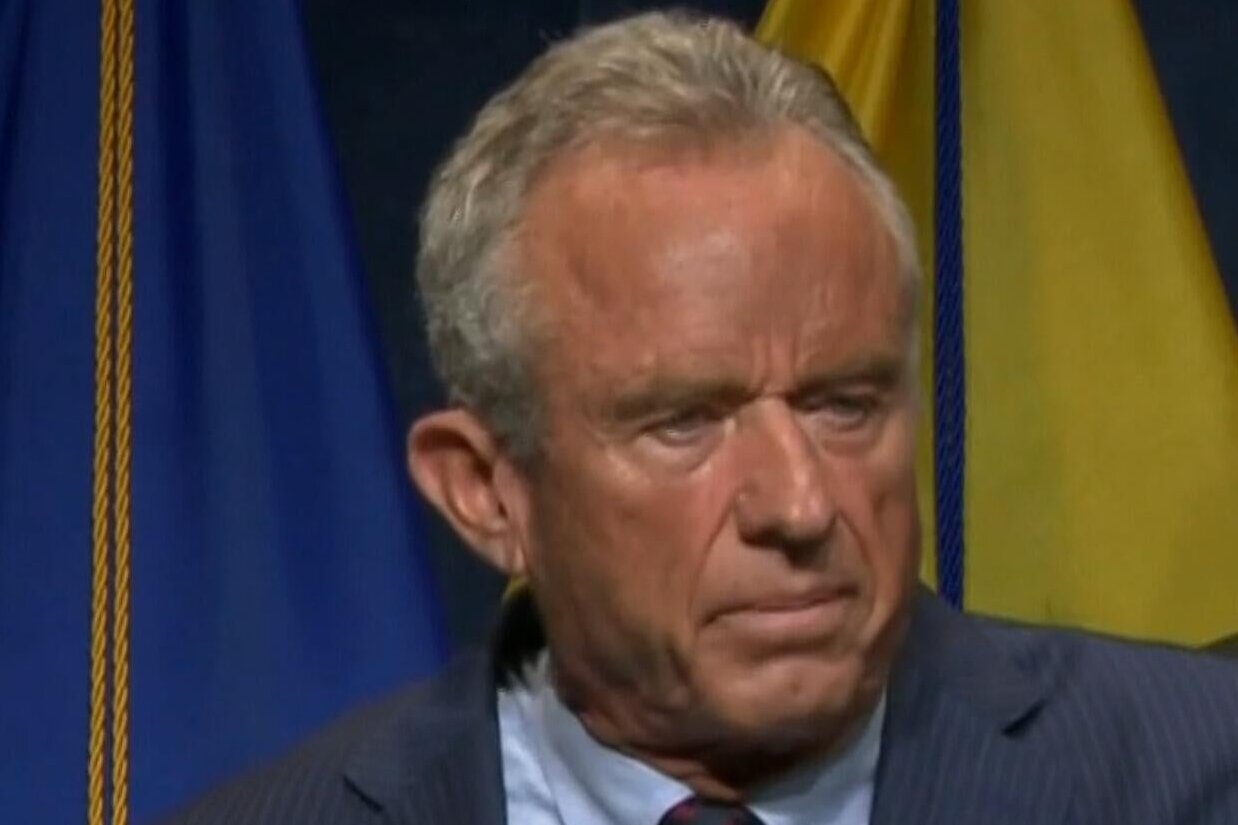
WASHINGTON (AP) — Dr. Anthony Fauci on Wednesday repeatedly invoked the Fifth Amendment and declined to answer dozens of questions from senators in a Republican-led committee hearing about his handling of the COVID-19 pandemic. The decision, at least for now, shielded Fauci from answering questions that could expose him to accusations of lying under oath. Though he received a pardon in early 2025 from Democratic President Joe Biden, some Republicans pursuing a yearslong campaign for his arrest had suggested he could still face charges for any perjury committed during Wednesday’s hearing. The scientist, who helped lead the nation’s COVID-19 response, was subpoenaed to testify under oath by Republican Sen. Rand Paul of Kentucky, who has long had an antagonistic relationship with Fauci. In response to angry, sometimes mocking questions from Republican senators, Fauci declined to answer more than 100 times, injecting new drama into partisan divides that have festered for years about the origins and handling of the pandemic. Fauci himself has become a polarizing figure, even receiving death threats that prompted him to seek security.
Read Next Story