As winter sets in, doctors’ offices and even hospitals typically see a spike in illnesses such as the common cold, flu, COVID-19 and even RSV. As the number of cases goes up, you may hear people blame their sickness on Mother Nature, but is she the main culprit?
Probably not, said Dr. Glenn Wortmann, director of the infectious diseases section at MedStar Washington Hospital Center.
“You know, it’s hard to know exactly why this occurs but most people think it’s just we’re inside more, we’re around each other more often the schools are back in session, its colder out, people aren’t outside,” Wortmann said.
Wortmann said in addition to being inside more, some studies show with drier air, viruses have an easier time getting around.
“They’re carried better in a drier area,” he said.
There are also studies that suggest that our immune systems don’t work as well in the colder weather.
Wortmann said the important thing to remember this time of year is remember the steps that can help prevent you from getting sick. Wash your hands frequently and avoid the urge to touch your nose. Also, if you think others around you may be sick, separate yourself from them the best you can, Wortmann said.
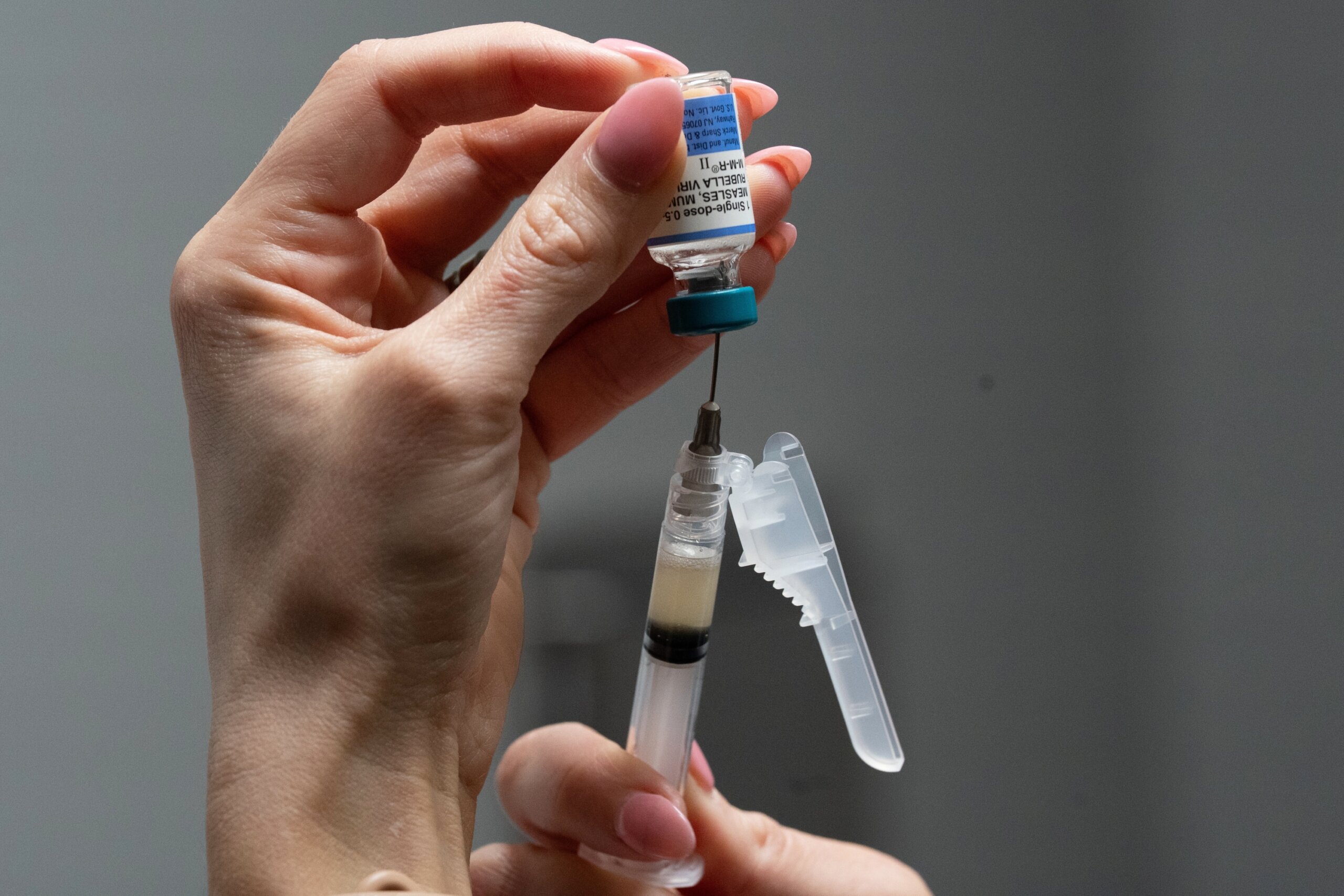
Wortmann said vaccinations can also help.
“It’s good time to get your flu vaccine, your COVID vaccine. If you’re in a certain age group, or over the age of 60, and you have some health problems, the new RSV vaccine might be something that would be helpful for you,” Wortmann said.
For people who had a hard time with COVID-19 or other illnesses, he said wearing a mask when out in the community or in a shared place at work, is not a bad idea.
“You’re going to want to do everything you can to do to protect yourself,” he said.
If you start feeling sick around others, Wortmann said put on a surgical mask. If you’re at home when you feel something coming on, he said don’t go into work.
“You don’t get your coworker’s sick,” said Wortmann.