▶ Watch Video: CDC recommends first-ever RSV vaccine during pregnancy
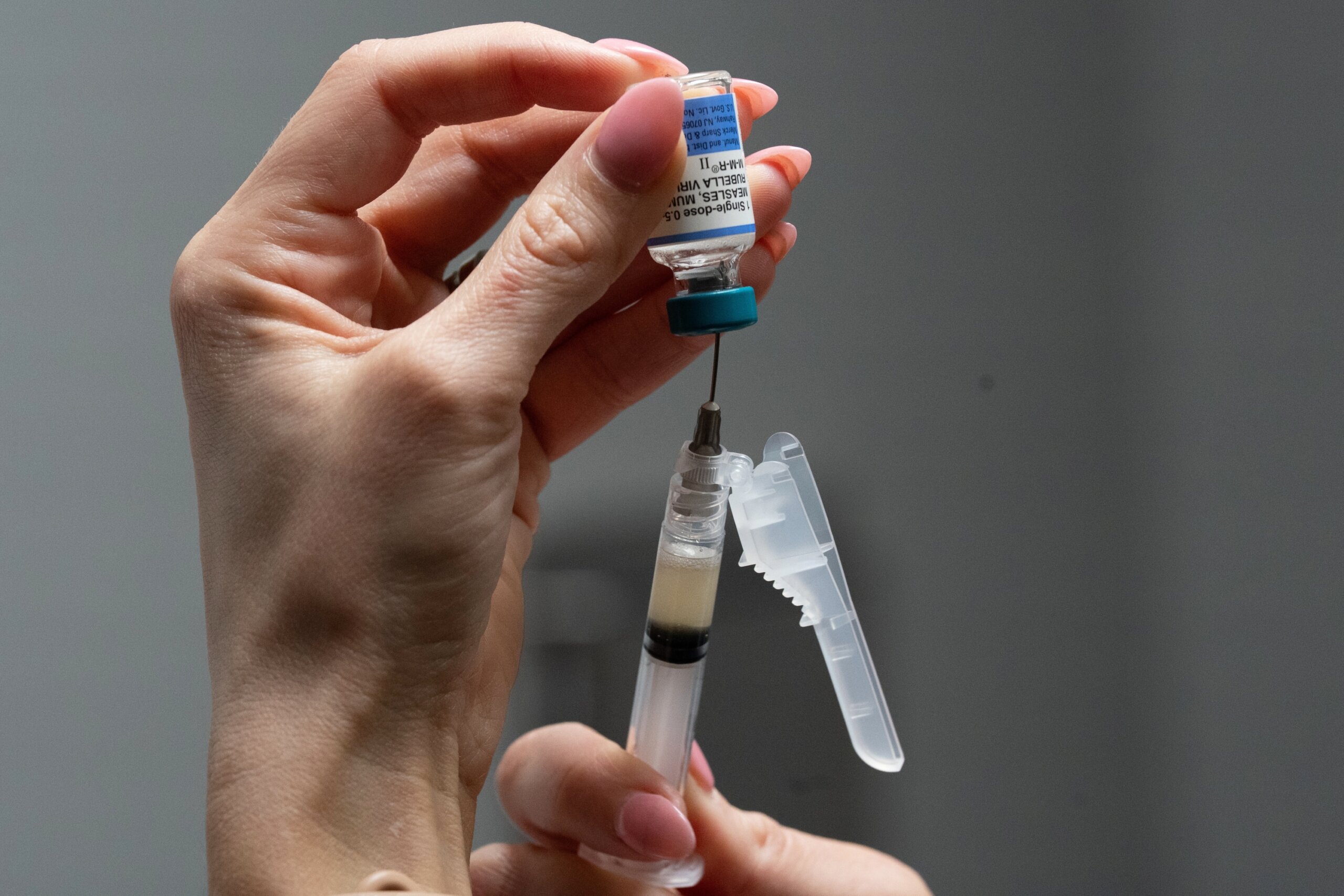
An advisory panel for the U.S. Centers of Disease Control and Prevention on Friday recommended that a vaccine for respiratory syncytial virus, or RSV, be given during pregnancy, providing an extra level of protection for newborns against the disease.
The panel recommended in an 11-1 vote that Pfizer’s Abrysvo be given during weeks 32 to 36 of pregnancy. The recommendation was formally adopted by CDC Director Dr. Mandy Cohen.
Abrysvo was approved by the Food and Drug Administration for administration to pregnant people last month but needed the CDC’s approval as well before it could be added to a list of “maternal vaccines” recommended before birth.
This also comes after both the FDA and CDC earlier this summer approved nirsevimab, an RSV antibody injection, for infants and young children.
Nirsevimab, manufactured by Sanofi and AstraZeneca and sold under the brand name Beyfortus, has been found to prevent “severe RSV disease,” the CDC said. It is meant to be administered just before or during the RSV season, which runs from October to March.
RSV is the leading cause of hospitalization among infants, according to the CDC.
“I encourage parents to talk to their doctors about how to protect their little ones against serious RSV illness, using either a vaccine given during pregnancy, or an RSV immunization given to your baby after birth,” Cohen in a statement Friday.
In June, the CDC gave its approval to both Abrysvo and GSK’s Arexvy vaccine as protections against RSV for adults ages 60 and older.
The previous month, Arexvy became the first RSV vaccine to ever receive approval from the FDA.
According to the CDC, anywhere from 58,000 to 80,000 children under the age of 5 are hospitalized with RSV every year in the U.S., while between 60,000 and 160,000 people over the age of 65 are hospitalized annually with the disease.
— Alex Tin contributed to this report.