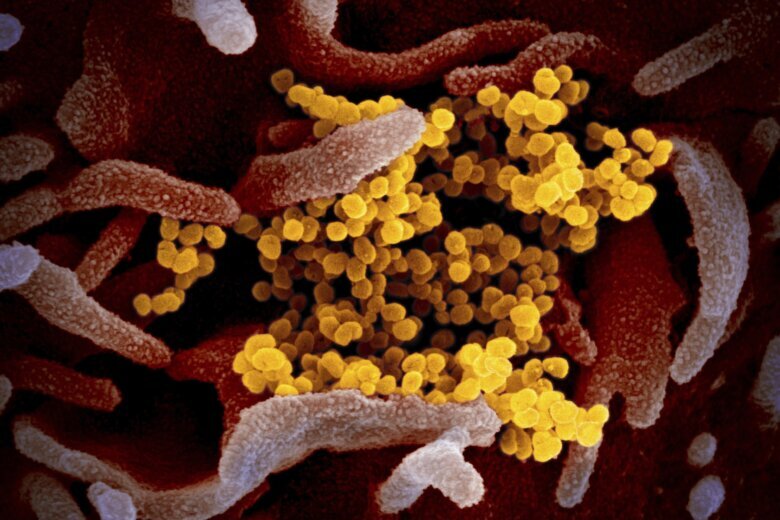
COVID cases are on the rise in the D.C. region, according to wastewater surveillance from BioBot Analytics. Meanwhile, a new variant — called BA.2.86 — is popping up around the world, catching the attention of public health officials and scientists.
“This one just came on our radar screen,” said Andrew Pekosz, a virologist at Johns Hopkins Bloomberg School of Public Health.
Experts say the new strain has 30 mutations relative to the original COVID-19 virus.
“It is highly mutated in a lot of the areas that vaccines or previous infections would generate antibodies to recognize this,” Pekosz said. “So it represents something that’s very, very different from what’s circulating currently and, therefore has a high potential to escape from all of this immunity we’ve generated in the population over the past couple of years.”
When asked if this variant could act like the Delta or Omicron variant, causing cases and hospitalizations to skyrocket, Pekosz urged caution.
“We shouldn’t overreact at this point in time,” Pekosz said. “It doesn’t have any of the critical mutations that would evade antiviral immunity.”
He said this factor, along with the cellular immunity born from natural immunity, should limit the severe-illness impact of BA.2.86.
“The estimate right now is that there will probably be more cases, but hopefully not a large increase in hospitalizations or severe cases,” Pekosz said. “But that’s something that we’re going to have to wait a few more weeks to see how the data really starts to come out.”
[hbidcpodcast podcastid=’25111430′]