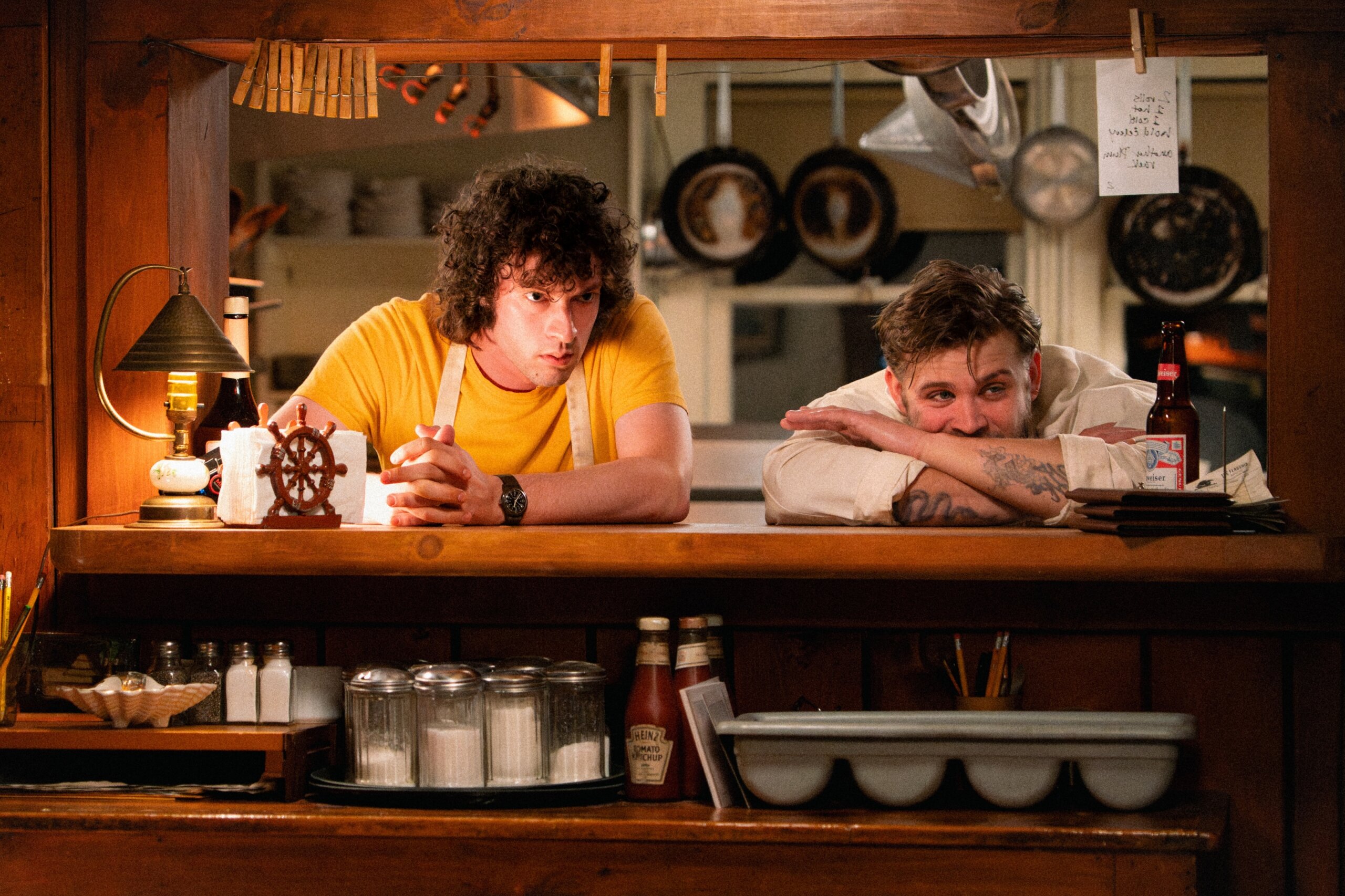
New love: Gen Z’s low-key approach to relationship reveals

Starting a new romantic relationship is exciting — but it raises the question: How do you tell other people?

For many people, the big moment is noted when there’s a change to their Facebook status; “single” to “in a relationship” and posting pictures of a pair of smiling people looking toward the future.

But apparently Gen Z thinks that’s [clears throat] cringe.

According to the dating app Tinder, only 8% of users between the ages of 18 to 34 would share the news in a big, dramatic reveal — far more would prefer something more gradual.

The youngest generation with adults is more likely to offer hints in an Instagram post — more like a soft product launch — perhaps including a photo of their new partner’s hand.

According to Mashable, internal bio data for Tinder users showed more women in Gen Z have “soft launch” in their preferences, compared to “hard launch.”

The data showed women are more likely to wait a few months, to see how their new relationship progresses, before launching news of their new partner on social media.


Small changes in Hanoi’s streets can mean big disruptions for those who depend on them

HANOI, Vietnam (AP) — The noise is everywhere in Hanoi. The crack of a hydraulic breaker, the groan of excavators, the crunch of brick and concrete being torn apart. As Vietnam pushes for double-digit economic growth, its capital is pursuing an ultramodern vision for the next 100 years. In the first half of 2026 alone, Hanoi spent $2.4 billion clearing land for nearly 1,500 projects, transforming one of the world’s oldest continuously inhabited capitals. Authorities say the redevelopment includes flood-controls and measures to reduce air pollution as Hanoi adapts to extreme weather from climate change. Vietnam is among the nations most vulnerable, enduring frequent and intense typhoons, floods and extreme heat. The capital often is enveloped in thick smog as one of the world's most polluted cities. The promise of progress comes at a cost of homes, livelihoods and familiar sites, as dust from demolitions drifts across neighborhoods, settling on rooftops, trees and the few buildings still standing.
Read Next Story