
Sweetgreen reopens its Bethesda Row restaurant

Homegrown salad chain Sweetgreen has reopened its Bethesda Row restaurant in Maryland two months after closing for a major renovation.
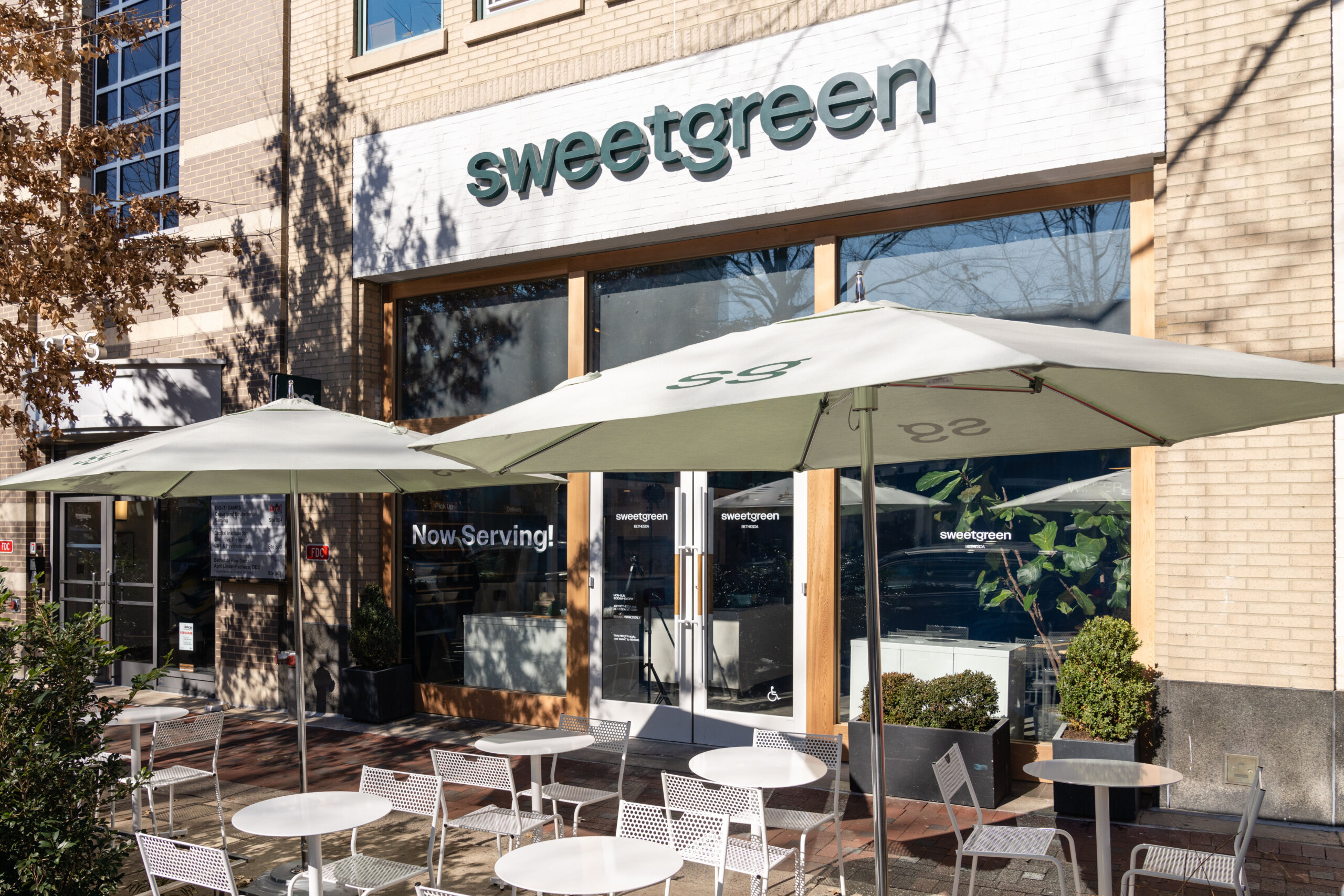
Homegrown salad chain Sweetgreen has reopened its Bethesda Row restaurant in Maryland, two months after closing for a major renovation. (Courtesy Sweetgreen)

The Bethesda Sweetgreen, at 4831 Bethesda Avenue, was outfitted with new digital menu boards and a new dedicated pickup area for online orders.


The 1,800-square foot restaurant also includes an outdoor patio with seating for 22, and indoor sit down dining for up to 26 customers.

Sweetgreen, with nearly 30 locations open in the D.C. area, and more than 145 nationwide, has been experimenting with new store formats. Last fall, it opened its first digital-only pickup location in D.C.’s Mount Vernon neighborhood. It is more or less a self-service operation with no dining area or front-line service.
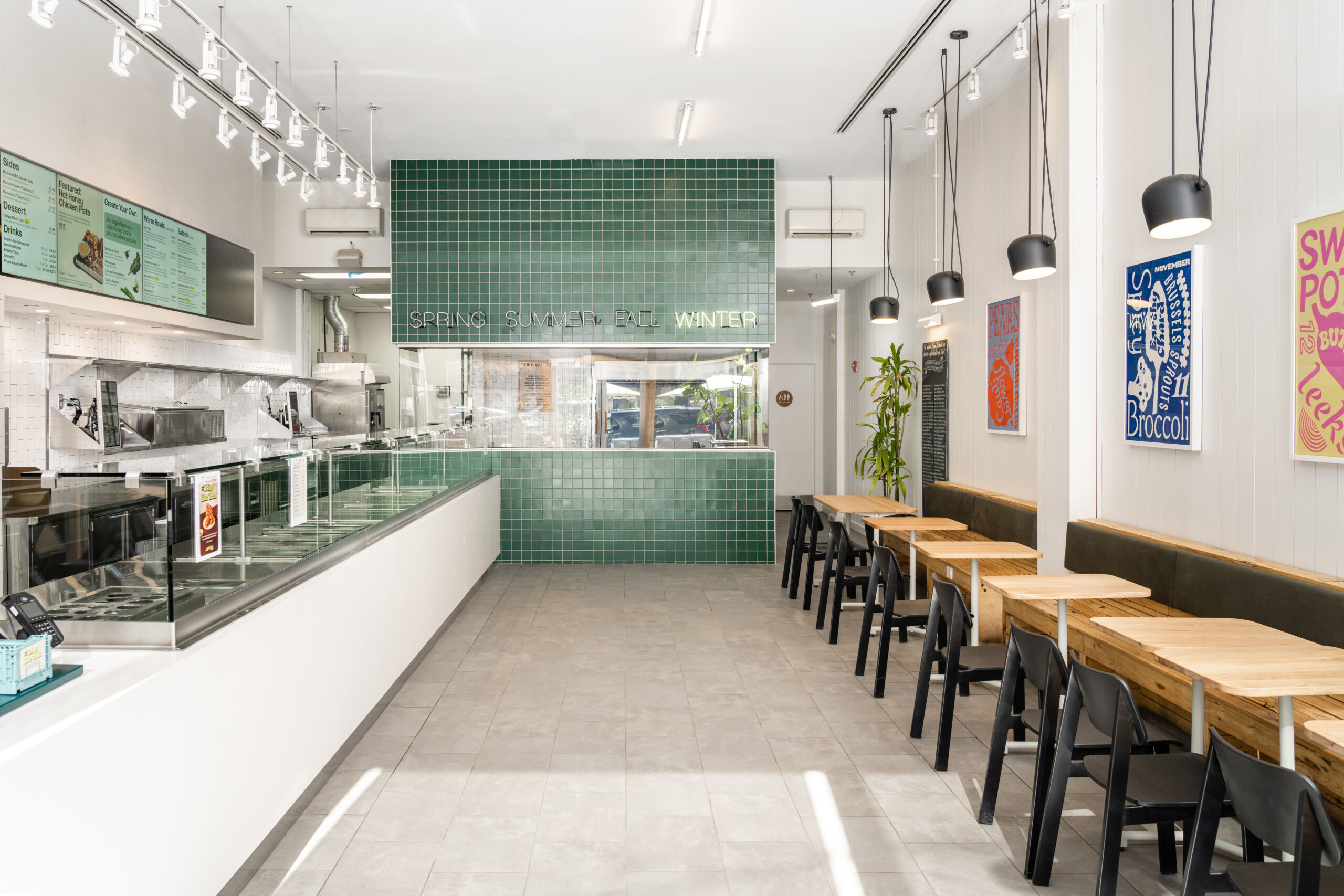
The 1,800-square foot restaurant also includes an outdoor patio with seating for 22, and indoor sit down dining for up to 26 customers. (Courtesy Sweetgreen)

Customers pick up their orders from shelves and go, and about 60% of Sweetgreen’s orders are digital.

Sweetgreen also brought back dessert to its menu last year, albeit with just one offering: A crispy rice treat made with brown rice, quinoa, puffed millet, roasted sunflower seeds and honey date caramel. Sweetgreen dropped a frozen yogurt dessert from its menu in 2014.

Sweetgreen went public on the New York Stock Exchange in 2021. The chain had $124 million in revenue last quarter, 29% more than a year ago. The company posted a quarterly loss of $47.4 million.

The company was founded by three Georgetown University students and its first store opened on M Street in Georgetown in 2007. The company is now headquartered in Los Angeles.

Massachusetts court hears arguments in lawsuit alleging Meta designed apps to be addictive to kids

BOSTON (AP) — Massachusetts' highest court heard oral arguments Friday in the state's lawsuit arguing that Meta designed features on Facebook and Instagram to make them addictive to young users. The lawsuit, filed in 2023 by Attorney General Andrea Campbell, alleges that Meta did this to make a profit and that its actions affected hundreds of thousands of teenagers in Massachusetts who use the social media platforms. “We are making claims based only on the tools that Meta has developed because its own research shows they encourage addiction to the platform in a variety of ways,” said State Solicitor David Kravitz, adding that the state's claim has nothing to do the company's algorithms or failure to moderate content. Meta said Friday that it strongly disagrees with the allegations and is “confident the evidence will show our longstanding commitment to supporting young people.” Its attorney, Mark Mosier, argued in court that the lawsuit “would impose liabilities for performing traditional publishing functions” and that its actions are protected by the First Amendment.
Read Next Story