Sandbox VR, a fast-growing chain of virtual reality gaming venues with celebrity investors, has signed a lease at The Boro in Tysons, Virginia, for its first location in the D.C. region.
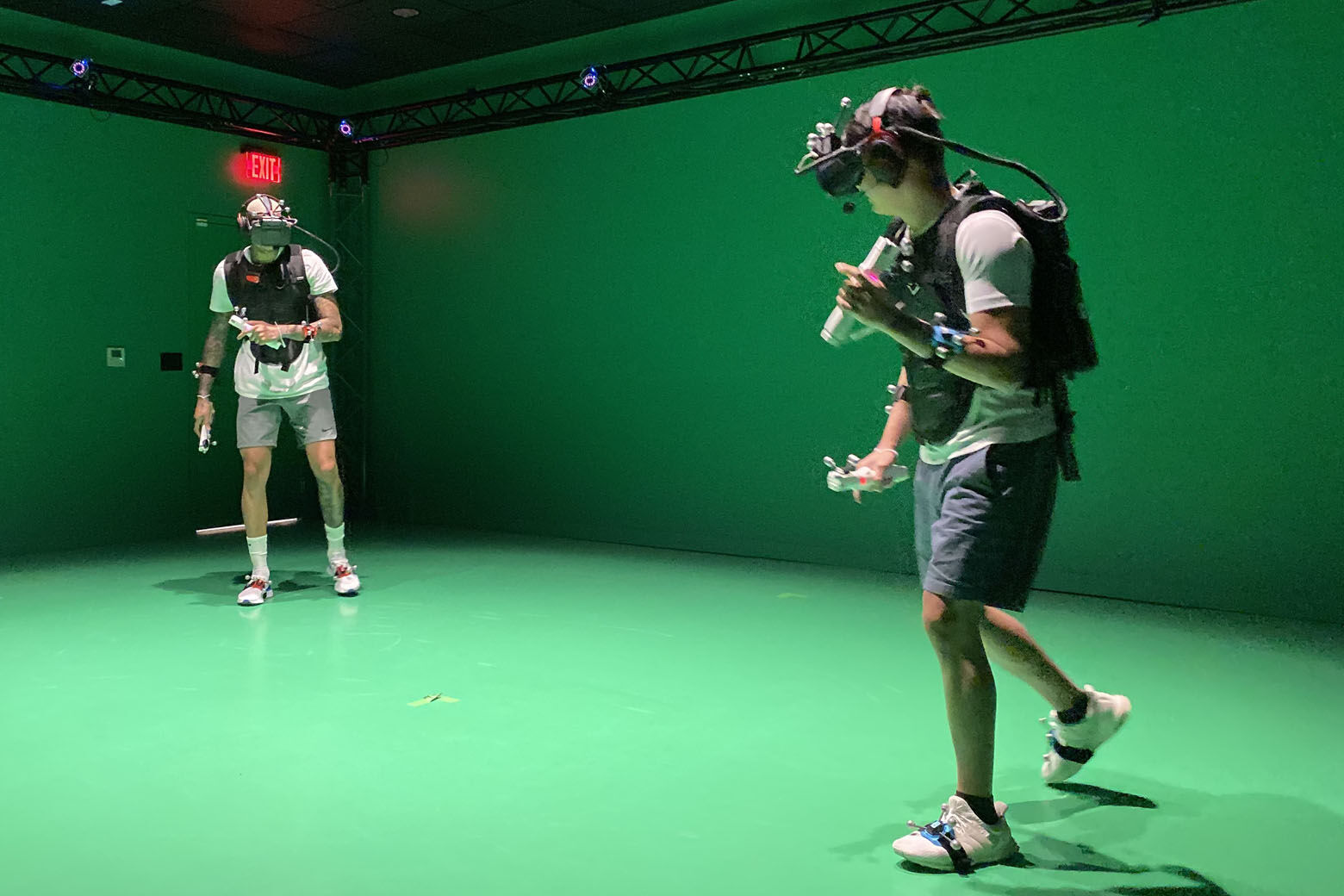
The 7,500-square-foot location will have four private rooms for virtual reality gameplay, each with up to six players. Sandbox uses patented motion-tracking technology to capture the movements of a player’s entire body. The haptic technology gear that players wear creates a sense of touch through force, vibrations and motions.
The Tysons location will open this summer.
The Meridian Group’s The Boro is anchored by Whole Foods Market and has more than 20 restaurants and a ShowPlace ICON Theatre. There are also residential buildings and office buildings, parks, plazas and gardens.
For Meridian, Sandbox VR is a good fit for its growing neighborhood at The Boro.
“At The Boro, we strive to create an interactive, socially engaged neighborhood cultivated by experiential retailers like Sandbox VR … a unique, exciting addition to The Boro’s growing portfolio of eclectic restaurants, shops and attractions,” said Charlie Schwieger, vice president of asset management at The Meridian Group.
San Francisco-based Sandbox VR has more than 30 locations. Its investors include Justin Timberlake, Katy Perry, Kevin Durant and Will Smith. Its most recent fundraising round raised more than $37 million from investors.