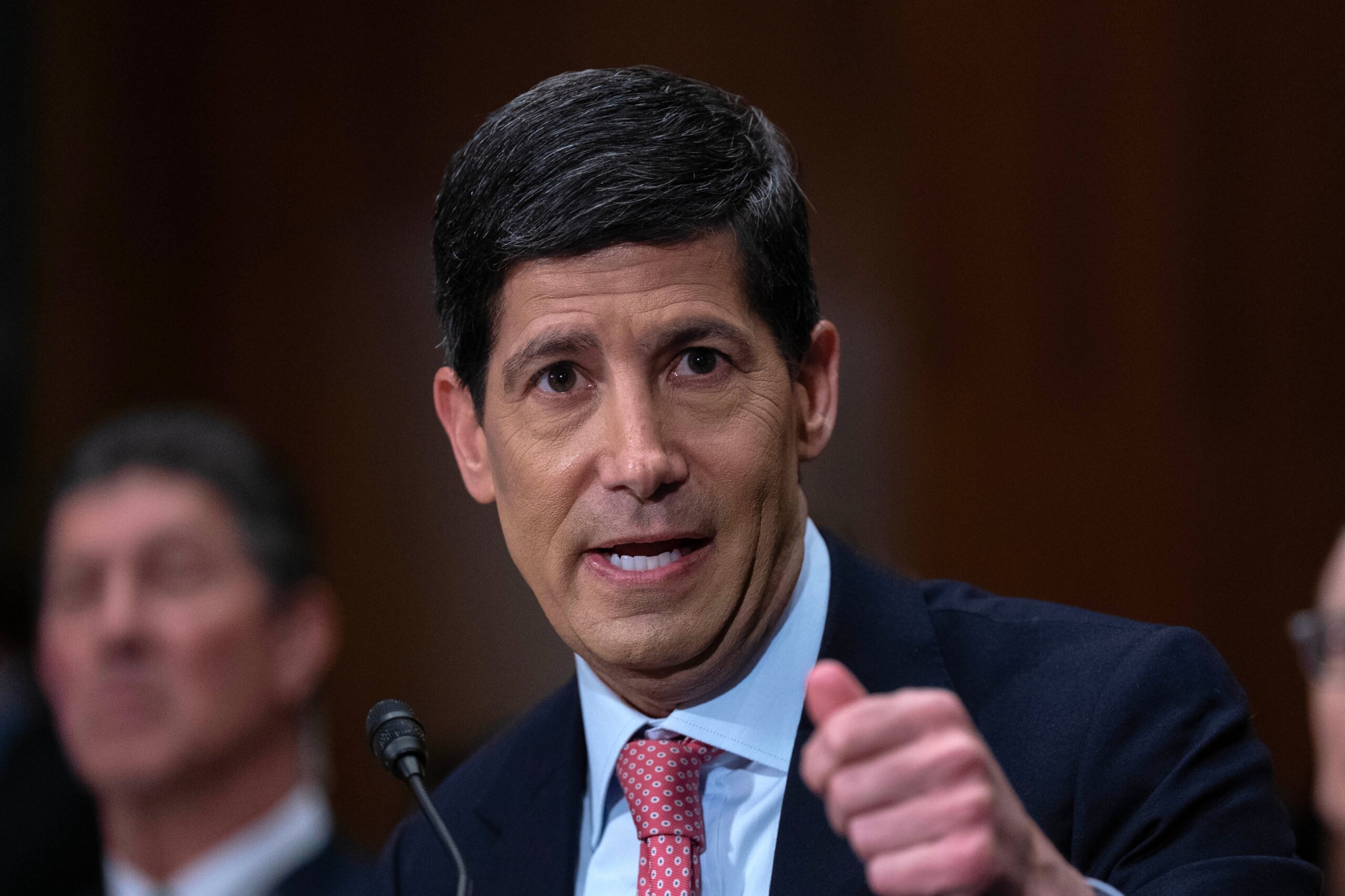
Alexandria, Virginia-based Burke & Herbert Bank will list its stock on the Nasdaq Stock Exchange within the next six months.
Burke & Herbert is currently thinly-traded on the Pink Sheets market. The move to the Nasdaq will lift its profile as a publicly-traded company.
“We believe listing our shares on the Nasdaq will broaden the company’s access to capital and provide better liquidity for our shareholders,” said president and CEO David Boyle. “In addition … we expect greater interest in our stock that may lead to increased value for shareholders.”
This summer, Burke & Herbert announced its intent to form a holding company — Burke & Herbert Financial Services Corp. — a reorganization it said would increase access to capital for expansion.
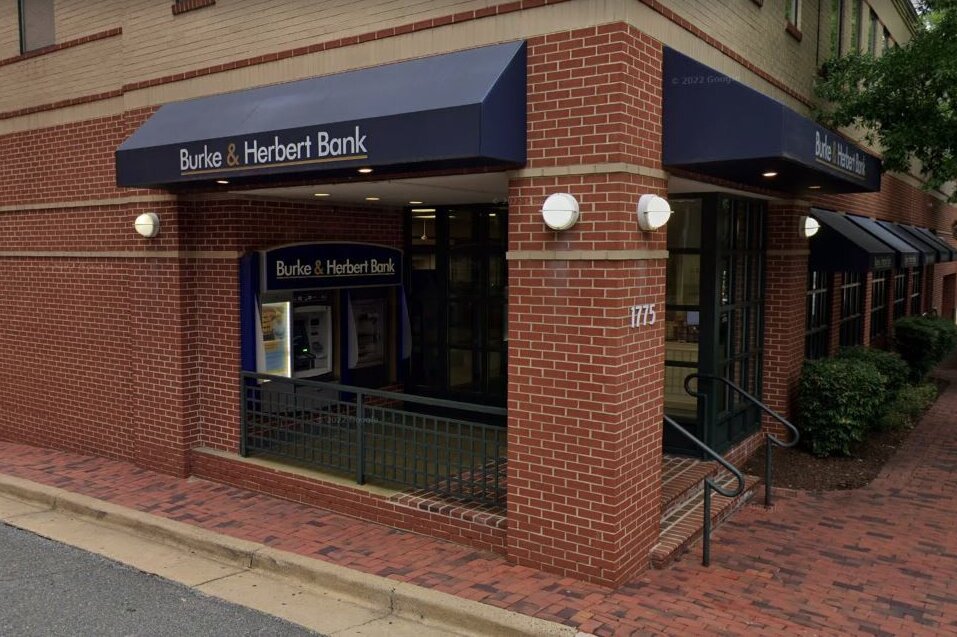
Burke & Herbert is the oldest continuously-operating bank doing business under its original name headquartered in the D.C. region. Its first branch opened in Alexandria in 1852.
It has 20 branches now in Northern Virginia and the Fredericksburg and Richmond areas, with $3.65 billion in assets.
The bank plans further expansion. In August, it opened a commercial lending office in Bethesda, its first presence in Maryland. It also recently bought a building in Alexandria to consolidate a large portion of its office staff.