
Bethesda, Maryland-based Marriott International, which entered the all-inclusive resort business in 2019, has signed a management agreement for a W-branded, adults-only, all-inclusive resort in the Dominican Republic.
The announcement comes a month after Marriott opened another all-inclusive resort in the Dominican Republic, the Sanctuary Cap Cana, its 30th all-inclusive property in the Caribbean and Latin America.
The new resort, expected to open in 2024, will be the 349-room W All-Inclusive Punta Cana Uvero Alto, a beachfront resort with spa, three pools with pool bars and 11 restaurants and bars.
The rooms will have balconies and plunge pools. There will also be several suites.
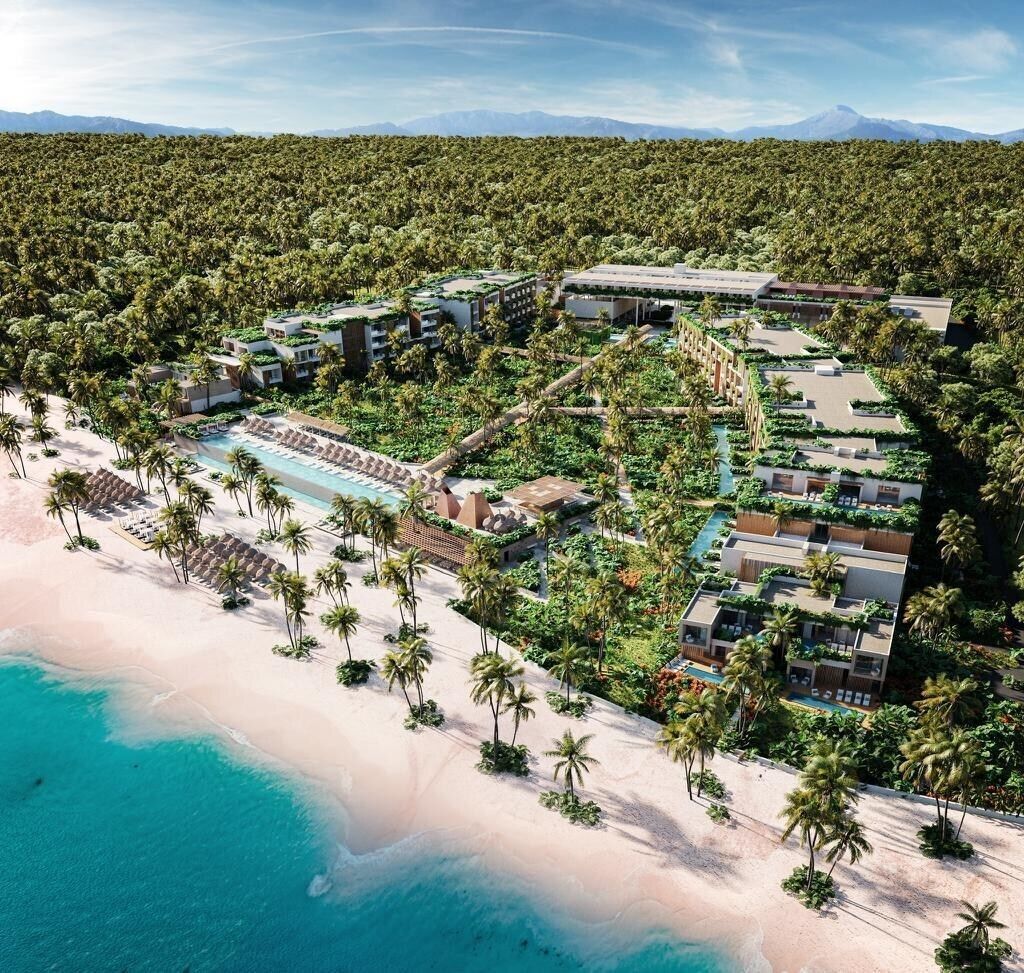
Marriott signed the management agreement with the resort’s developers, Grupo Putacana and MAC Hotels.
The Sanctuary Cap Cana includes 324 suites and oceanfront villas, including a 5,500-square-foot, two-level villa on a private island that includes three plunge pools.
Marriott is now one of the 10 largest global all-inclusive operators, with properties throughout the Caribbean and Latin America.
Last week, Marriott signed another management deal that will expand its presence in the lower-priced hotel segment in the Caribbean and Latin America, with the City Express hotel brand that includes 152 hotels in 75 cities across Mexico, Costa Rica, Colombia and Chile. It will become Marriott’s 31st hotel brand.
Marriott added 17,000 rooms in the second quarter, more than half of which were in international markets.