
Responses from Washington Spirit players to a 2020 survey reveal concerns with the behavior of former head coach Richie Burke months before his firing after a harassment investigation, according to an independent report released by the U.S. Soccer Federation on Monday. The survey, which asked players to rate their experiences with their clubs, had multiple responses raising issues with Burke’s behavior after his hire in 2019. According to the report, one player said the former coach was someone who played “major psychological games with none[sic] starters, using demeaning language and also threatens to waive us.” “One Spirit employee described Burke’s treatment of players as ‘battered wife syndrome,’ where Burke would ‘lose his s***’ one day, and then apologize the next,” the report said. Some of the responses stated that Burke treated those not in his starting lineup the worse, creating divisions within the team.
In response to the survey questions, Burke told investigators that he was never abusive to players, adding that he was careful who to push. He admitted being harsh at times but that he “never crossed the line,” while adding that the league’s line of mistreatment “was never defined.” He was suspended and ultimately fired and banned for life following an investigation into the team’s work environment detailing his treatment toward players. The report, written by former acting U.S. Attorney General Sally Yates, showed that emotional abuse and sexual misconduct toward players were systemic in the National Women’s Soccer League, the United States’ top domestic professional soccer league. While the report centered around three cases, the problems were widespread as five of the 10 head coaches in the NWSL last season (including Washington) were fired or resigned amid misconduct allegations. “Abuse in the NWSL is rooted in a deeper culture in women’s soccer, beginning in youth leagues, that normalizes verbally abusive coaching and blurs boundaries between coaches and players,” Yates wrote in her report. U.S. Soccer and league officials thought that player surveys would foster feedback from players on how the NWSL was doing. Players began responding to the surveys in 2013, according to the report, giving feedback on multiple topics, including the quality of training facilities, quality of training fields, game fields, laundry services, coaching, medical staff, travel and housing, as well as a comment section to discuss “the best and worst parts of their experience” with their clubs. League officials only distributed survey from 2013 through 2017, and again in 2020, the report found. Players raised multiple problems from “poor playing conditions and low salaries, to allegations of emotional and verbal abuse, and toxic work environments.” “Many comments included complaints regarding several of the coaches discussed in this report,” the report said. “Yet although both League and Federation officials received the information, the players’ concerns regarding their coaches were generally not addressed.” In some cases, the players’ comments sections were scrubbed before teams saw their responses, so any written complains provided were not addressed. It is unclear if the Spirit’s leadership at the time saw its players’ responses. 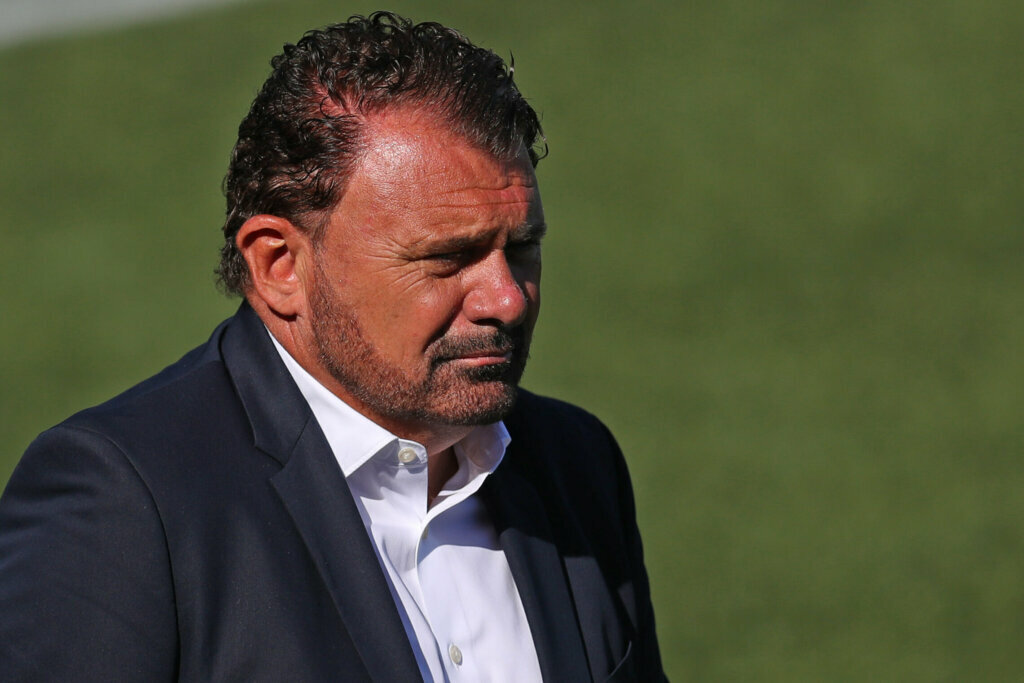
A message from Michele Kang pic.twitter.com/ceEar4HKbF
— Washington Spirit (@WashSpirit) October 5, 2022
More than 200 people were interviewed by investigators. Some two dozen entities and individuals provided documents. U.S. Soccer also provided documents and the firm reviewed 89,000 deemed likely to be relevant. The report made numerous recommendations to prioritize player health and safety. Among them is the requirement that teams accurately disclose coach misconduct to the league and the soccer federation to ensure coaches aren’t allowed to move between teams. It also calls for meaningful vetting of coaches and timely investigation into allegations of abuse. The NWSL said it was reviewing the report. The league and the NWSL Players Association are also conducting an investigation. “Establishing trust and confidence between the league, its players and other key stakeholders remains a central focus for the NWSL, and we know that we must learn from and take responsibility for the painful lessons of the past in order to move the league into a better future,” NWSL Commissioner Jessica Berman said in a statement. U.S. Soccer President Cindy Parlow Cone called the findings “heartbreaking and deeply troubling.” She added that the federation’s board of directors and a leadership team would begin implementing the report’s recommendations immediately. “U.S. Soccer and the entire soccer community have to do better, and I have faith that we can use this report and its recommendations as a critical turning point for every organization tasked with ensuring player safety,” Cone said. “We have significant work to do, and we’re committed to doing that work and leading change across the entire soccer community.” The Associated Press and WTOP’s Mike Murillo also continued to this report.