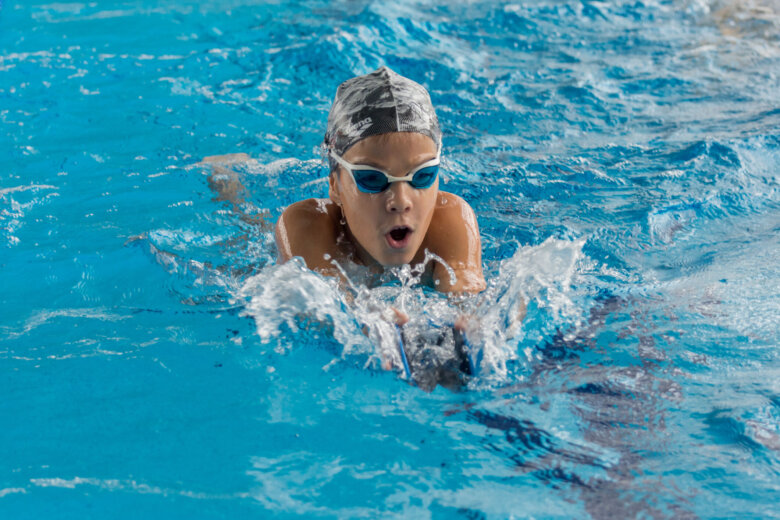
Warmer weather means spring sports for kids, and that brings the risk of injuries. But a Children’s National Hospital expert has some tips for avoiding them.
“Keeping a really strong core, regardless of the sport you play, is probably the No. 1 thing I can tell you for injury prevention, and then tailoring that to whatever you do,” said Dr. Keyur Desai, a primary care sports medicine physician at Children’s National Hospital.
Tailoring, for example, might involve a throwing athlete following good pitch counts. “Or if you’re fatiguing before [reaching] the pitch counts — even that you let somebody know, because that’s going to reduce your injury risk,” he said. “And we have really good data on that.”
And don’t underestimate the importance of warming up, loosening up and staying that way over the course of a sporting event.

“When we talk about injury prevention and staying healthy and staying on the field or staying on the court, a lot of youth athletes don’t warm up adequately, or they kind of rush through their warm-ups — they’re excited for the game, excited for the practice. And those lead to a lot of soft tissue injuries, strains and pulls,” he said.
Starting a game, match or practice with warm muscles and tissues increases blood flow that helps the muscles activate and helps the tissues loosen up and mobilize.
Warming up can be accomplished with activity, but Desai notes that hot packs and compresses can sometimes be appropriate.
“As a personal example, I have really tight hamstrings. And so warming them up really adequately before I go for a big run is beneficial for me,” he said.
Also: Be careful not to overtrain.
“This one I want to direct especially to the overhead throwing athletes,” Desai said — in particular, baseball pitchers, catchers and outfielders who throw a lot. “Because what we see is — depending on age — they might be throwing too much and too frequently for their growing bodies to be safe and protected.”
Young athletes also need to take care of themselves when the event or practice is over.
“Making sure that you give yourself a good cool-down, a good stretch, take ice as you need it, do your soft tissue work — meaning foam rollers, massage, that kind of thing,” he said.
What’s he mean by taking ice?
“Icing usually is a post-activity, post-injury, post-inflammation thing that we should be doing to help reduce the pain and help reduce the inflammation that sets in,” he said.
If children do become injured, Desai said, it’s important for them to receive appropriate care.
“Youth athletes are really different from adult athletes,” he said. “When you’ve got a youth athlete, they’ve got lots of different injury patterns that we don’t see in adults.”
Body strength and body build become different when someone is “skeletally mature” after their teenage years.
“I will tell you in clinical practice, every day in the office, I’ll see somebody who saw a physician who does not practice pediatric sports care. And they may not have gotten the best, newest evidence-guided treatment for their condition,” Desai said.