
Bosses are beginning to ask workers to return to offices, but the transition isn’t being embraced by everyone. A D.C.-area therapist has tips for people who may be uncomfortable.
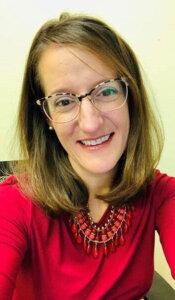
“Having a plan will help ease anxieties,” said Megan Fullen, a licensed clinical social worker in Virginia, Maryland and D.C. at Kaiser Permanente Behavioral Health.
Have a candid and clear conversation with your supervisor about what their expectations are and what your hopes are.
“What do they expect from you? What will the job look like now versus what it looked and felt like before the pandemic?” Fullen said.
People who are feeling anxious about returning to in-person work can ask themselves probing questions such as:
- What am I uncomfortable about?
- Do I have fears here?
- Are they valid?
- Are they just feelings?
- Are they factual?
Employers are being more flexible then they have in the past, but workers need to figure out what they want.
“You have to know yourself and your own standards to know if your place of employment is the best fit for you. At this time, if it meets your financial, emotional needs; your family’s needs,” Fullen said.
Fullen has tips to help people do honest self-evaluations.
“Allowing yourself time to reflect is one of the most important things,” she said.
Busy lives and overbooked schedules can make it difficult to examine or know your own thoughts.
She recommends, “allowing yourself to take a break, to pause, to go on a walk without music, to think in silence, to meditate, to use any self-care calming behavior, to give space will help with self-awareness.”
Noting that no one is untouched by the stress of the pandemic, Fullen suggests people pay attention to warning signs they may need additional mental health support and to embrace support from family, friends and from within the community. Most businesses have employee assistance programs.
“It’s OK to not be OK right now. And I think that knowing your place and what your needs are is a great way to feel more ready going back to the workplace,” Fullen said.