
Adam’s Law, the anti-hazing bill named for a student from Loudoun County, unanimously passed the Virginia Senate Wednesday, and the family’s hopes are high for its passage in the House.
Adam Oakes, of Sterling, was a freshman at Virginia Commonwealth University when he died of alcohol poisoning last year in what police said was an unlawful hazing incident.
“My aunt and uncle’s lives will never be the same again. They don’t have their only child any more. So truly, we’re trying to make change so that this doesn’t happen to anyone else,” said Courtney White, president of the Love Like Adam Foundation, a nonprofit that helps prepare students for the transition from high school to college and is also working to expand the laws against hazing.
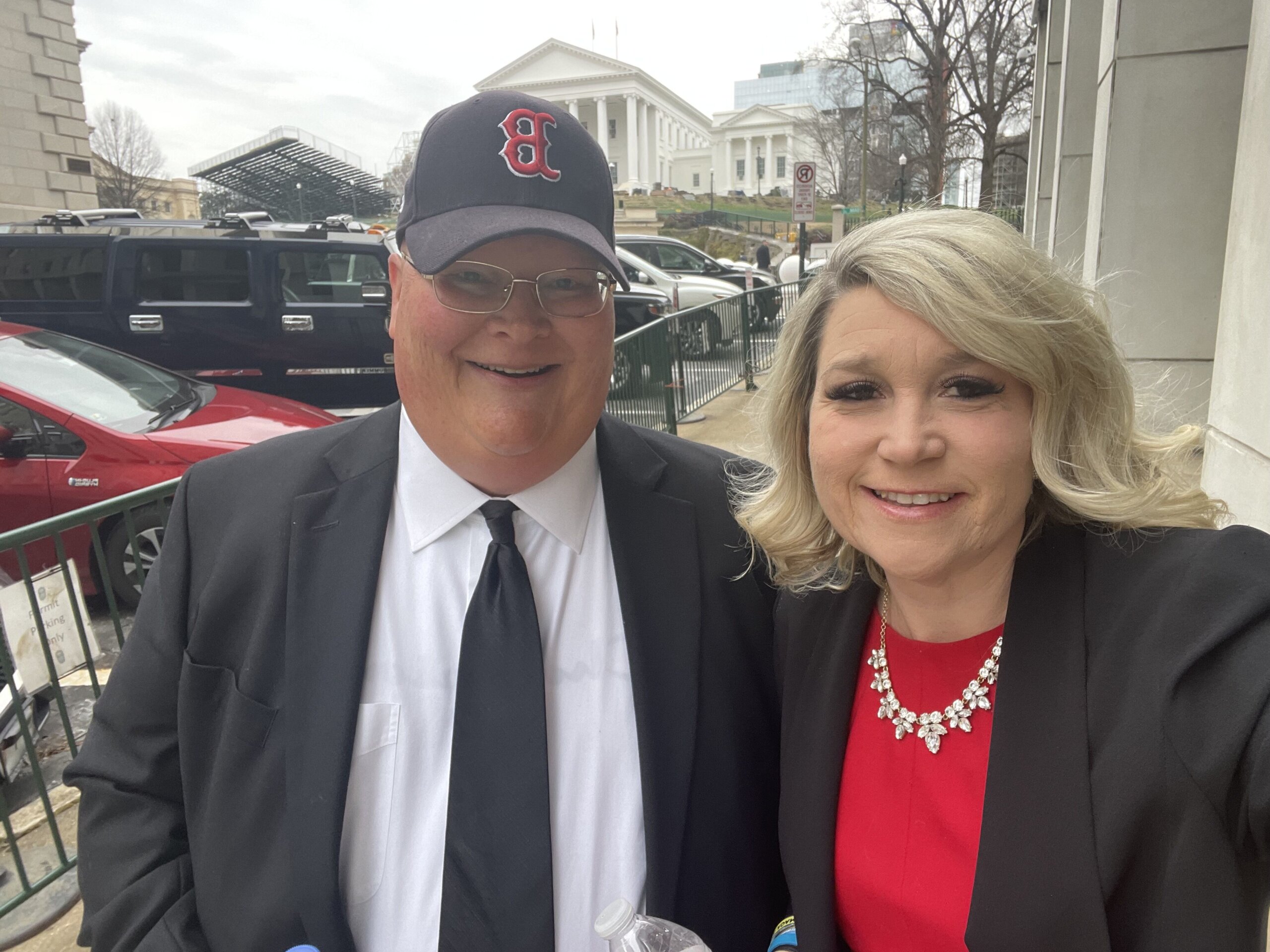
White and Adam’s father, Eric Oakes, were in Richmond for the triumphant passage of the bill.
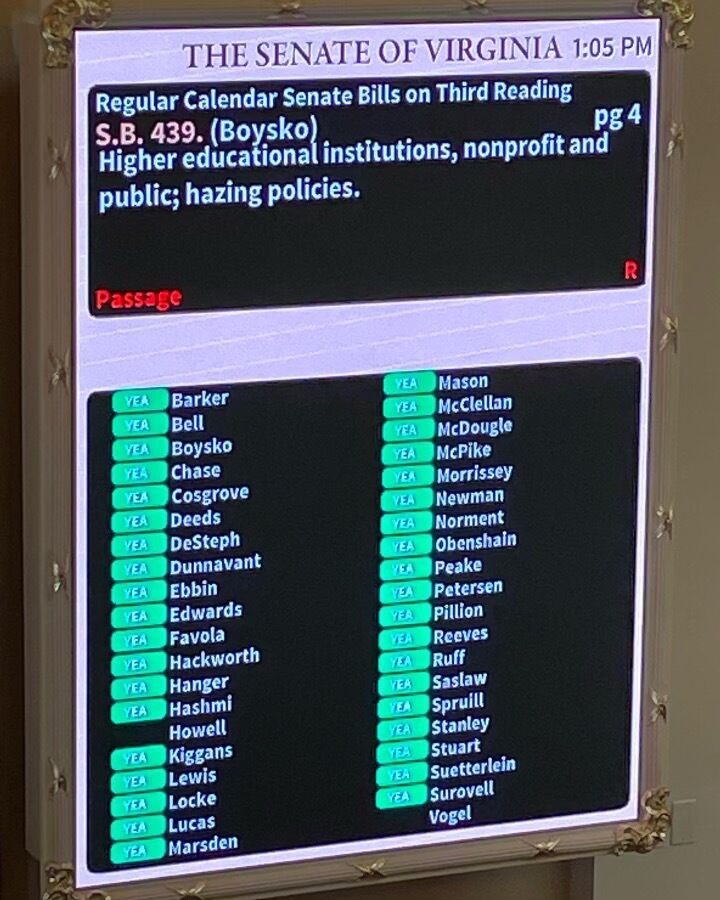
“It was actually really emotional … when you saw all those green lights on the board and it was just unanimous — 38 to nothing — everybody was in favor of this bill, it was like a little miracle,” White said.
The bill would require advisers of campus student organizations, including athletic teams, fraternities, sororities and marching bands, to undergo anti-hazing training and to share the training with members and prospective members of every group.
Adam’s Law would also require colleges and universities to make public all known incidents of hazing misconduct by student organizations.
White said that prospects for the bill are good in the House.
A companion anti-hazing measure facing votes later this session in the Senate and House is a bill that would boost the criminal penalty of up to 10 years for any hazing incident that results in a death.