Breast cancer most typically is associated with women, but mammogram screenings also are recommended for transgender women.
“They take hormones to help with the transition. Because of this hormone exposure, they are at increased risk of developing breast cancer and therefore need to be screened,” said Dr. Sarah Friedewald, Chief of Breast Imaging at Northwestern Memorial Hospital in Chicago and American College of Radiology Breast Imaging Communications Committee Chair.
“And transgender males who have not had complete removal of the breast tissue or bilateral mastectomies also need to be screened every year at 40,” Friedewald said.
Everyone with an average risk of developing breast cancer should get screened every year beginning at age 40, according to the Centers for Disease Control and Prevention.
“But, if a patient has a strong family history of breast cancer and is considered high risk for breast cancer, then not only mammography, but potentially MRI is important for the detection of breast cancer early when it’s curable,” Friedewald said.
Having a first-degree relative with breast cancer indicates someone may be at high risk, especially if that family member was pre-menopausal. First-degree relatives include a mother, sister or daughter.
“Or really any male family member that has developed breast cancer is definitely a risk factor for having the breast cancer gene or braca genes,” Friedewald said.
Emphasizing the need to get screened, Friedewald said pandemic related pauses in screenings potentially prevented 35,000 breast cancer diagnoses nationwide.
“One study suggested that more than 5,000 women may die unnecessarily in the United States over the next 10 years because of this delay,” she said.
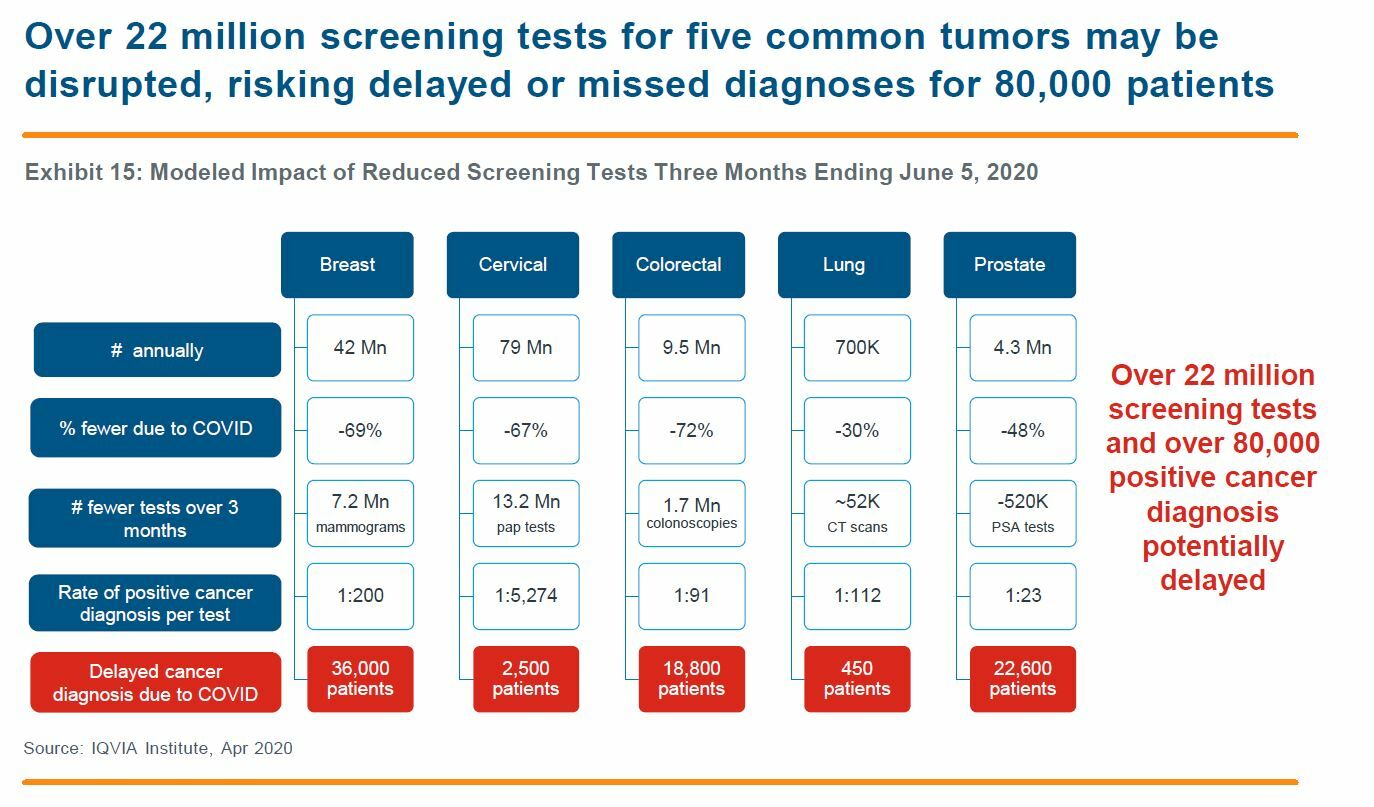
Back when COVID-19 vaccines were just becoming available, there were questions about whether people’s immune response and potential for enlargement of the lymph nodes in the underarm area might complicate mammogram readings. At that time, people were advised not to skip mammograms and the advice still holds.
“We have seen enough of these now that we are comfortable with evaluating patients who have had a recent vaccination, and therefore it should not prevent a patient from coming in and getting their mammogram,” Friedewald said.