
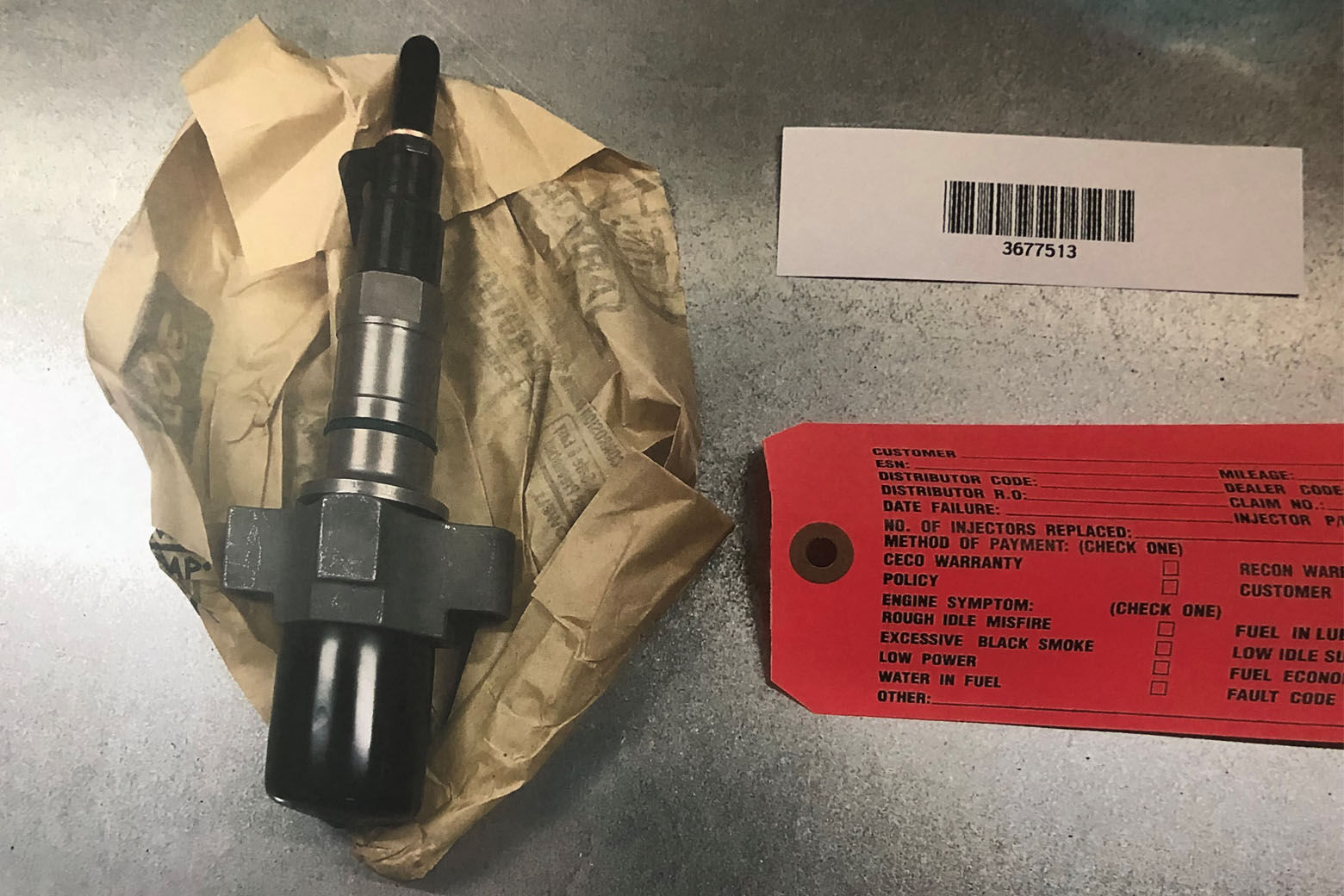
A Maryland man accused of selling bus engine parts stolen from a Metro inventory warehouse where he worked has been indicted in Prince George’s County.
David Wright, 34, of Laurel, is charged with one count of theft over $100,000 and one count of theft under $100,000.
The bus fuel injectors, valves and sensors Wright is accused of selling online are worth an estimated $155,000, according to Prince George’s County State’s Attorney Aisha Braveboy.
“We take financial crimes very seriously here,” Braveboy said Tuesday during a news conference.
Braveboy announced Wright’s indictment on Tuesday accompanied by the chief of the State’s Attorney Office’s Public Integrity Unit and the Washington Metropolitan Area Transit Authority’s Deputy Inspector General Rene Febles.
“At the time when transit systems need resources the most, every dollar needs to go where it’s intended to go,” said Febles.
Febles added, “Whenever someone is alleged to have stolen from Metro, they not only are stealing not only from the transit agency but also from the taxpayer.”
Wright no longer works for the transit agency. The alleged thefts from a WMATA warehouse in the county reportedly occurred between Dec. 1, 2018 and Jan. 31, 2019.
Braveboy said Wright would be served with a summons on Tuesday with a hearing date to be set by the court.
If convicted, Wright faces up to 20 years in prison.
Anyone with information regarding criminal activity involving Metro is asked to call 888-234-2374 or visit the inspector general’s website.