
The number of children being treated for eating disorders has risen dramatically during the pandemic, according to a Stanford University expert who has tips for families.
Dr. Neville Golden, chief of adolescent medicine and professor of pediatrics, treats patients in Stanford Children’s Health’s Comprehensive Eating Disorders Program. He said
pediatric referrals for conditions such as anorexia and bulimia more than doubled in 2020, with some of the sickest patients he’s seen over his 35-year career.
“We’ve seen patients coming in at 48% of ideal body weight; some have had profound electrolyte disturbances that have necessitated transfers to ICUs,” Golden said.
“Some have come in with binging and purging that’s out of control that resulted in very bad abnormalities in both heart rhythm and electrolytes,” he said.
Golden said it’s happening coast to coast across the U.S. and everywhere from Canada to Australia and the United Kingdom.
“It’s a global pandemic and it’s effecting all of our youth,” Golden said.
Eating disorders are about more than just food or weight, Golden said, but about the sense of loss of control. And pandemic disruptions have increased feelings of loss, anxiety and depression in teens.
Left unaddressed, eating disorders can be fatal.
Parents who believe their child might be struggling should contact their pediatricians.
“Because a pediatrician will be the person most accessible and able to identify some of the issues,” Golden said, adding that appointments with counselors might not be immediately available because of high demand.
Another thing families can do is to have regular meals together, Golden recommended.
“There is really good research that shows that regular family meals not only prevents eating disorders, but also obesity,” he said. Even a couple of times a week is helpful.
If there’s lag time waiting for an appointment for a child’s evaluation, Golden said one treatment that’s very effective and typically led by a therapist involves parents taking control of preparing and supervising meals for their children.
Golden said it’s not easy to do. Someone with an eating disorder might resist that kind of parental involvement, but parents should insist children eat regularly, even if portions are small.
“Your child should have a regular meal three times a day and two additional snacks,” he said.
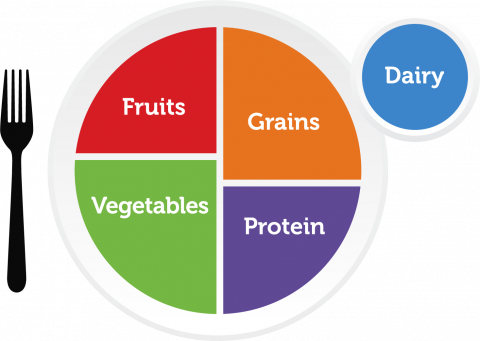
For an easy-to-understand, visual representation of what a healthy meal looks like, in addition to other information, Golden recommends you explore the My Plate website.
Signs and symptoms, risk factors and treatment options for various eating disorders can be found on the
National Institute of Mental Health website.
The National Eating Disorders Association has a helpline for support and resources for yourself or a loved one.
You can find immediate help for yourself or someone in crisis — 24 hours a day, 7 days a week — from the National Suicide Prevention Lifeline at 1-800-273-TALK.
- Sign up for WTOP alerts
- Sign up for WTOP’s coronavirus email newsletter
- Latest coronavirus test results in DC, Maryland and Virginia
- Coronavirus vaccine FAQ: What you need to know
- Latest vaccination numbers in DC, Maryland and Virginia
- Md. board scrutiny puts pause on more than $4.8M in COVID-19-related emergency contracts
- Montgomery Co. officials talk next steps on mass vaccination site; some shots next week
Looking for more information? D.C., Maryland and Virginia are each releasing more data every day. Visit their official sites here: Virginia | Maryland | D.C.