The Library of Congress is documenting the COVID-19 pandemic through a series of new collections, and is looking for photos from the public.
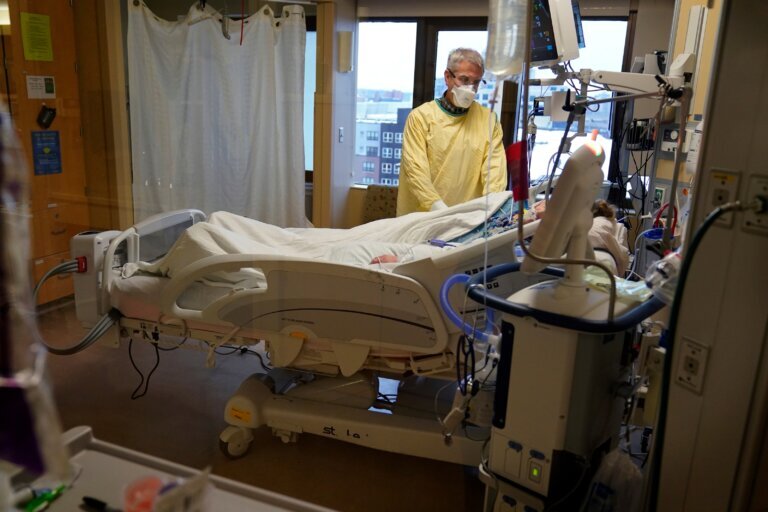
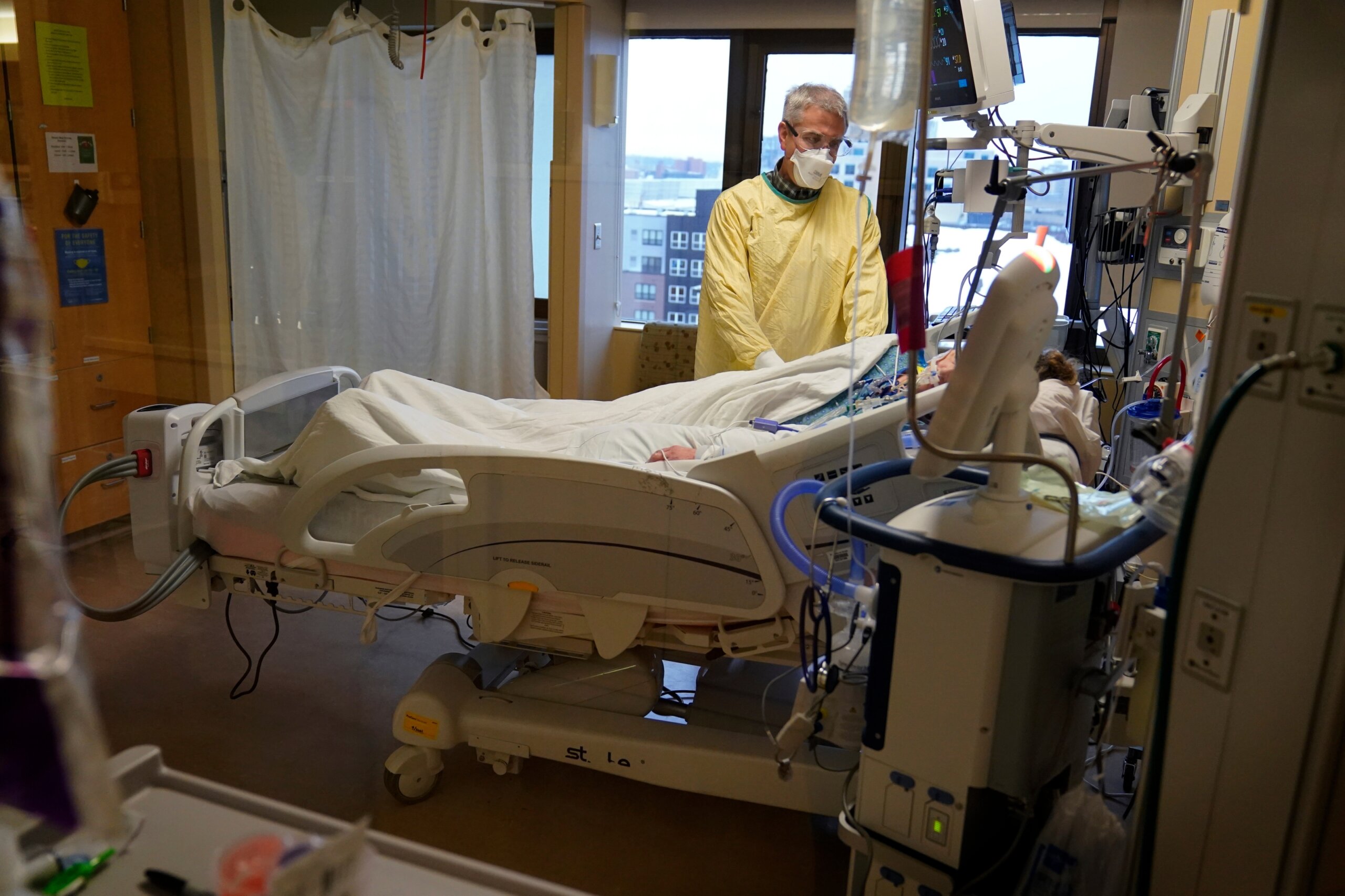
For the past year, the library has collected photographs that document the pandemic’s impact on people and communities, as well as responses from visual and performing artists, as well as examples of the rest of the world’s response.
The library is collaborating with the photo-sharing website Flickr to solicit photos. Accounts are free, and you can submit photos by going to “COVID-19 American Experiences” and asking to join the group.
The library is getting artist responses from the nonprofit Amplifier Design Lab, which issued a global open call last year for pandemic-related posters. There’s also a performing arts component, with artistic works and source materials that document the creative response to the pandemic.
The library is also mapping the pandemic by taking snapshots of data released from the Global Initiative for Sharing All Influenza Data, which aggregates data from labs around the world during pandemics, as well as analysis from platforms such as Next Strain.
And the experts in the Science, Technology and Business Division are preserving archived pandemic-related websites.
The goal, the library said, is a balanced collection of scientific material and depictions of the pandemic’s social and cultural impact on personal narratives and everyday life.
See one of the Smithsonian’s Flickr galleries below: