Norton proposes ban on permanent fencing around US Capitol

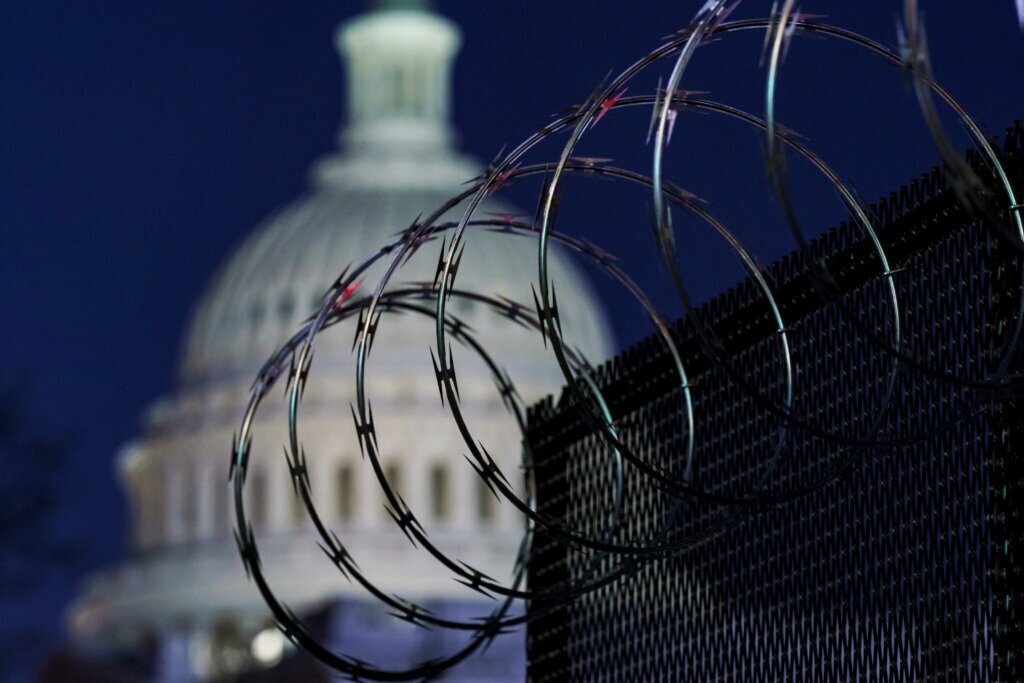
The U.S. Capitol behind a fence.
Riot fencing and razor wire reinforce the security zone on Capitol Hill. U.S. Capitol Police say they are stepping up security at Washington-area transportation hubs and taking other steps to bolster travel security for lawmakers. The moves come as Congress continues to react to Jan. 6 Capitol riot. (AP Photo/J. Scott Applewhite)

D.C.’s delegate to Congress is taking action on her opposition to permanent fencing around the U.S. Capitol.

Del. Eleanor Holmes Norton announced Monday that she would introduce legislation that bans it around the Capitol complex. Such fencing has been one idea for better securing the Capitol since last month’s attack by supporters of former President Donald Trump.

Last week in a video statement, acting Capitol Police Chief Yogananda Pittman said a security assessment of the Capitol complex is underway. But she had gone on the record about a week earlier declaring that permanent fencing is needed.

“In light of recent events, I can unequivocally say that vast improvements to the physical security infrastructure must be made to include permanent fencing,” Pittman said.

Norton calls that approach an overreaction, and said that there are more effective alternatives.

“We should not be relying on security theater based on 19th-century ideas when state-of-the-art options and old-fashioned preparation and cooperation among security forces could have prevented the events of January 6,” Norton said.

WTOP has reached out to Capitol Police for comment.
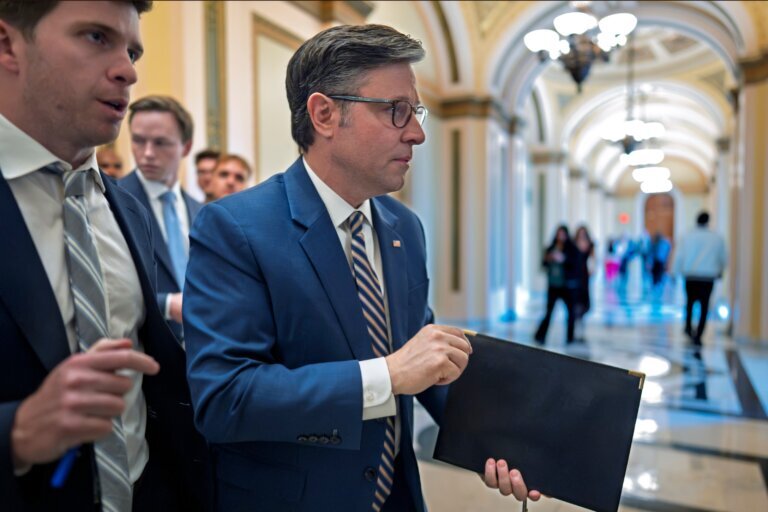
House again passes a resolution seeking to halt military action in Iran as the conflict escalates

WASHINGTON (AP) — The House on Thursday narrowly passed a resolution to halt U.S. military action in Iran, sending a warning to President Donald Trump for the second time as the war has escalated and the future of the conflict is increasingly uncertain. The 214-208 vote requiring congressional approval for the war came just before the Senate narrowly rejected a similar resolution, 47-49. Though the votes forced by Democrats are largely symbolic, they are meant as a signal to the Republican president that his support on Capitol Hill is chipping away as the war drags on and lawmakers in both parties have questioned his administration’s endgame. The war has had “no clear mission, no strategy, no end goal,” said Washington Rep. Pramila Jayapal, a Democrat who led the resolution on the House floor. The House resolution passed after a handful of Republicans voted with Democrats to end the war. But the vast majority of Republicans in both chambers voted to back the war and cede congressional war powers to Trump.
Read Next Story