
MGM jumps on new indoor dining limits

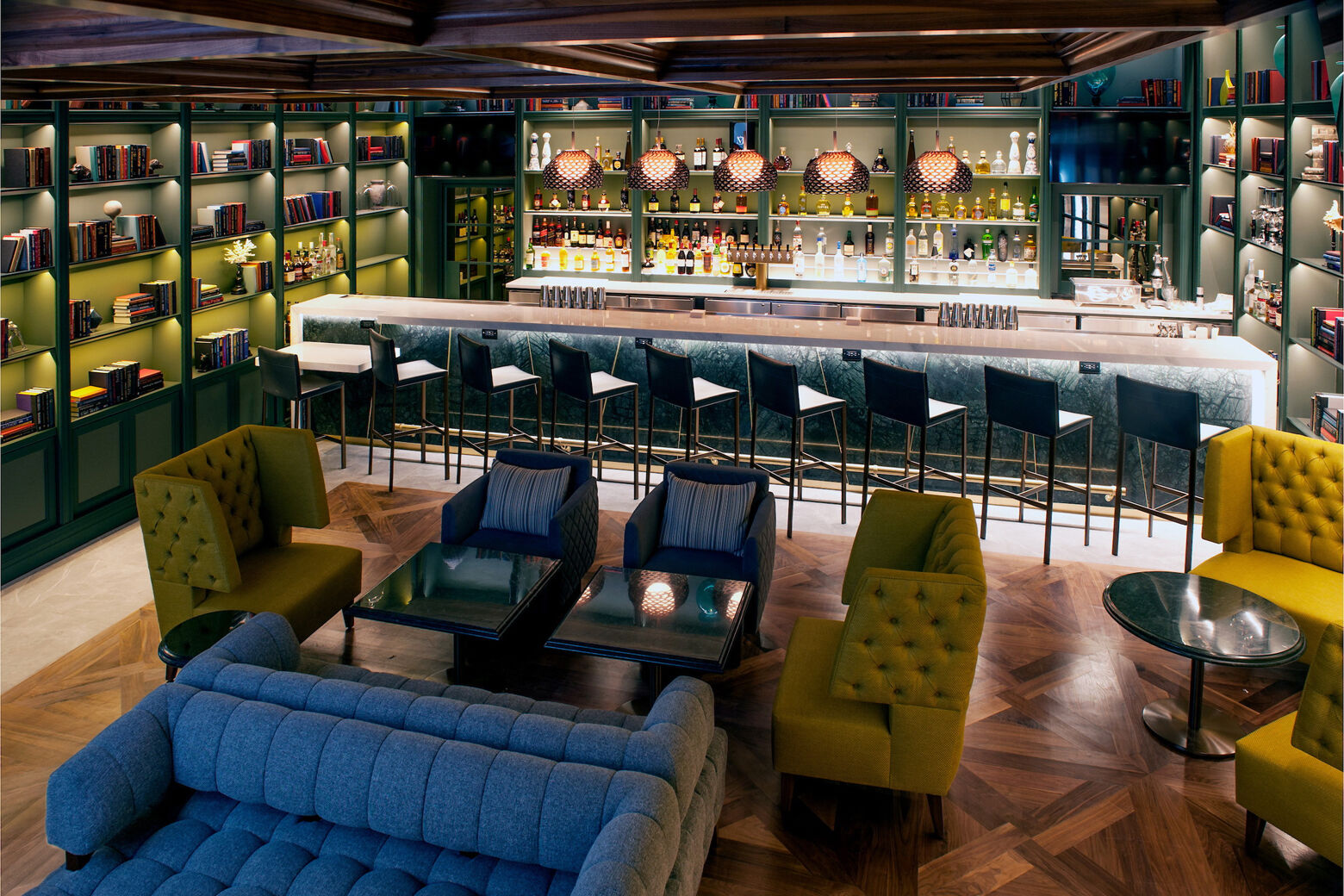
Interior of the Voltaggio Brothers Steak House.
The Voltaggio Brothers Steak House is one of the MGM National Harbor restaurants that have reopened in Prince George’s County, Maryland. (Courtesy: MGM National Harbor/Robb Scharetg)

MGM National Harbor, hit hard in December by new restrictions on capacity, is wasting no time getting its restaurants reopen amid the coronavirus pandemic.

With Prince George’s County lifting the ban on indoor dining effective Friday, six of MGM’s restaurants will reopen immediately. Capacity of the restaurants, as well as the casino floor, is limited to 25%.

When new restrictions were put in place in December, cutting MGM’s casino capacity from 50% to 25%, gaming revenue suffered, falling 22.5% from a year earlier to $48.5 million.

It was a reversal for MGM and most of Maryland’s other casinos, which had actually returned to near-normal gaming revenue levels only months before, despite a 50% capacity limit.

MGM National Harbor restaurants that are open again:

  • Voltaggio Brothers Steak House
  • Ginger
  • Bellagio Patisserie
  • Saigon Street
  • National Market
  • Shake Shack

Indoor food and beverage service at MGM National Harbor, including cocktail service on the casino floor, will cease nightly at 10 p.m.

MGM National Harbor, which marked its fourth anniversary last month, was forced to permanently cut its workforce by 25%, or roughly 780 jobs in August.

The casino and hotel remains one of the largest employers in Prince George’s County.

Massachusetts court hears arguments in lawsuit alleging Meta designed apps to be addictive to kids

BOSTON (AP) — Massachusetts' highest court heard oral arguments Friday in the state's lawsuit arguing that Meta designed features on Facebook and Instagram to make them addictive to young users. The lawsuit, filed in 2023 by Attorney General Andrea Campbell, alleges that Meta did this to make a profit and that its actions affected hundreds of thousands of teenagers in Massachusetts who use the social media platforms. “We are making claims based only on the tools that Meta has developed because its own research shows they encourage addiction to the platform in a variety of ways,” said State Solicitor David Kravitz, adding that the state's claim has nothing to do the company's algorithms or failure to moderate content. Meta said Friday that it strongly disagrees with the allegations and is “confident the evidence will show our longstanding commitment to supporting young people.” Its attorney, Mark Mosier, argued in court that the lawsuit “would impose liabilities for performing traditional publishing functions” and that its actions are protected by the First Amendment.
Read Next Story