People may be gaining weight nowadays, for lots of reasons — but a Maryland family medicine specialist has tips to help reduce your risk for developing Type 2 diabetes.
“Reducing your risk in general is important, but particularly now during the pandemic, when we know diabetes can impair your immune system,” said Dr. Kwame Akoto, at Kaiser Permanente in Baltimore.
Diabetes increases risk for major health complications such as stroke, heart attack, kidney failure and vision loss. “Really, things that will impact your quality of life going forward as well as your longevity in general,” Akoto said.
He believes the best approach to better health is to make it a habit.
Establish a time to plan everything out like you do with other things in life, such as paying bills, doing laundry or organizing activities with the family.
“Plan out your lifestyle interventions for your health,” Akoto said.
Plan out meals you’ll have during the week and what drinks you’ll have. Set aside times to exercise and a time to go to bed. Akoto said getting an adequate amount of sleep plays an important role in weight management and blood sugar.
“I think we all get a little discouraged too easily,” Akoto said, recommending people explore the countless tools, apps and resources that are available online and elsewhere.
A fitness app can remind you to exercise and help you stay accountable. A meal tracking app can let you know calories consumed and types of food eaten, and recommend what you might want to eat more or less of in the big picture, which Akoto said is more difficult than tracking day-to-day.
When working to establish or return to healthier habits, try to focus on the things that you can change. Akoto said you’re more likely to have success by making healthier choices overall versus following some regimented diet.
“In preventing diabetes, you want to look at things like limiting high-carb meals, and trying to replace those with foods that are high in lean protein and fiber, which slow down how sugar absorbs in your stomach and helps avoid big spikes in your blood sugar,” Akoto said.
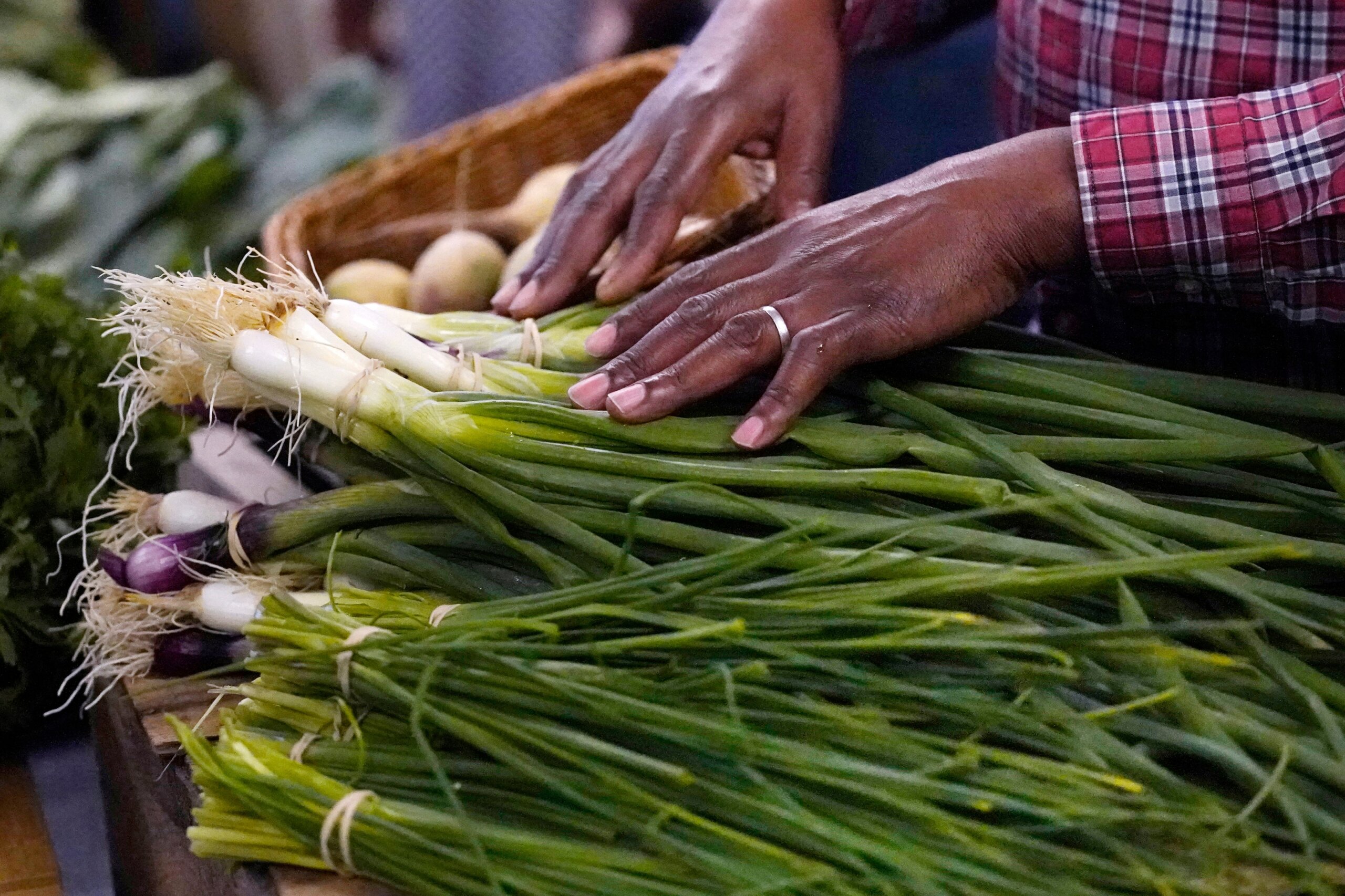
For example, you could exchange foods such as white rice, pasta and potatoes for high-fiber options such as brown or wild rice, wheat or veggie pasta, or sweet potatoes.
Also, remember you don’t need a gym to exercise when you can use a workout app on your phone or find guidance online.
“You can do yoga, aerobics, resistance exercises at home with things like bands, light weights, crunches and body weight exercises,” Akoto said.
The goal is 150 minutes of exercise a week, however you get it.
“You can split it up 30 minutes, five days a week, or 75 minutes twice a week, whatever works for you,” Akoto said. “As long as it’s active and keeps your body moving.”
There’s a genetic component to developing diabetes, so family history can put you at higher risk. Other factors include high blood pressure, as well as being older and inactive, overweight or obese.
With the pandemic, Akoto encourages you to be even more vigilant about your health now; don’t delay care, and stay in regular contact with your medical teams.
- Sign up for WTOP alerts
- Latest coronavirus test results in DC, Maryland and Virginia
- US panel to decide who should get the first COVID-19 shots
- Fauci stresses do’s and don’ts of virus safety as cases expected to continue rising
- How to watch out for scams as a coronavirus vaccine nears
Looking for more information? D.C., Maryland and Virginia are each releasing more data every day. Visit their official sites here: Virginia | Maryland | D.C.