Babies born in the fall have a higher risk of developing allergies, according to researchers at National Jewish Health. They believe it may be triggered by some forms of bacteria that are more common in the fall months entering babies’ skin.
The findings are published in “The Journal of Allergy and Clinical Immunology: In Practice.”
Infants with eczema often go on to develop food allergies, asthma and hay fever in a reaction known as the atopic march.
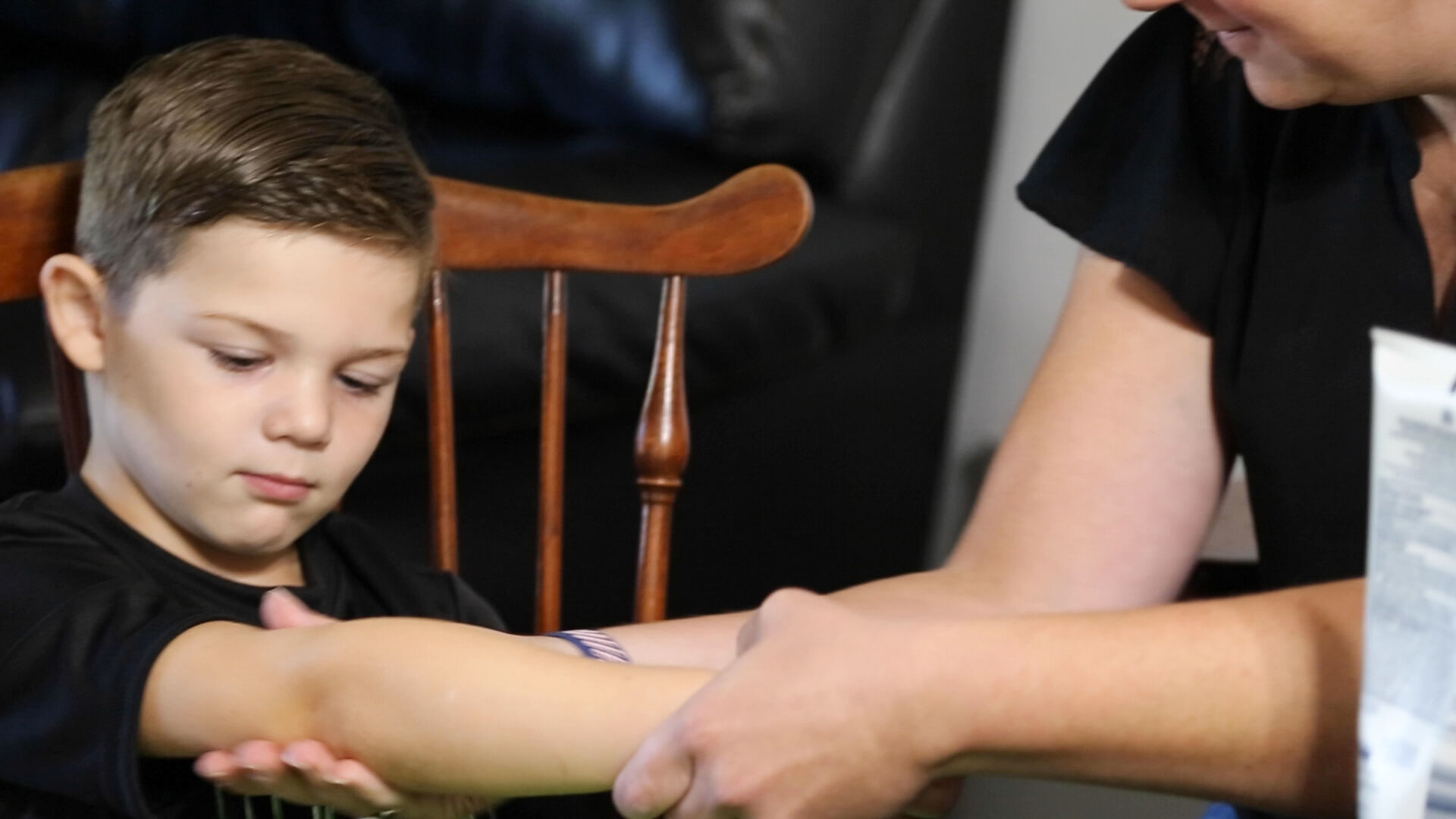
“It’s a phenomenon that we see in the allergy world where, classically, infants first develop eczema — they have itchy, red patches of dry skin,” and that allows allergens and pathogens to go through the broken skin barrier, said Dr. Jessica Hui at National Jewish Health.
So, what can parents do to help reduce the risk that their kids will develop allergies?
“Some easy interventions that you can do right after the baby is born is, after you give the baby a bath, you put on a thick cream that’s fragrance free and make sure the baby’s skin stays nice and smooth and healthy,” Hui said.
“[That ensures] that their skin barrier stays intact and different allergens and things like that won’t penetrate into the skin,” she said.
A clinical trial underway now at the National Jewish Health facility in Denver is trying to explain what leads to babies having weakened skin barriers and what it might take to stop the chain reaction of subsequent development of various allergic conditions.
The focus is on mothers before they give birth and includes everything from environmental factors to genetics.
“What her diet is, how many courses of antibiotics she’s had during her pregnancy,” Hui said. “And we’re doing some skin analysis of her skin barrier and then after the baby is born, we’re going to follow the baby.”
Hui said there are plans for an upcoming multi-institutional effort to explain why food allergies, eczema and asthma are on the rise and determine factors that contribute to the development of allergies. “This is a really hot topic,” Hui said.
It’s believed food allergies impact more than 4 million — about 1 in 13 — children in the U.S. Nearly 10 million children are impacted by eczema that can persist into adulthood.