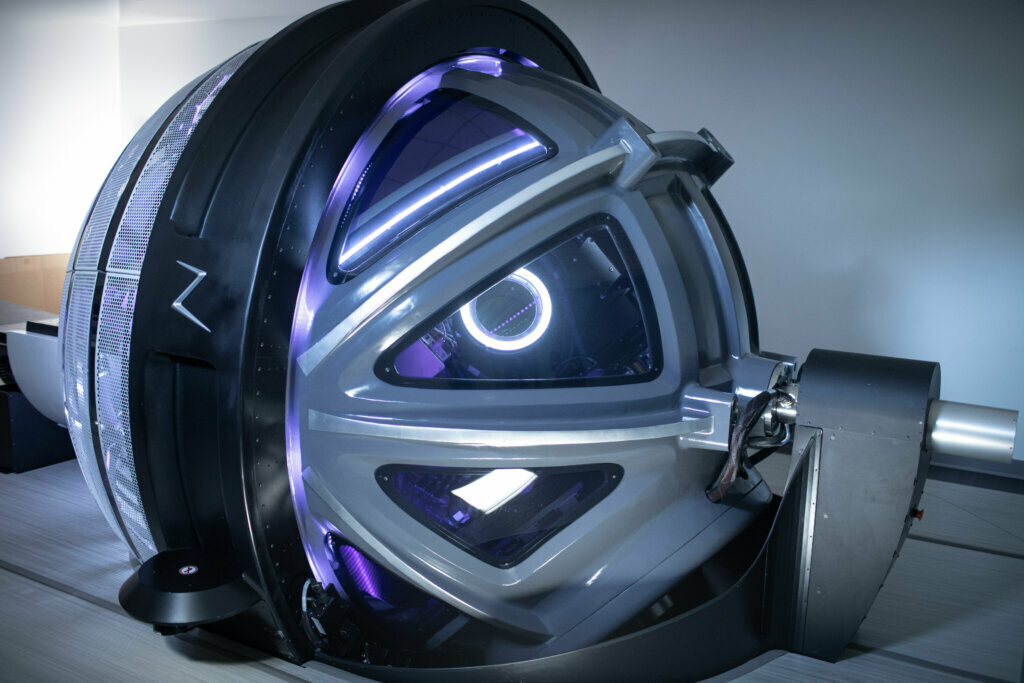
The MedStar Georgetown Cancer Institute has treated the first patient on the East Coast with a new nonsurgical radiation therapy for brain tumors, the hospital said Friday.
Doctors treated Largo, Maryland, resident Patricia June with the Zap-X Gyroscopic Radiosurgery for tumors that appeared in her brain after fighting breast cancer in 2006.
The Zap-X “uses gyroscopic motion to direct radiosurgical beams from hundreds of angles to precisely pinpoint radiation to both cancerous tumors and benign conditions in the brain.”
Healthy brain tissue is spared.
“For many primary and metastatic brain tumors, noninvasive stereotactic radiosurgery (SRS) is proven to be as effective as surgery,” Dr. Brian Collins, medical director at Radiation Medicine at MedStar Georgetown University Hospital, said in a news release. “Zap-X is an outpatient procedure with no surgical incision and little to no recovery time for patients.”
Dr. Andrew Satinsky, clinical director of Radiation Oncology at the MedStar Georgetown Cancer Institute at MedStar Southern Maryland, praised the new machine.
“The ability to offer this technology to the people of southern Maryland, in combination with access to NCI-designated care and cancer clinical trials through our research partners at Georgetown Lombardi Comprehensive Cancer Center, provides access to the latest high-level treatments close to home. There’s never been anything like this in our region before,” Satinsky said. “We are grateful to the teams from Zap Surgical who helped us get this center open so we could begin to safely treat our patients with this amazing technology.”
MedStar Southern Maryland Hospital Center is now the second site in the U.S. to offer the treatment.
More information on Zap-X is available online.