
Maryland casinos are actually doing well

MGM National Harbor
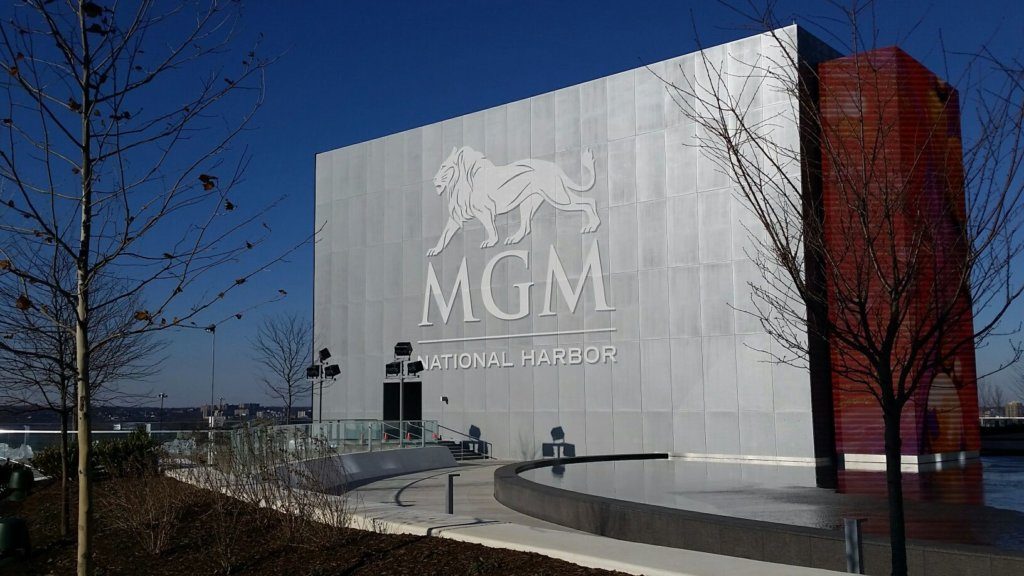
MGM National Harbor, the largest of the six casinos which just cut its workforce by 25%, had $59.7 million in August gaming revenue, down 4.3% from a year ago. (WTOP/File Photo)

Despite operating at 50% capacity, Maryland’s six casinos generated $150 million in gaming revenue in August.

That is down just 3.1% from last August, when there were no restrictions on the number of guests, and it is actually the eighth-best monthly gaming revenue for Maryland’s six casinos ever.

August was the second full month for Maryland’s casinos, which reopened late-June after closing in mid-March due to COVID-19 restrictions.

MGM National Harbor, the largest of the six casinos which just cut its workforce by 25%, had $59.7 million in August gaming revenue, down 4.3% from a year ago.

Live! Casino & Hotel had $52.5 million in August gaming revenue, down just 1% from last August. Baltimore’s Horseshoe Casino’s August gaming revenue was $16.8 million, down 8.1% from a year ago.

Two casinos actually had better numbers than last August. Gaming revenue at Hollywood Casino was up 6% from a year ago and Rocky Gap Casino’s August gaming revenue was up 15%.

Ocean Downs August gaming revenue was down 13.4% from last August.

Contributions from casinos to the state of Maryland totaled $60.8 million, including $47.4 million for the state’s Education Trust Fund.

Temperature screenings at all six casinos are being conducted at the door, and the casinos all have social distancing and sanitizing procedures, including a face mask requirement for both patrons and employees.

Massachusetts court hears arguments in lawsuit alleging Meta designed apps to be addictive to kids

BOSTON (AP) — Massachusetts' highest court heard oral arguments Friday in the state's lawsuit arguing that Meta designed features on Facebook and Instagram to make them addictive to young users. The lawsuit, filed in 2023 by Attorney General Andrea Campbell, alleges that Meta did this to make a profit and that its actions affected hundreds of thousands of teenagers in Massachusetts who use the social media platforms. “We are making claims based only on the tools that Meta has developed because its own research shows they encourage addiction to the platform in a variety of ways,” said State Solicitor David Kravitz, adding that the state's claim has nothing to do the company's algorithms or failure to moderate content. Meta said Friday that it strongly disagrees with the allegations and is “confident the evidence will show our longstanding commitment to supporting young people.” Its attorney, Mark Mosier, argued in court that the lawsuit “would impose liabilities for performing traditional publishing functions” and that its actions are protected by the First Amendment.
Read Next Story