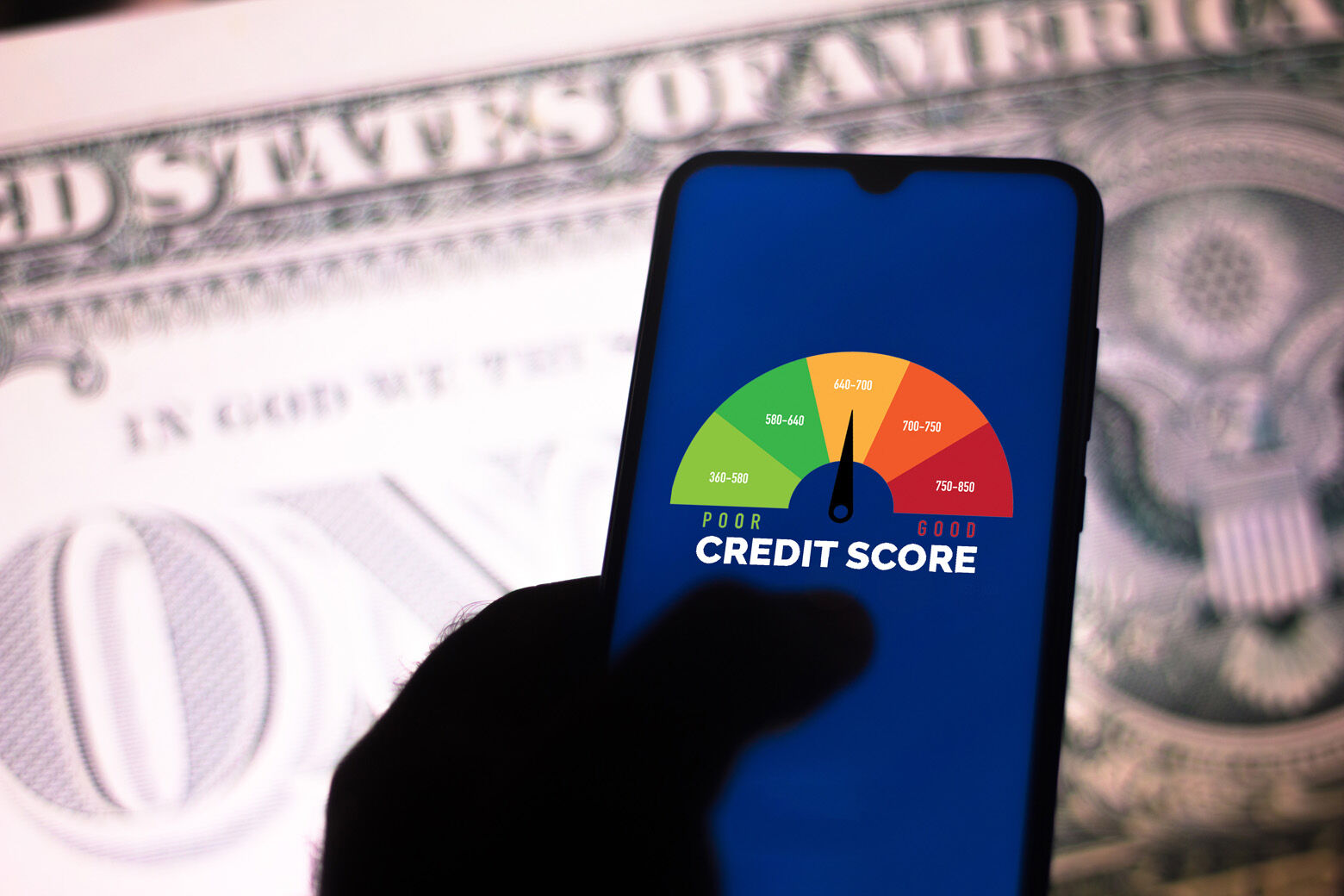
FICO, the largest credit scoring service in the nation, has rolled out a new consumer credit scoring formula called the FICO Resilience Index.
The purpose of the index is not to rely fully on reviewing a borrower’s past credit history, but to focus on metrics that lenders can use to predict a borrower’s ability to weather a financial downturn.
“They already know how you’ve done in the past. What they really want to do now is predict your future,” Ted Rossman, an industry analyst at CreditCards.com, told WTOP.
“So they are going to look more at things like your credit utilization, the length of your account history, how many accounts you have had, and how long accounts have been open. They are going to use those factors to try to predict the future,” he said.
The Resilience Index is meant to be used as a companion to standard credit reports, and could serve as a sort of “tiebreaker” if a loan approval based on typical lending standards is on the fence.
It can also be used to determine credit line increases or decreases, at a time when lenders have become nervous about risk because of job losses and the general economic downturn caused by the coronavirus pandemic.
Credit utilization, the difference between your available credit and how much of it you’ve used, is heavily weighted in both the Resilience Index and in standard credit reports.
Even if you diligently pay your credit card balances in full each month, the amount you are charging can still negatively effect your score.
“If somebody makes $4,000 in charges throughout the month and they have a $5,000 limit, that 80% utilization is really high. And in that sense, the system is not going to know if you pay in full or not. It is just going to show that you use that card a lot,” Rossman said.
He suggests that consumers who frequently use credit cards — such as for everyday expenses to earn rewards — make an additional payment halfway through the billing cycle to keep their utilization rate low.
- Sign up for WTOP alerts
- Latest coronavirus test results in DC, Maryland and Virginia
- Layoffs stuck at high level as 1.3 million seek jobless aid
- Free legal advice for Northern Va. small businesses struggling due to COVID-19
- Coronavirus FAQ: What you need to know
- Coronavirus resources: Get and give help in DC, Maryland and Virginia
Looking for more information? D.C., Maryland and Virginia are each releasing more data every day. Visit their official sites here: Virginia | Maryland | D.C.