JPMorgan Chase &Co. is committing $1 million to aid struggling minority-owned businesses as a result of the coronavirus pandemic in D.C. and Baltimore.
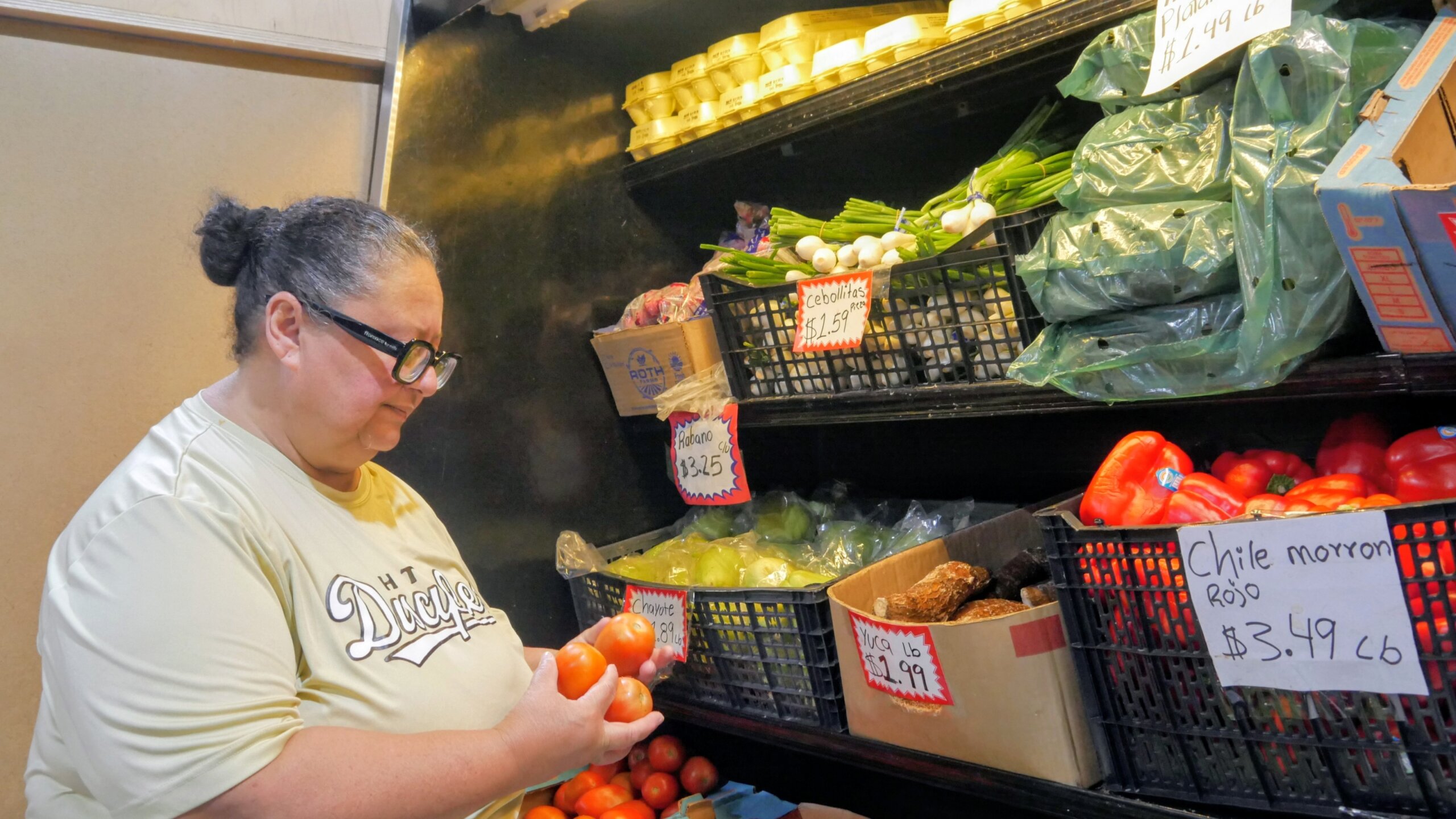
Chase will provide $400,000 to the Latino Economic Development Center in D.C., to help small businesses access local, state and national resources, to provide technical assistance and to provide zero percent interest bridge loans.
It is giving another $600,000 to Harbor Bank of Maryland Community Development Corporation in Baltimore. That money will support a joint venture between Harbor Bank and Combs Enterprises, led by Sean “Diddy” Combs.
“The COVID-19 crisis is disproportionate impacting underserved people and vulnerable small businesses in the Greater Washington region,” said Alexis Bataillon, head of market strategy in the Mid-Atlantic for JPMorgan Chase.
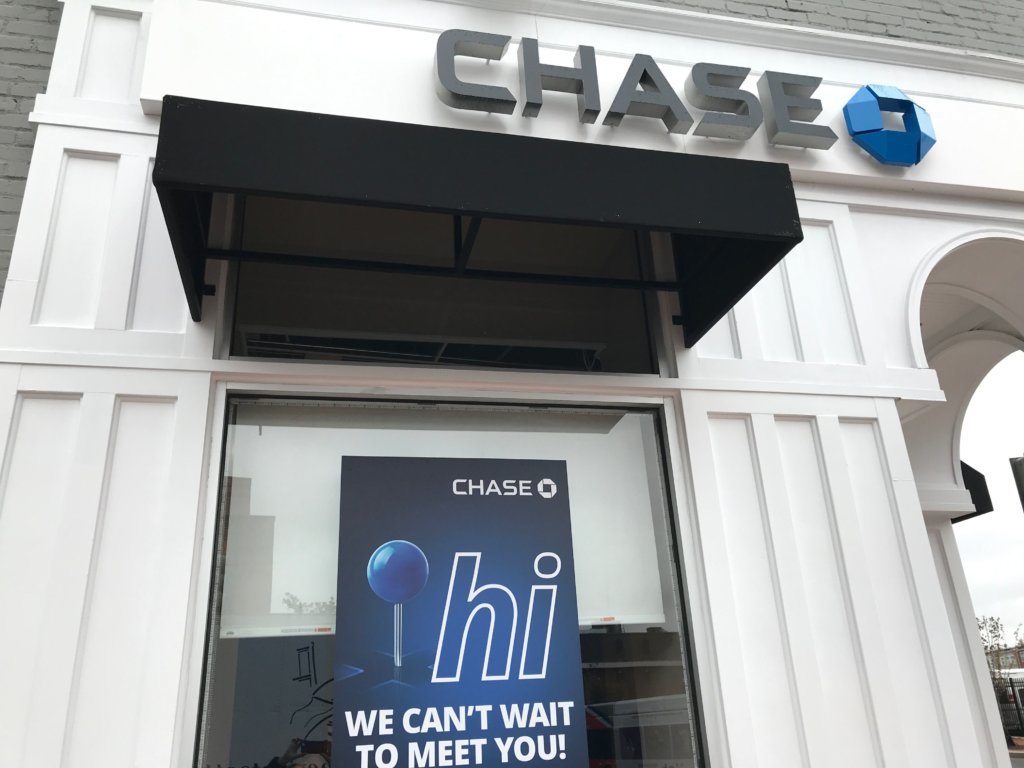
Chase Bank opened its first retail banking branch in D.C. in 2018, with a pledge of $4 billion in regional home and small businesses lending.
It plans to open 70 branches in the D.C. and Baltimore areas, employing 700. At least 20% of the branches will be in low-income and moderate-income communities, including Wards 7 and 8 in D.C., Prince George’s County and neighborhoods in Baltimore.
JPMorgan also committed to a $25 million, five-year philanthropic program for local economic growth.
- Sign up for WTOP alerts
- Latest coronavirus test results in DC, Maryland and Virginia
- Northern Virginia prepares for cautious reopening
- DC-area members of Congress urge cancellation of July 4 military parade
- DC reports no new coronavirus deaths, 13 days of downward trend in community spread
- Coronavirus FAQ: What you need to know
- Coronavirus resources: Get and give help in DC, Maryland and Virginia