Faith leaders are stressing the need for a cautious approach to reopening churches after President Donald Trump declared places of worship “essential” during the pandemic and said he’d override governors if they didn’t allow in-person services.
“Let me be very honest, I think the President’s push was clearly political maneuvering. Most churches never considered ourselves to be closed. We are all simply out of our buildings,” the Rev. Franklyn Richardson, chairman of the board of the Conference of National Black Churches, told CNN Sunday.
“We are out of the buildings because our people are important.”
The thrust to reopen churches has become just the latest debate in the coronavirus culture wars. In announcing on Friday that his administration would be issuing guidance deeming places of worship “essential,” Trump called on governors to reopen religious institutions for services.
The President even threatened to “override” governors if their states did not follow the new federal recommendations, though it’s unclear what authority he was referring to. The recommendations, released by the Centers for Disease Control and Prevention later on Friday, are voluntary.
“Some governors have deemed liquor stores and abortion clinics essential but have left out churches and houses of worship. It’s not right. So I’m correcting this injustice and calling houses of worship essential,” Trump said during his announcement at the White House.
But prominent faith leaders are striking a different tone — emphasizing a reopening process dictated by science while promoting virtual worship as a safe alternative in the meantime.
The Evangelical Lutheran Church in America’s presiding bishop, the Rev. Elizabeth Eaton, told CNN Sunday, “I’ve heard even from some in my own denomination that it’s a faith versus fear, and that’s just a false dichotomy. Protecting others is a faithful response.”
God, she said, “has given us the gift of science and I’m urging my congregations, my pastors and deacons to be guided by CDC guidelines. We’ve issued guidelines for gradually coming back to in-person worship and to pay attention to state and local governors and mayors.”
Those comments were echoed by the Rev. Terri Hord Owens, general minister and president of the Disciples of Christ, who said Sunday she is “in no way prepared to rush that process” of reopening in-person services.
“I think we need to have more testing. We need to have treatment and vaccines available and we’re encouraging our congregations simply to pay attention to the science — to think carefully about what would be involved to ensure protocols to keep everybody safe,” she said.
Large gatherings, like those in houses of worship, have been linked to clusters of coronavirus. This month, two churches in northern California linked the spread of coronavirus among church members and clergy to Mother’s Day services. A Texas church recently canceled its masses after one of its priests died and five others subsequently tested positive for coronavirus.
And while Trump has lamented that virtual religious services aren’t the same as in-person ones, congregations across the country have proven adept at collaborating on virtual events during the pandemic.
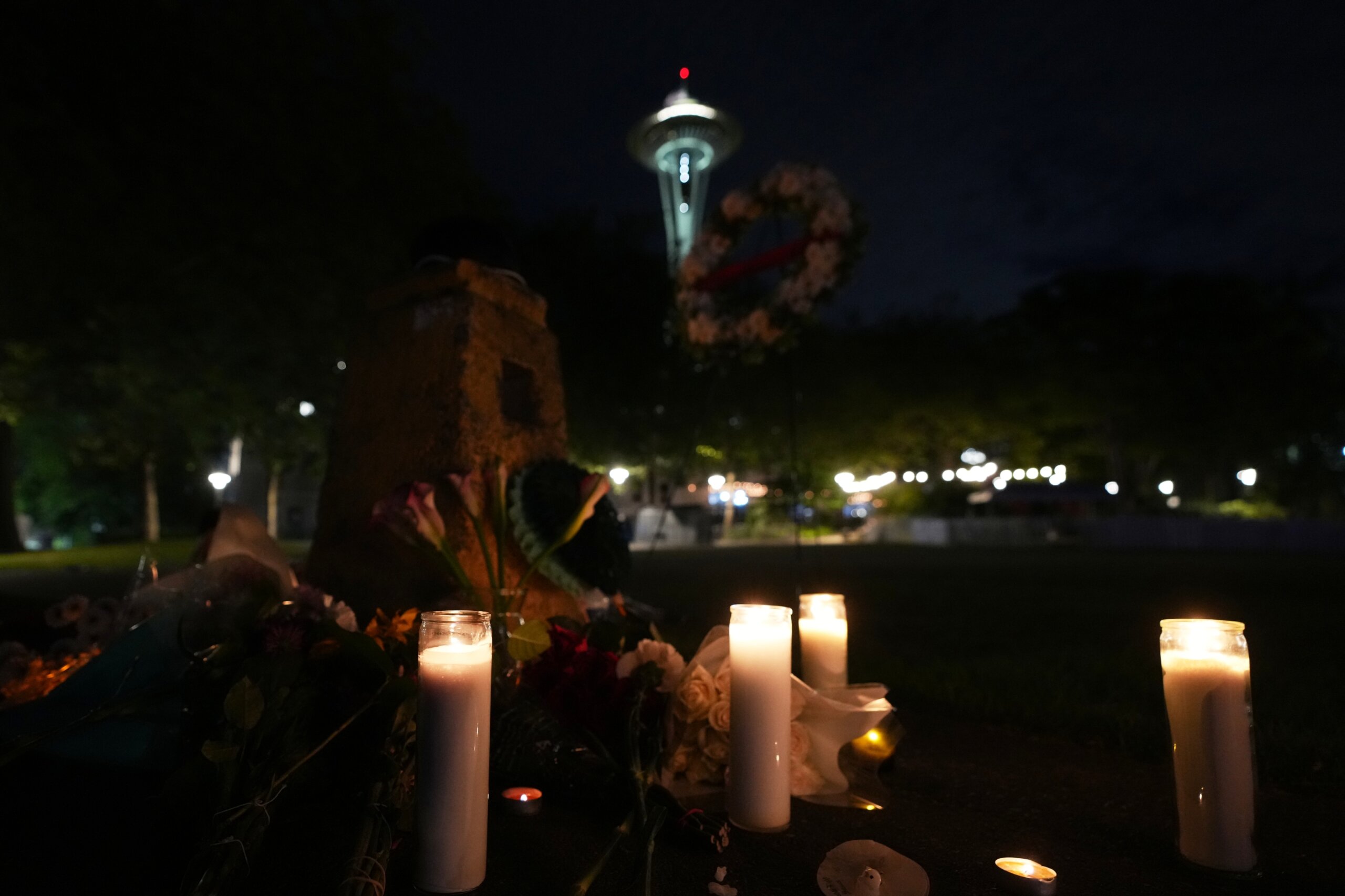
On Sunday evening, thousands of churches joined for virtual memorial service to honor the victims of Covid-19.
The event — which Richardson, Eaton and Owens all participated in — was organized through the National Council of Churches and streamed on social media.
“We’ve just all become committed to doing whatever it is that we need to do to make these kinds of events happen from local congregations to this kind of national service,” Owens said of the virtual service, which featured a running list of people who have died from the coronavirus.
“And so I think as we see the needs develop, people are just really committed to making sure that we address the needs and, and be creative in how we do that.”