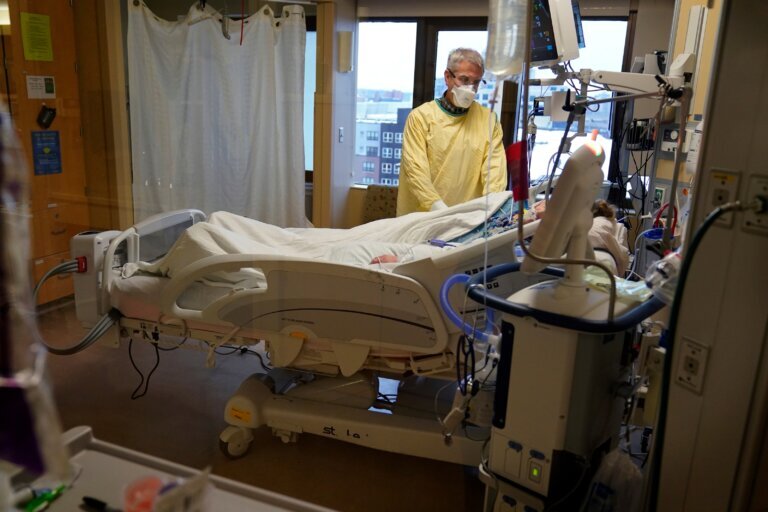
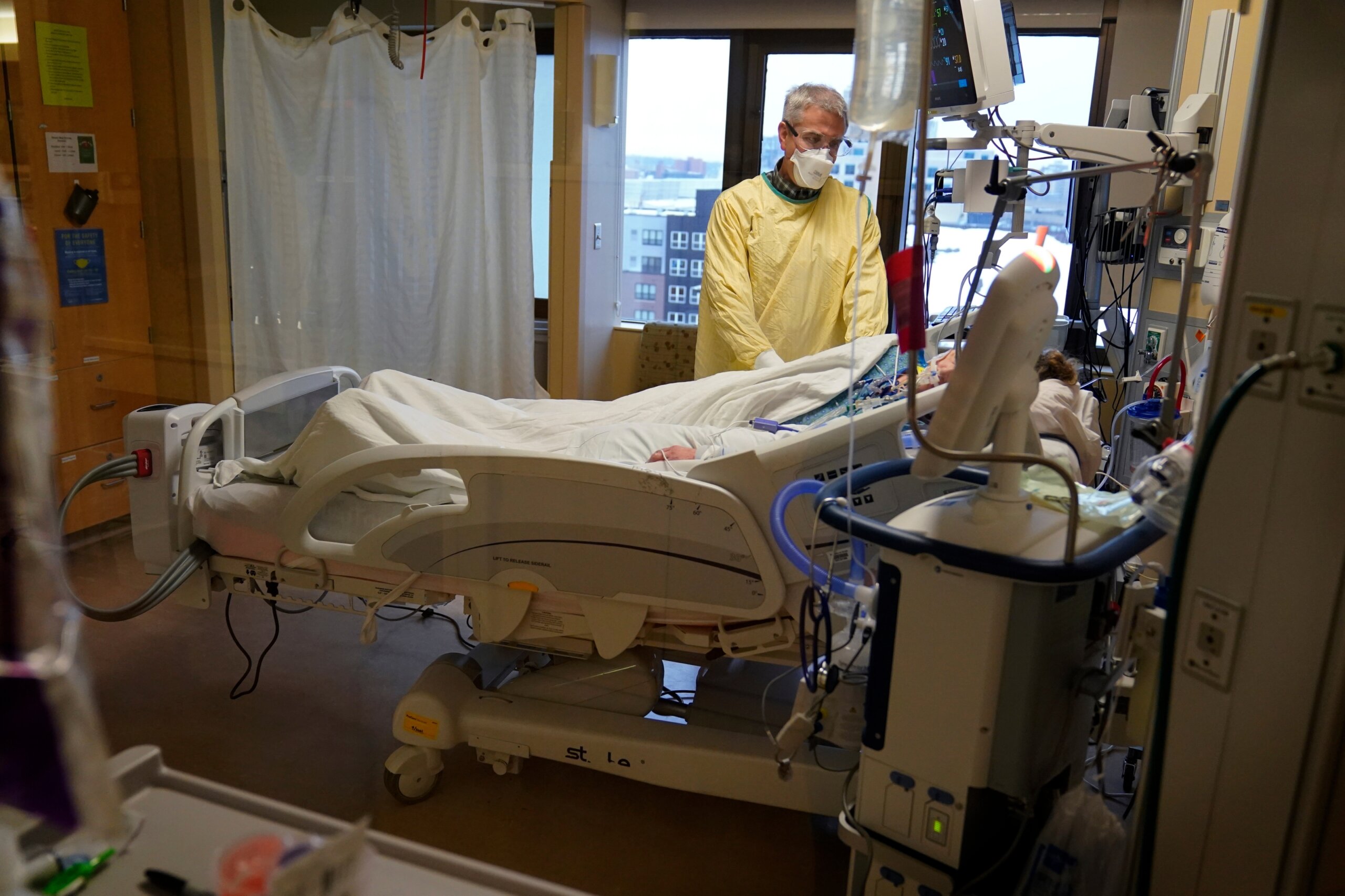
During the coronavirus pandemic, those who lose loved ones often find themselves unable to say goodbye in person as hospital visitors are limited.
Lending an ear to those who lost a loved one during the pandemic is one of the most important steps to helping family and friends navigate grief at this time, according to Dr. Neeraj Mendiratta, service chief in the Mid-Atlantic Permanente Medical Group, which cares for Kaiser Permanente patients.
“A lot of what family members that have lost a loved one are looking for is closure,” Mendiratta said.
He said getting closure is especially hard with funerals and religious ceremonies being canceled or greatly limited to adhere to social distancing guidelines.
His advice is to offer to be there.
“Schedule a time that you’ll call them on a regular basis and talk to them. That’s sometimes so much more important than sending flowers or sending food,” Mendiratta said.
He said that it’s been a big change for medical professionals as well to try to connect seriously ill patients with their family.
They’ve been scheduling check-up phone and video calls throughout the day to keep families updated.
“We try to have the same doctors and the same nurses as best of possible reach out to the family members several times a day. It really sets that assurance to the entire team that someone is there,” Mendiratta said.
He said being able to connect loved ones with their friends and family in the hospital can be beneficial for everyone involved.
“It’s really satisfactory not only for the patients but for the people who are providing the care,” Mendiratta said.
- Sign up for news alerts from WTOP
- What coronavirus Phase 1 reopening looks like around the DC area
- Md. COVID-19 hospitalizations at 3-week low as state begins emerging from lockdown
- Latest coronavirus test results in DC, Maryland and Virginia
- Coronavirus FAQ: What you need to know
- Coronavirus resources: Get and give help in DC, Maryland and Virginia