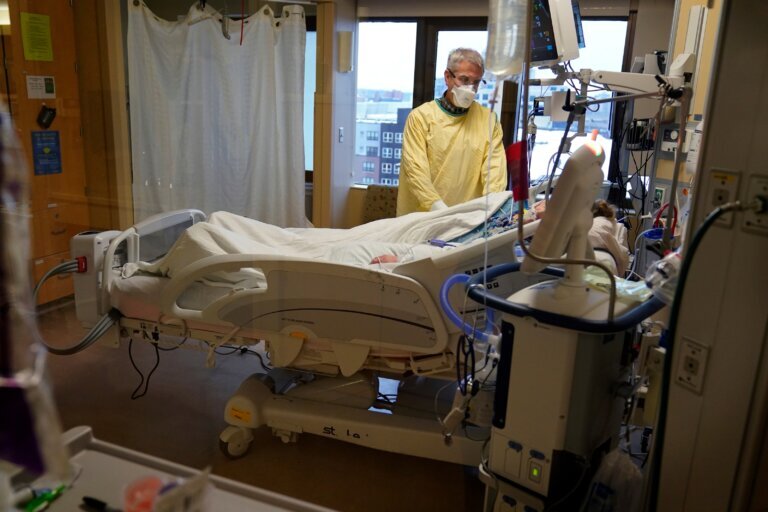
COVID-19 tends to hit people harder if they have serious heart conditions, and doctors warn that they should be extra cautious even to the point of not leaving their homes.
People with coronary artery disease, congestive heart failure or congenital heart disease need to be most concerned, according to Dr. William B. Borden, chief quality and population health officer at The George Washington University Medical Faculty Associates.
“People with these serious heart conditions should really consider not leaving the house, taking extra precautions, making sure that they have ways that they can get food and medicines, and other things they need as cautiously as possible,” Borden said.
And, really pay close attention to things such as hand washing and other contacts you might have, he said.
Borden emphasized that heart patients who develop symptoms such as fever, cough, shortness of breath, and of loss of taste or smell should contact their doctors right away and not hesitate to seek emergency care.
“If you do have serious concerns, if you’re feeling chest pain or severe shortness of breath — it is OK to call 911, it is OK to go to the emergency department,” Borden said.
He stressed that medical facilities have safety processes in place, particularly now.
“With heart disease, as with any condition, don’t let fear of COVID-19 get in the way of you managing your health condition,” he said.
Borden also has advice for people with high blood pressure or high cholesterol: “Still take precautions, but it’s not to the same degree that people who have more serious heart conditions like prior heart attacks or congestive heart failure need to take,” he said.
Additional advice for people undergoing heart health care:
- Keep in touch with your doctor.
- Watch your diet.
- Exercise.
- Avoid cigarettes.
- Make sure you have enough of your medicine.
- Continue taking your medicines.
“I know there’s been some reports and concern about some certain medicines that have not been borne out and you should continue taking your medicine,” Borden said.
- Sign up for WTOP alerts
- Northam: Phase 1 of reopening Virginia could happen May 15
- DC eyes capping food delivery app commissions at 15% to help eateries
- Montgomery County police honor MedStar health care workers
- Latest coronavirus test results in DC, Maryland and Virginia
- Coronavirus FAQ: What you need to know
- Coronavirus resources: Get and give help in DC, Maryland and Virginia