Members of Congress pressed for more to be done to address the coronavirus threat on Tuesday, as the Trump administration reassured lawmakers and the public that all necessary steps are being taken in the U.S.
“Mr. President, you need to get your act together now. This is a crisis,” Senate Minority Leader Chuck Schumer said on the Senate floor.
Senators received a classified briefing Tuesday on the outbreak from top federal health officials on Capitol Hill. Several lawmakers said they were reassured by the information they received.
Still, some Democrats remain skeptical of the administration’s approach.
Sen. Richard Blumenthal, a Connecticut Democrat, called it “disastrously inadequate.”
“The approach right now seems to be, ‘take two aspirin and call us in the morning,'” Blumenthal told reporters. He added that he does not believe enough funding is going toward preventing the spread of the virus, also known as COVID-19.
More coronavirus news
- Coronavirus: What you need to know
- Trump says coronavirus ‘very well under control’ in U.S.
- IOC member casts doubt on postponing or moving Tokyo Games
- Fairfax County health official warns against coronavirus panic
- The latest in Europe
The Trump administration announced Monday night that it is now seeking an additional $2.5 billion from Congress to help fight the virus. The funding would go toward developing a vaccine, enhancing preparedness and funding medical equipment.
Democratic lawmakers complained that part of the funding — $535 million — would be taken away from an existing fund to deal with the Ebola virus.
Some Republican senators said lawmakers and the White House should be ready to seek more money if the virus keeps spreading.
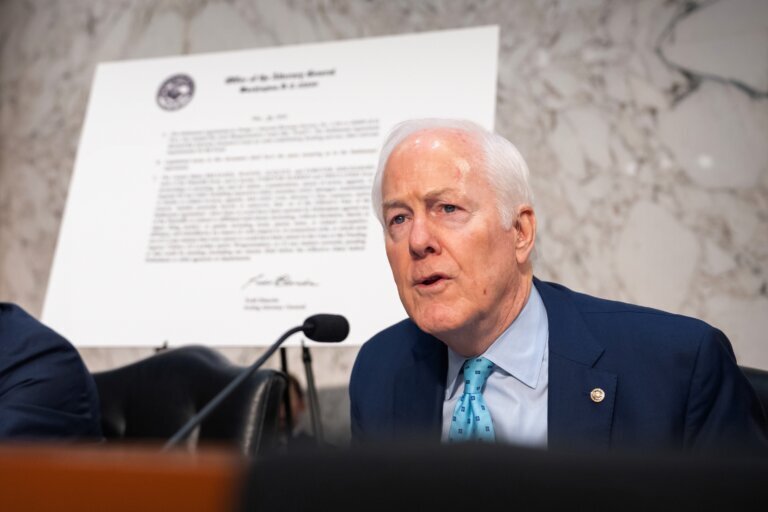
“Money should not be an object,” said Sen. Richard Shelby, the Alabama Republican who chairs the Senate Appropriations Committee. “We should be trying to contain and eradicate as much as we can. … Make sure it does not spread in the U.S., but help our friends all over the world.”
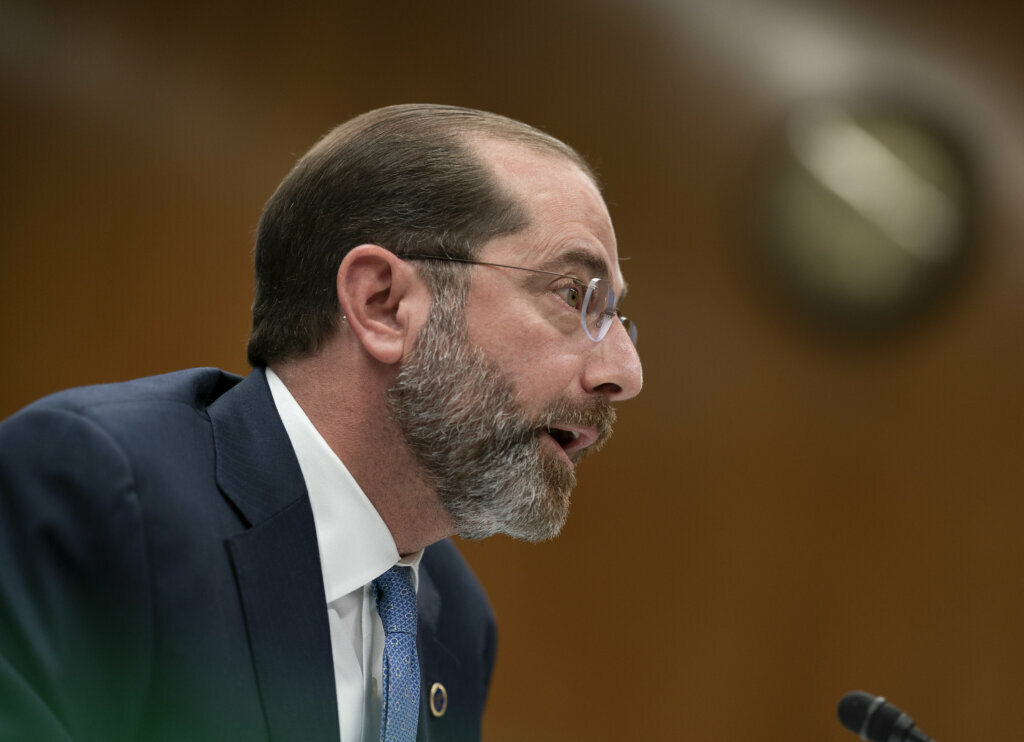
Senators grilled Health and Human Services Secretary Alex Azar during what was originally scheduled as a budget hearing before a Senate appropriations subcommittee.
“I’m deeply concerned that we are way behind the eight ball on this,” said Sen. Patty Murray, a Democrat from Washington state.
Azar testified that the administration is doing all it can to be prepared and said that it will be ready to take additional steps, if necessary.
“We have enacted the most aggressive containment measures in the history of our country in terms of our borders,” Azar said. “I’ve used the first federal quarantine authority in 50 years of an HHS secretary.”
The number of confirmed coronavirus cases in the United States was originally 14 people, who were linked to travel to China. No more people have contracted the coronavirus in the U.S. in recent weeks.
But Azar said the official number of cases in the U.S. now totals 57. That includes 40 passengers from the cruise ship Diamond Princess who were returned to the United States from Japan, as well as three Americans repatriated from Wuhan, where the outbreak began in China.
Locally, health officials said there have been no confirmed cases in D.C., Maryland or Virginia. Maryland has tested two people for the virus, but the results were both negative, according to the state’s Health Department. Five suspected cases in D.C. also came back negative. One person in southwest Virginia is awaiting test results; six other prospective patients in the commonwealth have been cleared.
Still, lawmakers and health officials said they realize that there will probably be more cases in the U.S. as the virus spreads globally.
“We are working closely with state, local and private-sector partners to prepare for mitigating the virus’s potential spread in the United States, as we will most likely see more cases here,” Azar said.