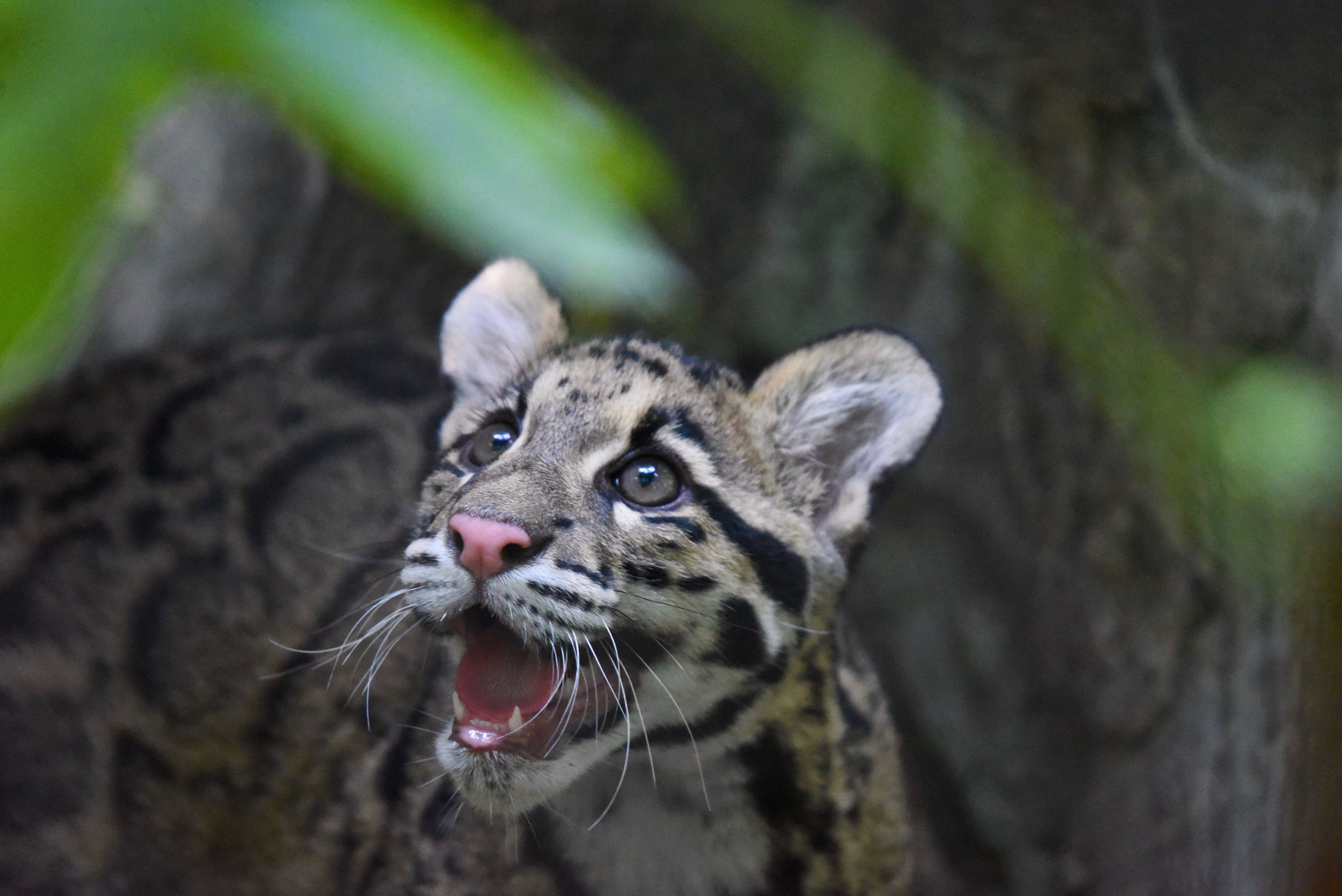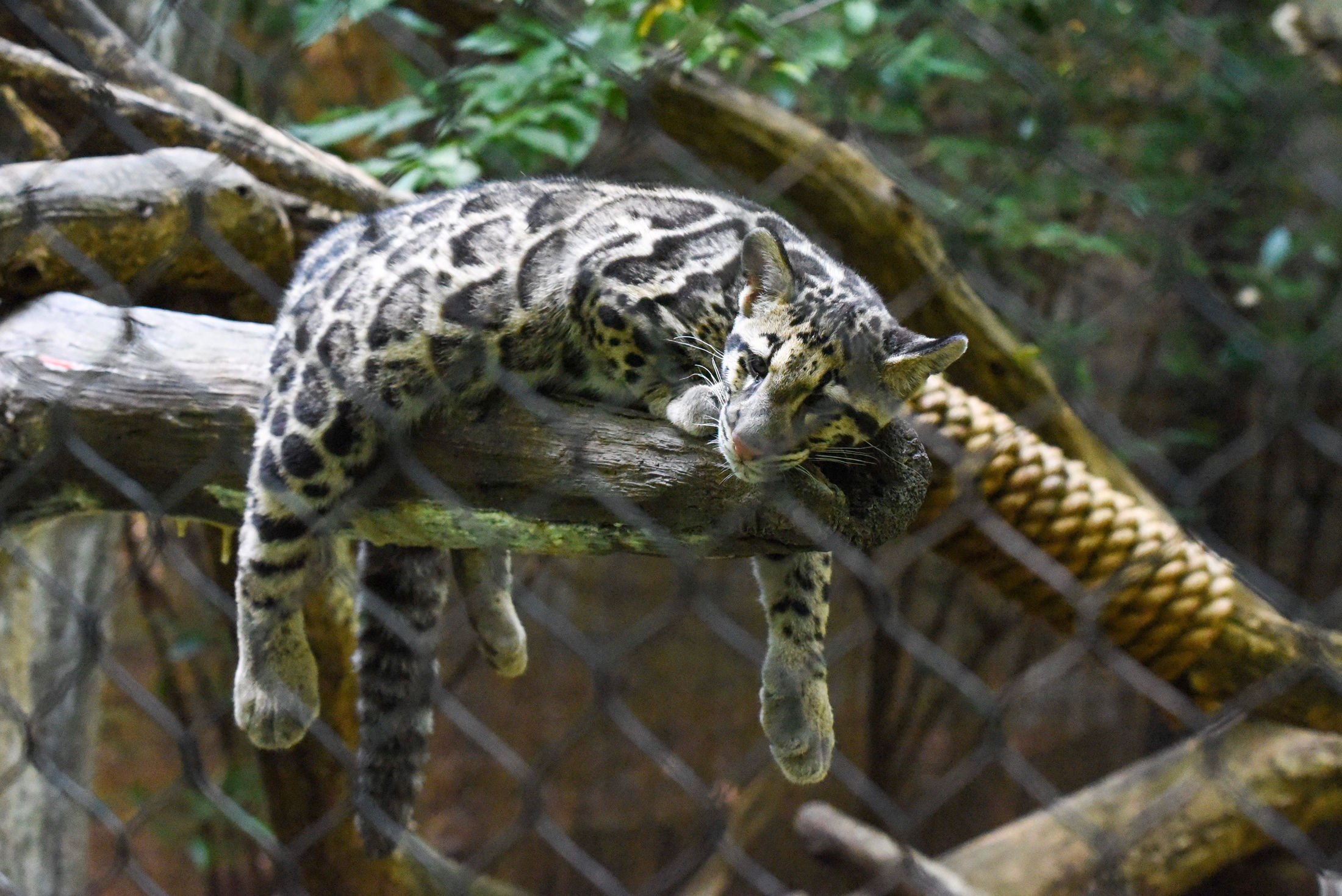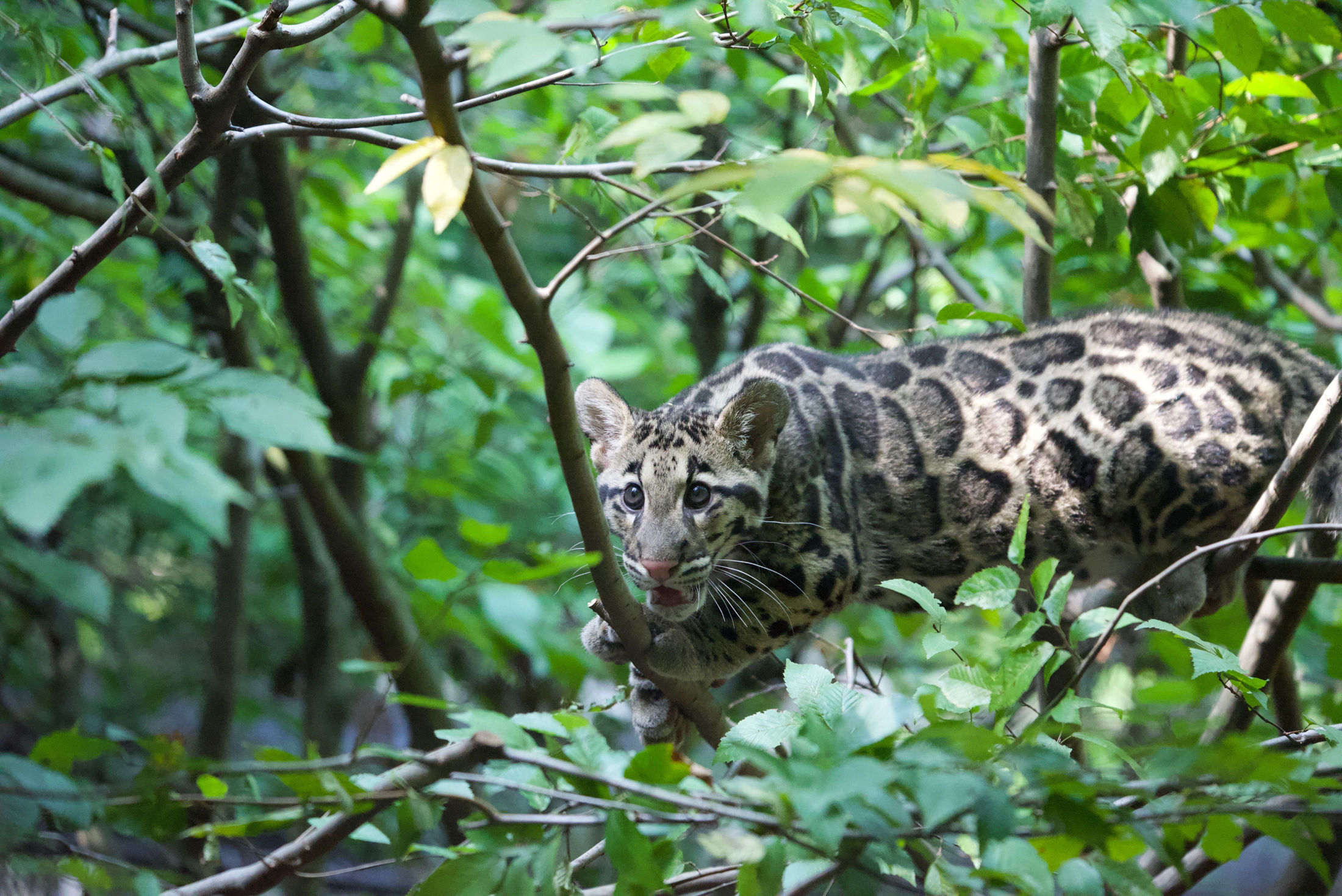
It’s tough to spot clouded leopards in the wild: The forest-dwelling cats of Southeast Asia favor areas of dense growth and have proved elusive as subjects of study.
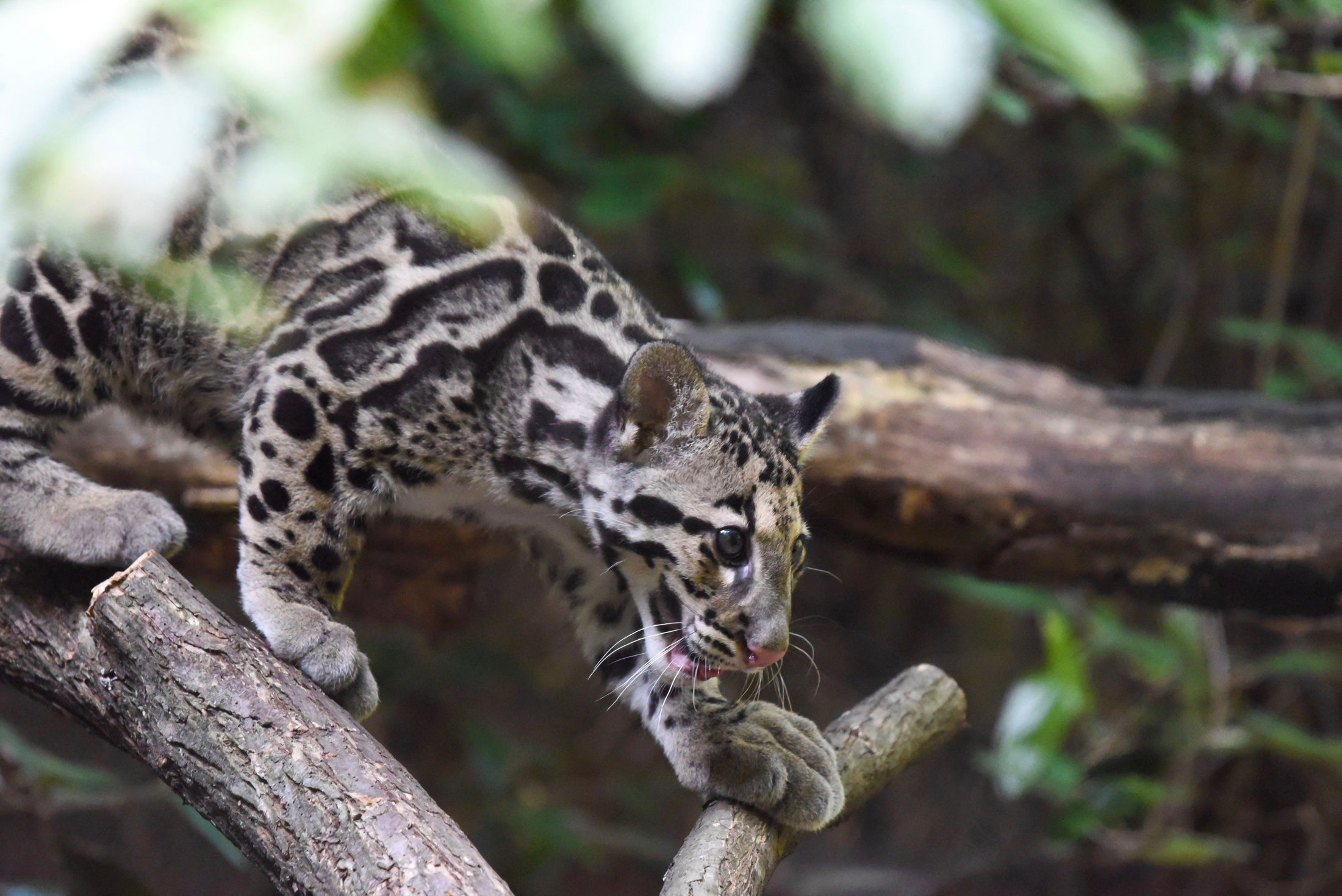
But starting Wednesday, at the Smithsonian’s National Zoo in D.C., visitors will be just feet away from two clouded leopard cubs as the pair learns to navigate their habitat along the zoo’s Asia Trail.
Zoo visitors will only be able to see the two cubs, Jilian and Paitoon, for a limited time in the mornings until the two cubs are used to having visitors in larger numbers.
The zoo has had adult clouded leopards, but this is the first time cubs have been housed at the National Zoo. Jilian was born in March; Paitoon, in April.
The two are not from the same parents, but won’t be part of the zoo’s breeding program. Instead, said Jilian Fazio, a research fellow at the National Zoo, they’ll be “ambassadors” for their species — a way to introduce the public to a rare cat from Southeast Asia that’s under threat from habitat loss and poaching.
Fazio, who also serves as the clouded leopard species survival program coordinator, explained that the cub Jilian was indeed named after her — a fact she finds humbling and a bit embarrassing.
“They were named by some colleagues at the Nashville Zoo,” she added.
Though cubs Jilian and Paitoon will not be used for breeding, they have been paired from a young age to prevent problems that sometimes crop up among adult clouded leopards.
Fazio said males can become aggressive toward females, even attacking and killing them. Because adult males will typically grow to twice the size of females — weighing in at 50 pounds compared to the female’s 25 pounds — it’s been found pairing them as cubs can cut down on socialization problems.
On the day the cubs were introduced to the media, two keepers were inside the enclosure with them. At this stage, the cats each weigh about 15 pounds, and they are so used to human contact that when they want reassurance, it’s not unusual for them to approach a keeper for a pat.
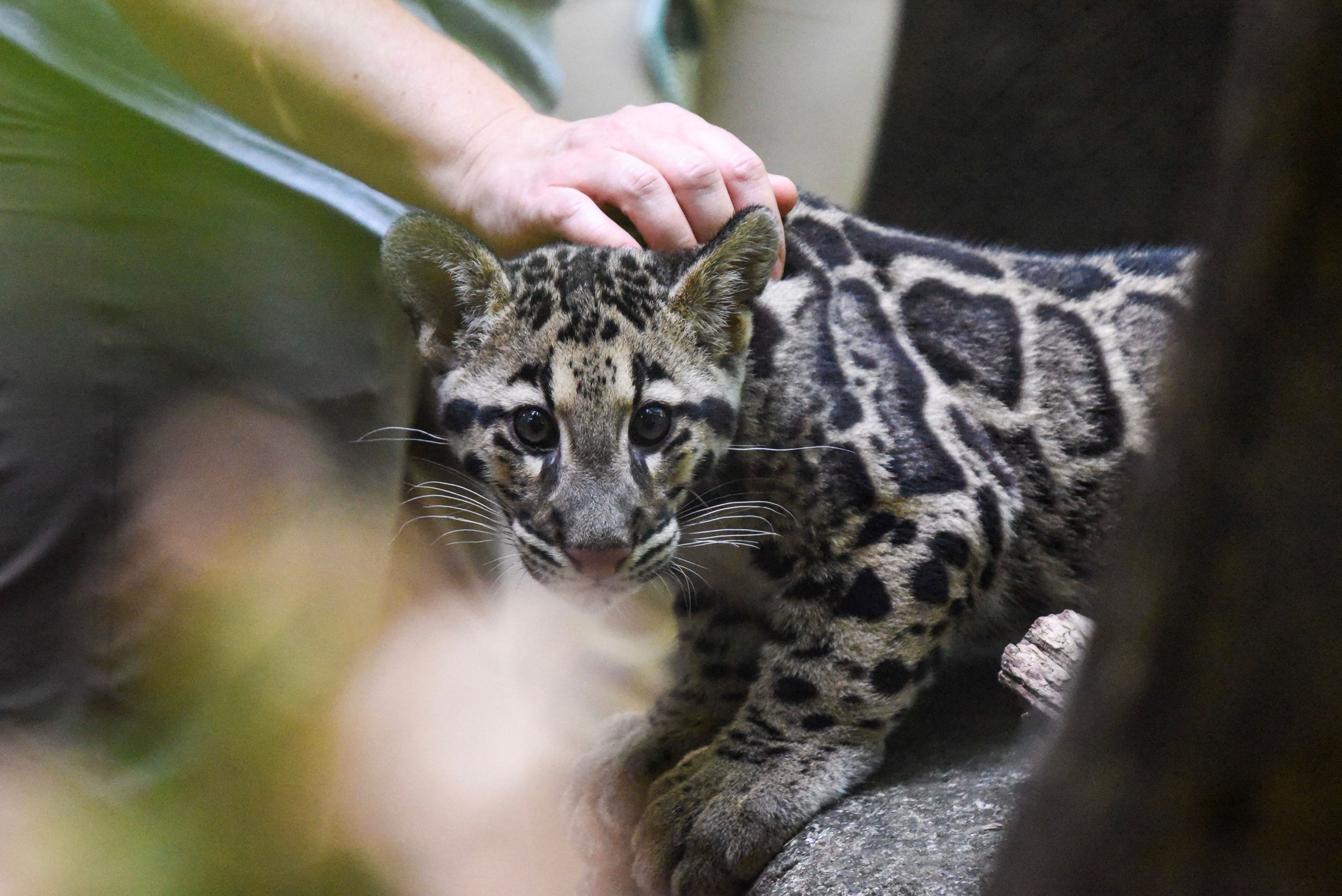
“We’ve looked at cortisol levels — stress levels — in the cats, and we’ve found that the keeper relationship is really important. So having that close relationship from the beginning of their life is helpful for them,” Fazio said.
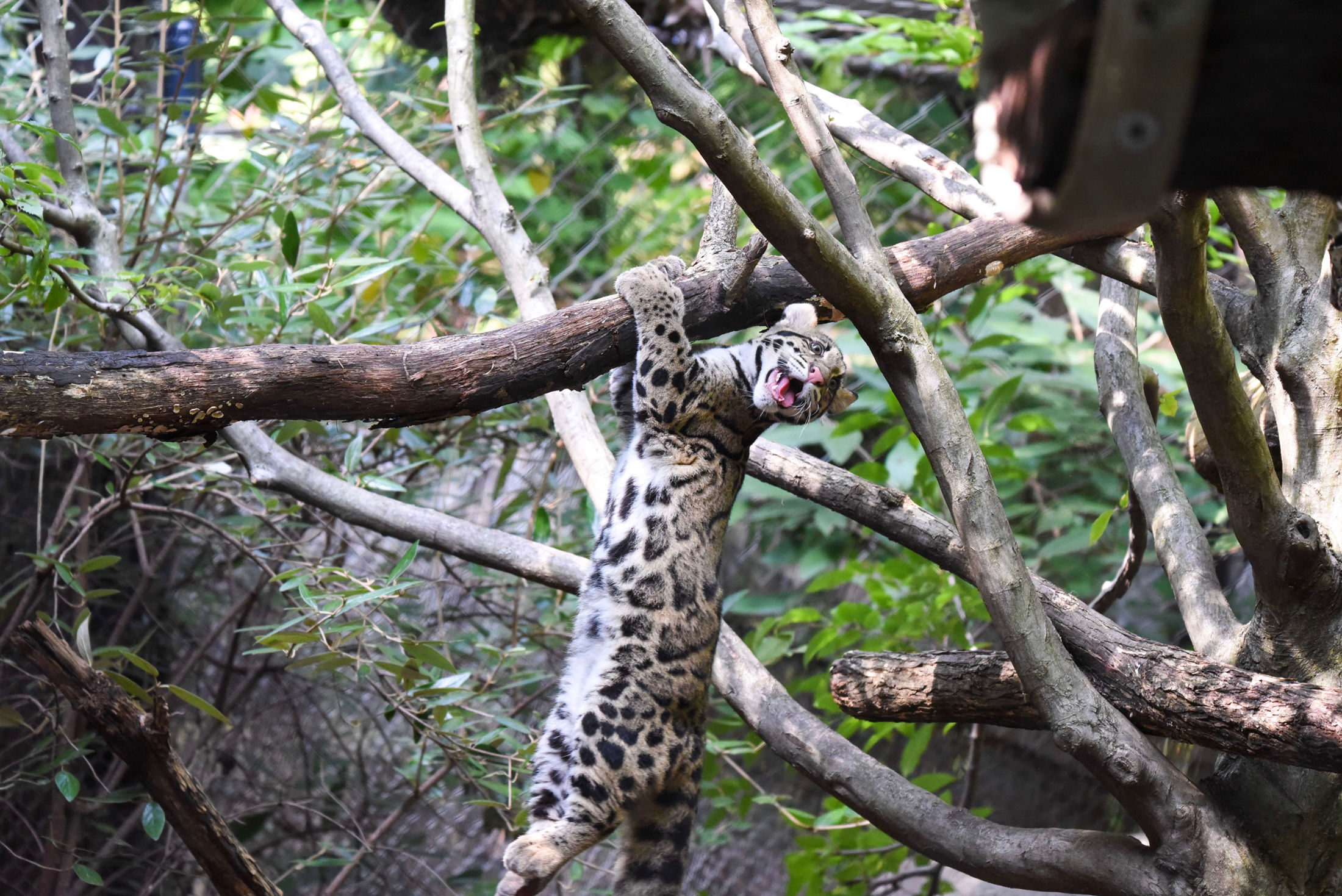
Clouded leopards are forest-dwellers who hunt for birds and monkeys in the trees. As a result, they climb and pounce up on tree limbs, and on Tuesday morning, they were practicing their climbing skills, testing just how far out on a limb they could go to get closer to a bird just outside their enclosure.
When either cat ventured too far out on a limb that clearly would not hold their weight, they were often rewarded with praise from their keepers. “Good decision, Jilian,” one called out after the female cub struggled to regain her balance and found a sturdier branch.
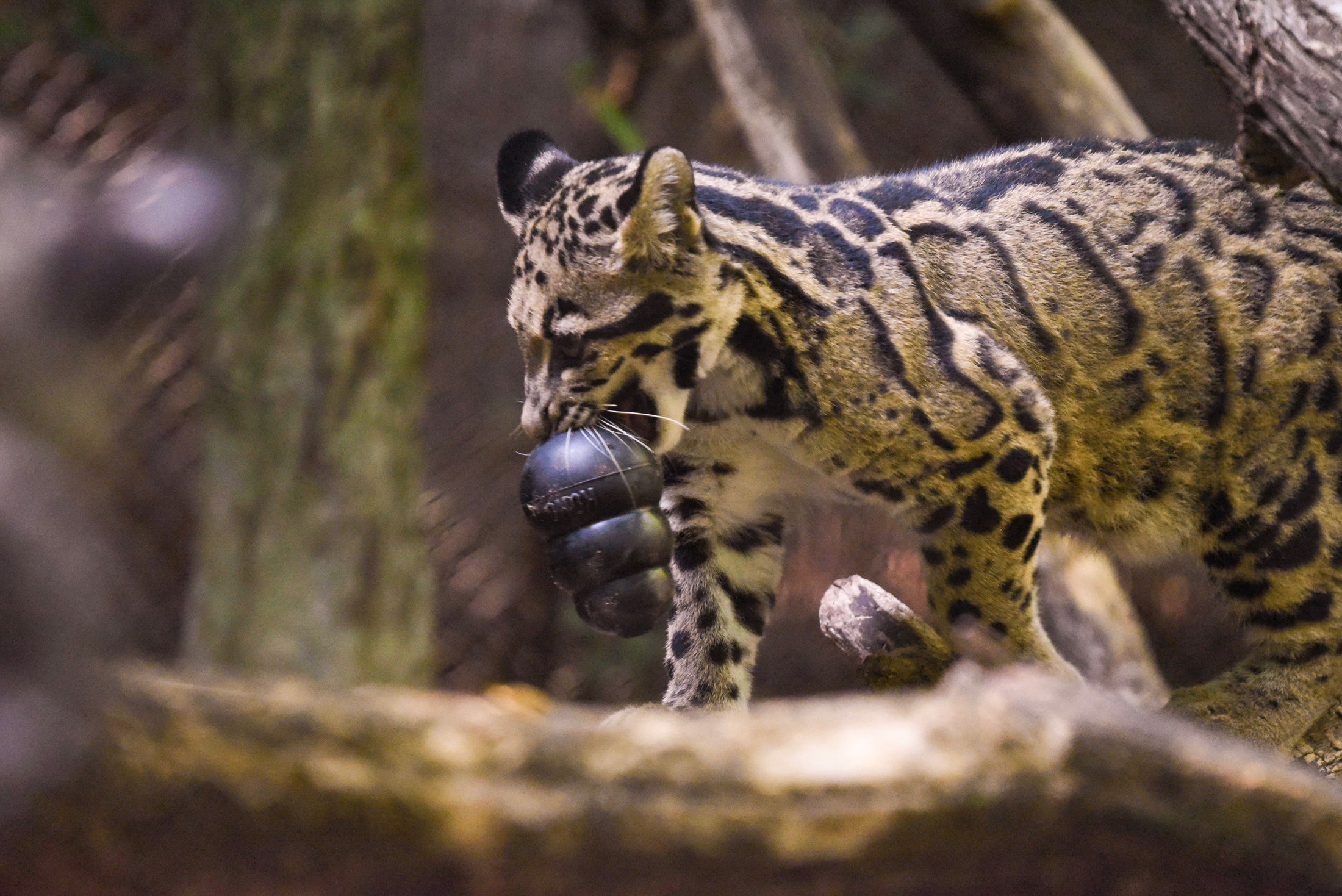
Fazio said it was exciting to be able to introduce the public to one of the smaller species of big cats. “They need a lot of height, so this exhibit is really good for clouded leopards because it’s nice and high, and they can get up in the trees — which, hopefully all our guests will see them running around like little cub maniacs in the trees and doing all the things that clouded leopards do.”
The cats are about 2 to 3 feet long, with tails as long as their bodies. Those tails are thought to help them balance as they negotiate branches in the treetops. They also have rotating ankles on their rear legs, a feature that lets them climb down a tree headfirst like a squirrel.
Fazio said she is hopeful that visitors will come away with an appreciation of the role that conservation — and their own consumer choices — can have on clouded leopards. The threats include the clear-cutting of forests for palm oil plantations.
“They can’t live without their primary forests,” said Fazio, who added that tigers, orangutans and other species are also dependent on those ecosystems.
The National Zoo is part of an international consortium whose members work “to increase the genetic diversity of the species living in zoos in the U.S.,” and to study the population of clouded leopards in Thailand’s Khao Kheow Zoo.