WASHINGTON — Is the presidency too much for one person to handle?
John Dickerson, co-host of “CBS This Morning,” talked to WTOP Tuesday about his cover story in The Atlantic titled, “The Hardest Job in the World,” in which he discusses how the presidency has grown beyond the job George Washington would recognize.
“In the post-9/11 years, the number of threats facing the president and facing the United States has grown, and the president’s need to be on top of it has grown,” Dickerson said.
Another change: Congress’s role as an “equal partner in governing” has shrunk, he said.
And finally, with the rise of technology, television and media, the president’s role was changed by the perception of their accessibility to the people.
“That, of course, was seen as a great reform, as presidents grew closer to the people,” Dickerson said. “But it now has created a situation in which our campaigns are driven by the show and not so much an evaluation if the people running have the attributes for the job they’re out there trying to get.”
All these changes in the presidency result in more executive orders after candidates “promise the moon” during election season for the show of it. These orders end up being “imprecise, limited, and then can be undone by their successors,” Dickerson said.
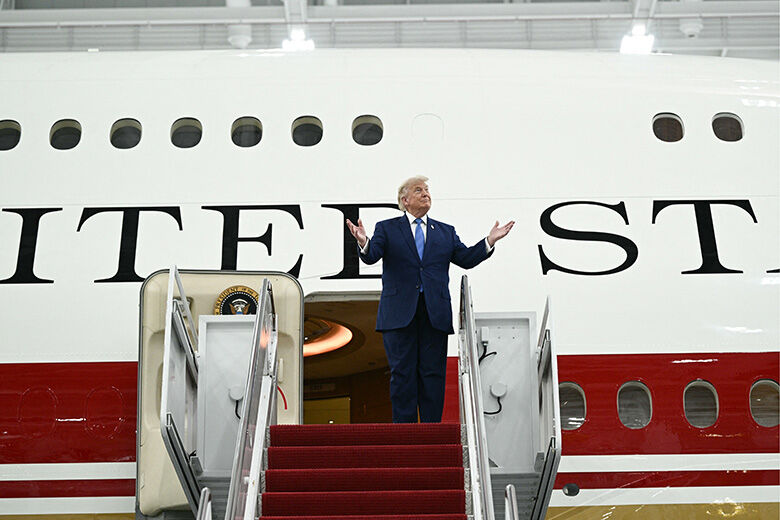
For example, “Then-candidate Trump said, ‘I alone can fix it,’ as if a president alone were the only one to fix America’s problems,” Dickerson said.
In short, the president’s role now is more focused on communicating and saving face, rather than facilitating real, long-lasting change with the help of all branches of government.
“Presidents have to show they’re talking, if nothing, because they can’t show they’re doing,” Dickerson said.
EDITOR’S NOTE: This article has been updated to reflect the correct publication site.