
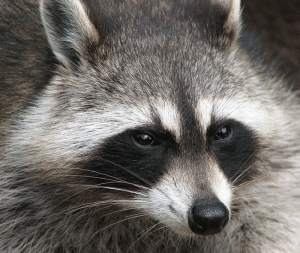
WASHINGTON — As the weather warms up, people may be seeing much more wildlife, like raccoons, in their backyards. So what do you do if you see one of these creatures in distress?
There is always a potential for rabies among wild animals, so do not try to move a raccoon unless it’s absolutely necessary. In that case, use gloves and place the raccoon in a ventilated cardboard box lined with an old t-shirt until a professional arrives.
The Wildlife Rescue League, based in Northern Virginia, also discourages feeding or giving wild animals water.
Animals that are bleeding, cold, thin or unable to move, may need help from a licensed wildlife rehabilitator. Find a local professional near you.
Baby raccoons that are warm and not hurt may just need some time to reunite with their mother. Place a laundry basket over the raccoon and wait for a few hours to see if the mother returns.
